Why two identical numbers can give two different fabrics
Short answer: A number describes only one property. Two fabrics can reach the same weight, the same stretch or the same thread count and still behave completely differently in use. Numbers are for comparing, not a verdict on how a fabric feels.
Numbers measure one thing at a time
Weight says something about the amount of material, stretch about elasticity and density about how open the fabric is. None of them describes the whole. It is a little like judging a car by its weight alone. The number is correct but tells only a small part of how the fabric will feel in your clothes.
Construction decides the rest
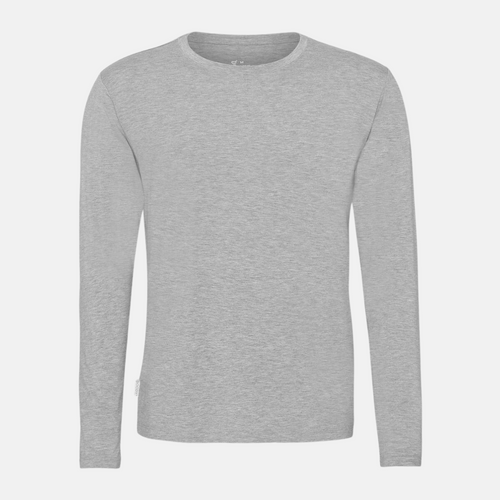
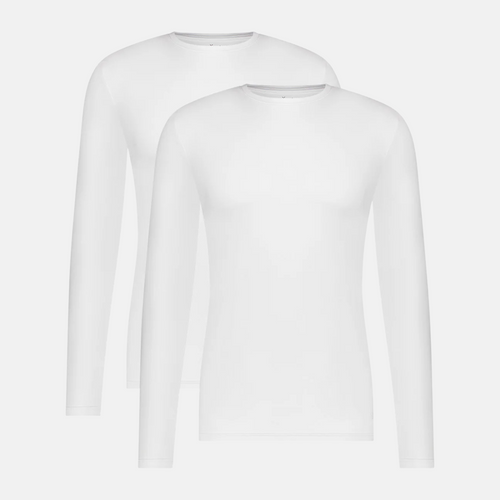
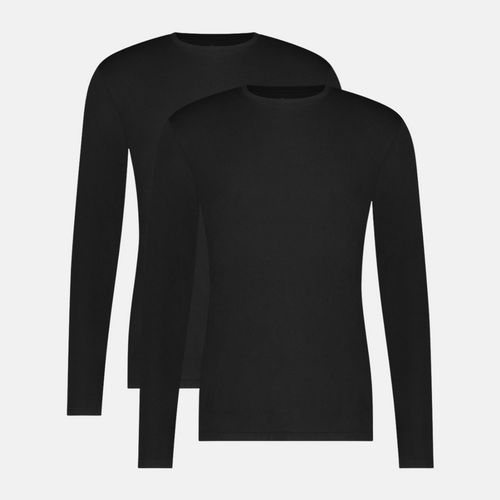
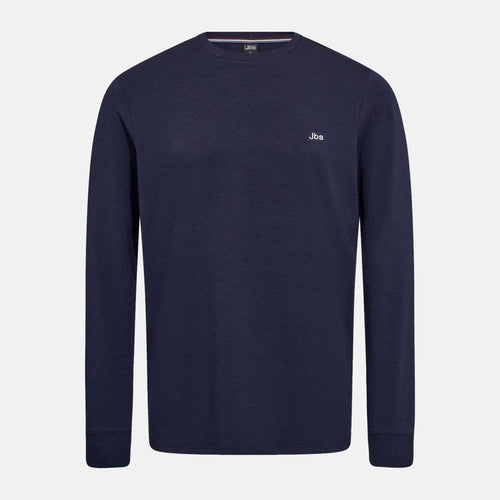
Yarn twist, weave or knit and finishing can change how a fabric feels without a single number moving. A fabric can be smooth or matte, firm or soft, depending on how the threads are laid and treated. You notice this only when you put it on. See the bamboo long sleeve T-shirt for men, where construction shapes the feel.
Same weight, different feel
Two fabrics can weigh the same per square metre and still be very different. One may be dense and firm, the other airy and soft, because the yarn is spun or knitted differently. Weight says how much material there is, not how it is put together, and the assembly decides the experience.
Same stretch, different fit
Stretch is often given as a percentage, but that does not say how fast the fabric returns to shape or how much force is needed to pull it. Two fabrics can stretch equally and still sit differently on the body. Fit depends on stretch, recovery and how the garment is cut and sewn.
Thread count is not the whole truth
Thread count is mostly used for woven fabrics such as sheets and says how densely they are woven. But a high count with fine yarn can feel different from a lower count with thicker yarn. Fibre type and weave also play a part. See bamboo sheets, where density and yarn both shape the feel.
Fibres make a difference
The same number can hide different fibres. Viscose, cotton and polyester behave differently even if weight and density match. They take up moisture differently, drape differently and feel different on the skin. A number without a fibre type is therefore only half the information, and you should look at both before comparing.
Finishing and washing
A fabric can become softer, denser or more creased after the first washes without the details on the label changing. Both the factory finishing and your own washing have an effect. See the bamboo inner shorts, where fit and softness after washing are part of the experience. The number in the shop is a starting point, not a promise for all time.
Using numbers wisely
Use them to compare fabrics of the same type, not across types. Compare weight with weight and density with density when fibres and construction are similar. Otherwise the numbers lead you in the wrong direction. Numbers are useful as a frame but become meaningful only when combined with a description of how the fabric feels.
Combine numbers with description
Read how the fabric is described in words and look for terms like soft, airy, firm or dense. Compare with something you know and already use. If you know and like a particular T-shirt, it is your best yardstick. The numbers then show how close the new fabric is to something you already like.
Frequently asked questions
Which number says the most
Fabric weight, if you may only choose one, and only within the same weave or knit type. Weight gives a rough picture of the amount of material, but it does not say how the fabric is spun, knitted or finished.
Why do shops give numbers then
Because they give a frame and because some customers ask for them. The numbers make it possible to compare fabrics of the same type, but they are only one part of the picture and should be read with the description.
What should I do instead
Read the description of how the fabric feels and compare with something you know. A garment you already wear and like is often the best yardstick against which to hold the new one.
You can find the full range at Bamboo-Clothing.com.