What body heat does to a layer of clothing
Short answer: The body gives off heat all the time, and clothing slows it on the way out. After a few minutes the fabric settles into a balance between the heat you give off and the heat that escapes. That is why a garment feels slightly cool at first and then comfortable, if it suits the situation.
The heat comes from inside
An adult at rest gives off roughly one hundred watts of heat. That is like an old-fashioned light bulb, and all of it has to get out through clothing and skin. The body holds its temperature by producing as much heat as it loses, and clothing is part of that bookkeeping, which runs around the clock.
Clothing works like a brake
Clothing does not create heat, but it makes it harder for heat to escape. A layer of fabric holds air, and air conducts heat poorly. The more air trapped in and under the fabric, the more slowly heat leaves the body, and the warmer the garment feels to wear.
The fabric gets a temperature gradient
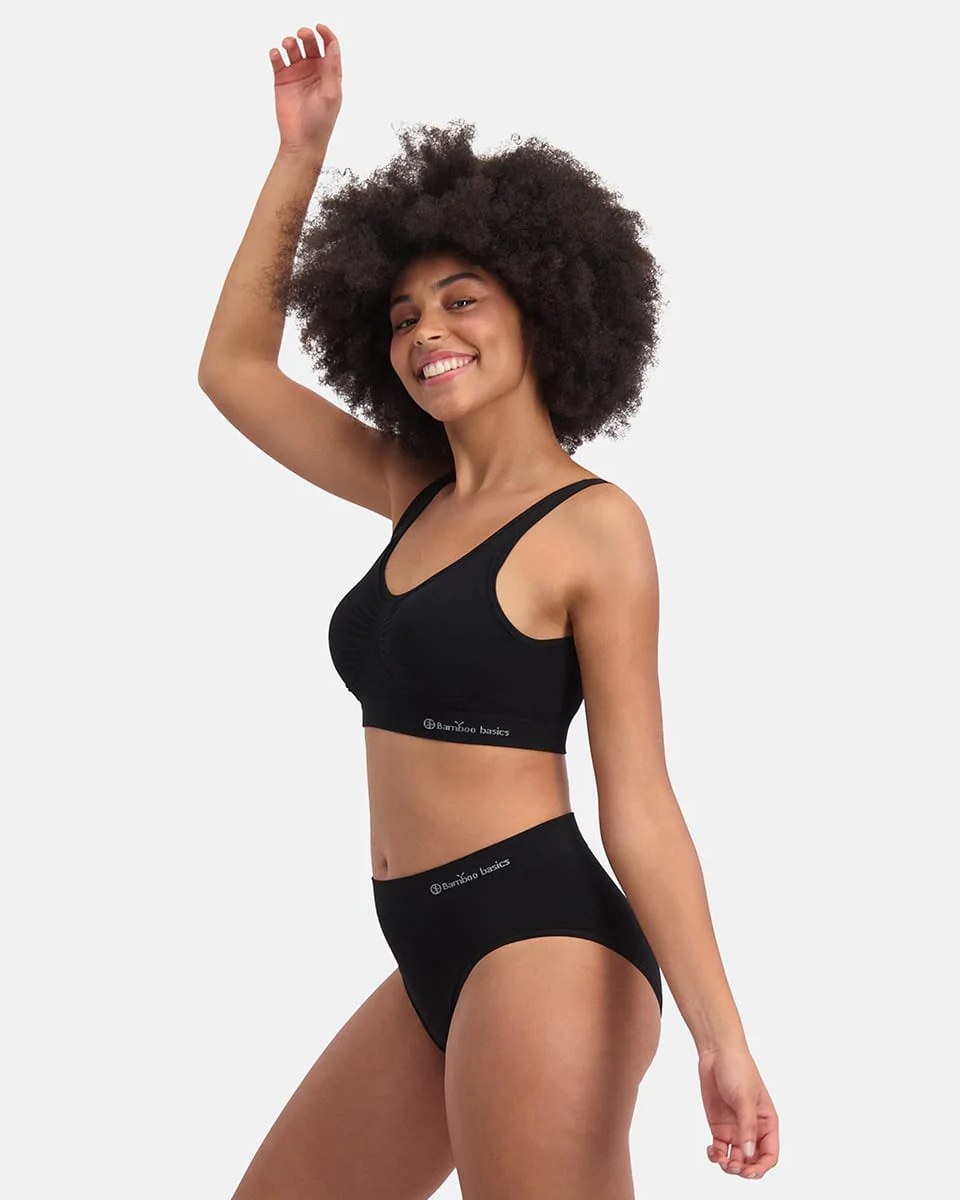
The inside of the garment becomes almost as warm as the skin, and the outside almost as cold as the room. The difference between the two sides is the insulation itself. See for example bamboo night pants for women, where the fabric sits close to the skin and forms an even layer of warmth around the legs.
Balance takes a few minutes
Right after you put clothes on, the fabric warms up, and you feel it as a transition. Once the temperature in the fabric settles, as much heat flows out as the body gives off. That is balance, and the feeling stays steady until something changes, such as your activity.
Why everything changes when you move
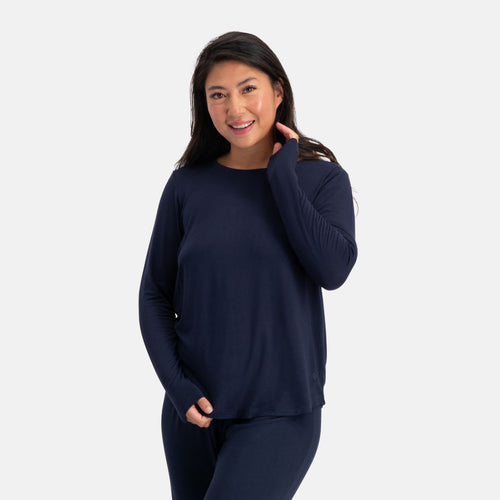
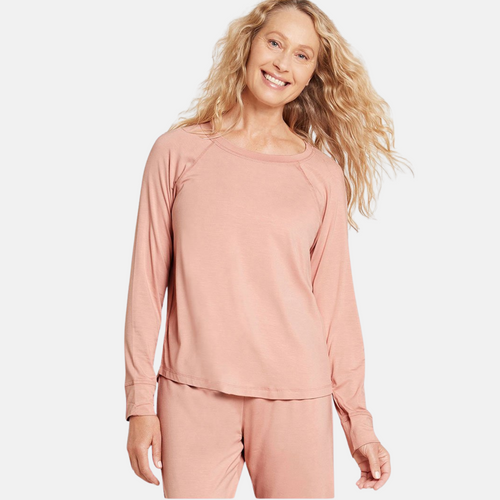
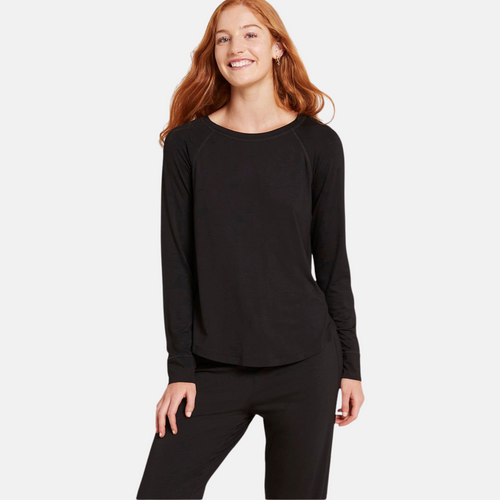
Activity can multiply heat production by ten. The same clothes that suited you at rest become too warm within minutes. See bamboo pajama shirts for women and pajamas for women if you want clothes that are comfortable at rest and while you potter about at home.
Room temperature sets the frame
The colder the room, the more heat the body loses through the same fabric. That is why a jumper can be right in the living room and too thin on a cold balcony. Clothing does not change the room temperature, only how fast your body feels it, which is why you often adjust your layers.
How you recognise balance
In balance, clothing feels neither warm nor cool, and you do not think about it. If you turn clammy, the clothing loses its ability to slow heat, and if you turn cold, you give off more than the clothing can hold back. Both are signs you should change layers.
Practical tips on layers
Choose a thin layer next to the skin and an outer layer you can take off when heat production rises. That lets you adjust quickly without changing everything. Watch for the first signs of sweat and remove a layer before the clothes get damp, because moisture increases heat loss.
Frequently asked questions
How quickly does balance set in?
Typically within five to ten minutes of putting the garment on. Body and fabric settle together on a steady level, and after that the temperature only changes when you do something new or move to another room.
Why do you get cold when you stop?
Because heat production falls while the clothes are still damp and carrying heat away. The body cannot keep up, so you feel cold until you put on a dry layer or your activity starts again.
How much heat does a person give off while working?
From two to over ten times the resting level, depending on effort. That wide range explains why clothes that suit you at rest often get too warm in motion, and why you should be able to take layers off.
You can find the full range at Bamboo-Clothing.com.