What fabric weight tells you about a garment
Short answer: Fabric weight is measured in grams per square metre. Under 150 is thin summer fabric, 150 to 200 is ordinary t-shirt fabric, and over 250 is sweat and homewear. The weight mostly tells you about warmth, not quality.
Thin is not bad
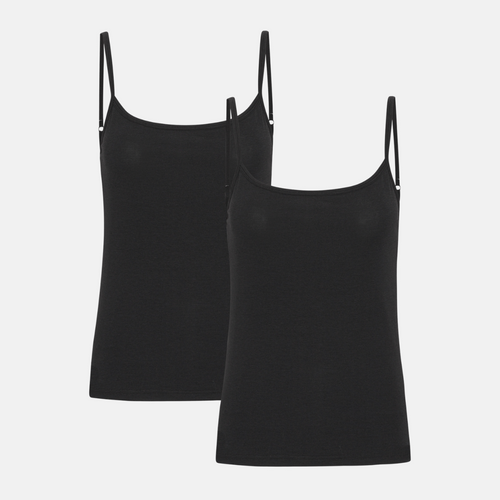
A thin fabric made from fine yarn can easily be stronger and more durable than a thick fabric made from coarse yarn, because strength sits in yarn quality, not only in the amount of material. See bamboo t shirt for women. Weight therefore mostly tells you how warm or cool a fabric feels, not directly how well it is made.
Choose weight by purpose
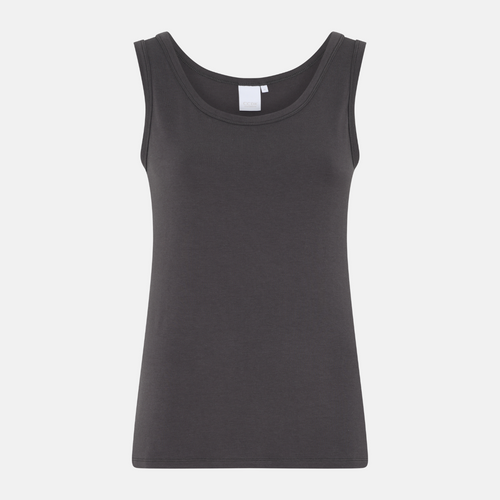
For summer and underwear, light fabric is the right choice, because it lets air reach the skin and does not feel heavy in warm weather. For homewear and autumn, heavier fabric gives more warmth and a more solid feel against the body. See bamboo sweatshirt for women. Choosing by season rather than only by brand often gives the best result day to day.
Sheerness relates to weight
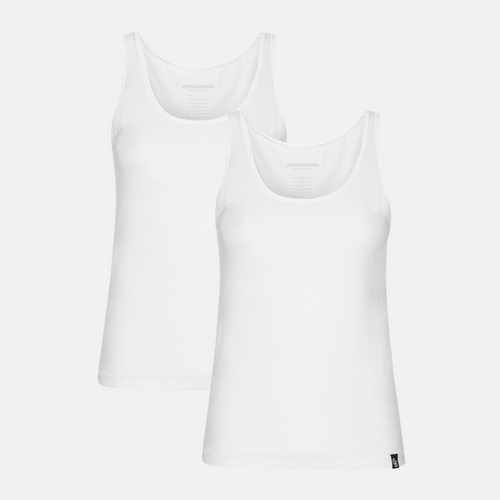
Under about 140 grams, light colours often turn sheer, especially white and pastel shades, simply because there is less material for light to pass through. See bamboo tops for women. Choose a darker colour or a higher weight if you want to avoid needing matching underwear as a counterweight to the sheerness.
Weight also affects the drape
A light fabric drapes softly and follows the body's movement, while a heavier fabric holds more shape and hangs more structured. That difference is clearest in dresses and loose tops, where fabric weight decides whether the silhouette looks flowing or more defined around the body.
How to read a fabric weight figure
The figure in grams per square metre, often written as gsm, usually sits in the product description and can be used to compare items across brands without needing to feel the fabric physically. It is an objective number, where name and price are not a reliable guide to how a fabric actually feels and behaves.
Washing can change the felt weight
A fabric can feel heavier after washing if it shrinks slightly and the fibres pack closer together, even though the amount of material itself stays the same. Following the care label from the start avoids most surprises, and the fabric keeps the weight and shape it was made for by the manufacturer.
Blended fabrics can shift weight between batches
If the fabric is a blend of several fibres, weight can vary slightly between production batches, even within the same model. That is normally within a few grams and rarely something you notice in practice, but it explains why two items of the same product can feel slightly different.
Frequently asked questions
What does grams per square metre mean?
It is the fabric's weight per square metre and tells you how thick and warm the fabric is, without directly saying anything about yarn quality.
Is heavier fabric better quality?
No. Yarn quality and knit matter more than weight alone, and a thin fabric can easily last longer than a thick one made from poor yarn.
Which weight works best for t-shirts?
Between 150 and 200 grams works for most of the year, while lighter fabric suits warm days and closer contact with the skin better.
You can find the full range at Bamboo-Clothing.com.