What GOTS covers
Short answer: GOTS is a label for textiles made of organic natural fibres. It sets requirements for the fibre, for chemicals in production and for working conditions. Bamboo viscose rarely carries GOTS, because viscose is a manufactured fibre and not a natural fibre, so other labels are the ones to look for.
What GOTS is
GOTS is a label for textiles made of organic natural fibres. It looks at the whole route from fibre to finished product and not just one step. That makes it broader in scope than labels that only test the finished product, but it also only fits certain kinds of fibre.
What is covered
The fibre must be grown organically, and there are limits on which chemicals may be used throughout processing. There are also requirements for wastewater and for the people who work in the factories. The requirements therefore cover the raw material, the process and working conditions, not only the fabric in the finished garment.
Why viscose rarely carries GOTS
GOTS applies to natural fibres, and viscose is a manufactured fibre. Even when the raw material is a plant, the fibre itself is made chemically, which puts it outside what the label was built for. That says nothing about viscose being poor, only that it belongs to a different group from the fibres GOTS is about.
Bamboo as a natural fibre
In rare cases bamboo exists as a natural fibre, where the fibres are not dissolved and formed anew. GOTS can in principle apply there. Bamboo clothing is usually made of viscose, though, so you seldom see the label on the products you typically find.
The two levels
GOTS has two levels. One requires at least 95 percent organic fibre, the other at least 70 percent. The difference shows how large a share of the product was grown organically. If you see the label on a product, it is worth reading which level applies, because the two do not mean the same.
Is GOTS better than OEKO-TEX
The two labels cover different things and cannot be set against each other. GOTS looks at organic natural fibres, chemicals in the process and working conditions. OEKO-TEX Standard 100 looks at the substances in the finished product. A garment can carry one, the other, both or neither, and that alone does not say which is better.
What to look for instead
If you want a well documented bamboo product, look for OEKO-TEX on the finished product and FSC on the raw material. Each covers a different part of the chain. See OEKO-TEX certified products and FSC certified products and compare what the descriptions say.
For everyday clothes such as sweatwear
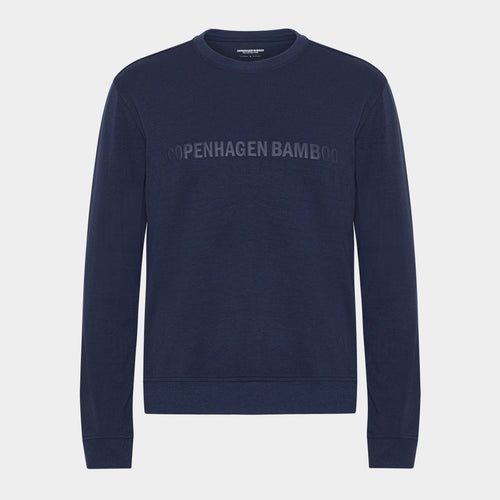
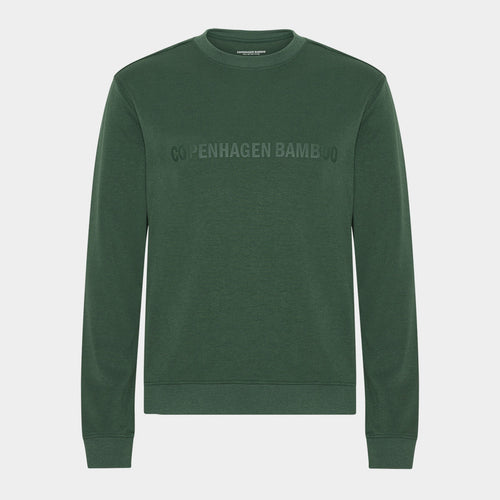
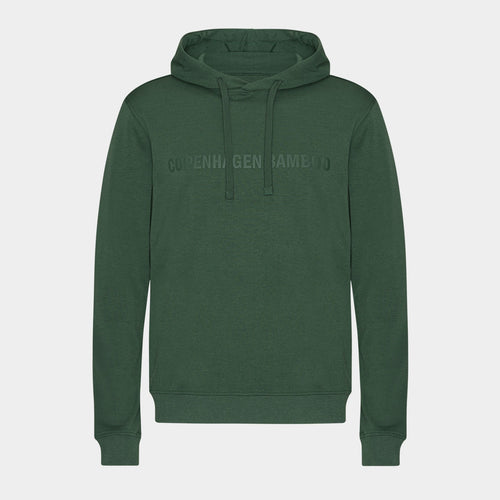
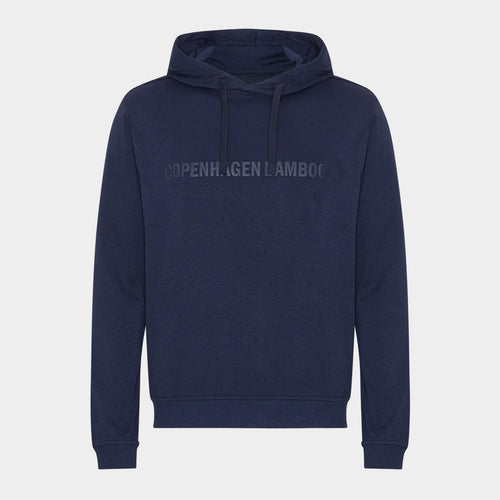
For everyday clothing such as sweatshirts and joggers, the material name, the fit and the care label matter most for how the clothes feel and last. Labels are a supplement. If you want soft clothing for daily life, look at bamboo sweatwear and read the material details and any labels listed.
How to read the labels
See each label as an answer to its own question. GOTS answers whether the fibre is organic and how the process is controlled. OEKO-TEX answers what remains in the finished textile. FSC answers where the raw material comes from. Choose by what you want to know, and ask the shop if a detail is missing.
Frequently asked questions
Is GOTS better than OEKO-TEX
They cover different things and cannot be set against each other. GOTS concerns organic natural fibres and the process, OEKO-TEX the substances in the finished product, so each answers a different question.
Does GOTS exist on bamboo
On bamboo as a natural fibre in rare cases, not on viscose. Viscose is a manufactured fibre and GOTS applies to natural fibres, so bamboo viscose usually carries other labels.
What are the two GOTS levels
One level requires at least 95 percent organic fibre, the other at least 70 percent. Check which level a product has, because the two do not mean the same.
You can find the full range at Bamboo-Clothing.com.