What happens to goods that do not sell
Short answer: They are first put on offer, then moved to an outlet, and finally sold on in bulk, given away or sent for recycling. The order is about getting as much value out as possible. The aim is that the goods do not simply sit there.
Offers are the first step
A reduced price finds the customers who would have bought the item for a little less. It is the most common way of getting an item moving, and it often happens at the end of a season. The shop loses a little on each piece, but gains as the stock clears. See offers.
Outlet and bulk sales
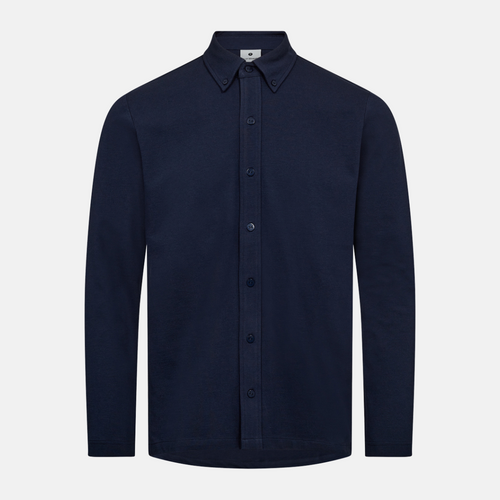
If the item is still there, it moves to an outlet or is sold in lots to another retailer. It then gets a new chance with new customers, often at a lower price. The shop earns less per piece, but does not have money tied up in stock that does not move. See bamboo shirt for men.
Recycling is the last exit
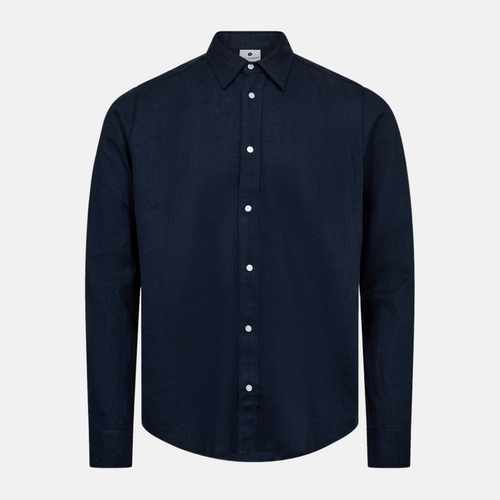
If the item cannot be sold, the fabric may go for recycling rather than sit in stock. Some fibres can be reused in new material, others become filling or cleaning cloths. That gives the material a final purpose when it can no longer serve as clothing. See bamboo clothing for men.
Why not cut the price at once
An early cut costs on every piece that would have sold at full price. That is why the shop often waits until sales stall before lowering the price. If it is done too late, you risk holding an item that nobody needs any more.
How far the price is cut
That depends on the item, the season and how much is left. A small cut may be enough to move the last pieces. If the stock is large, a bigger cut may be needed. The shop weighs the loss from cutting the price against the loss from keeping the item.
Giving away is an option too
Some shops give goods to charity rather than throwing them out. That requires the item to be in good condition and a recipient who can use it. It is not always possible, but it is a reasonable exit for goods that cannot otherwise be sold.
Destruction is expensive
Some companies have destroyed unused goods, but it is both expensive and bad for the reputation. It costs to transport, handle and hand over the goods, and customers do not like the sight of it. So most try to find another route before it comes to that.
Order the right amounts from the start
The best solution is to order the right quantities from the start, so there is no remainder to clear. That takes good sales figures and a careful buyer. But however well you plan, there will be some left, and it has to be handled sensibly.
What you can do as a customer
Buy what you need and use it many times. A garment worn for a long time weighs less in the accounts than one left in the wardrobe. Look at offers if you are flexible on colour and model, but do not buy only because the price is low.
Frequently asked questions
Is clothing destroyed
Some companies have done it, but it is both expensive and bad for the reputation. Most therefore try first to sell, give away or send the goods for recycling.
Why does the shop not cut the price at once
Because an early cut costs on every piece that would have sold at full price. The shop therefore often waits until sales stall before lowering the price.
What is best for a shop
To order the right quantities from the start, so there is no remainder to clear. That takes good sales figures and careful planning, and there will still always be some left.
You can find the full range at Bamboo-Clothing.com.