What happens to moisture under a jacket
Short answer: A tight jacket stops the air from changing. Sweat from the body cannot escape, collects in the layers underneath, and they become damp even when the weather is dry. This applies even when you are not visibly sweating.
Vapour needs an exit
The body gives off moisture all the time, even when you are not visibly sweating. It leaves as vapour from the skin and as sweat when you get warm. If the outer layer is tight, the vapour cannot escape, so it condenses on the inside of the jacket and in the nearest layers, without you doing anything wrong.
Why the base layer feels wet
Moisture travels outward until it meets the jacket, and then it stays in the fabric closest to it. A good base layer can move moisture away from the skin, but it cannot remove it if the outer layer lets nothing through. The result feels wet, even though there are no drops of sweat on the skin.
Why you get cold when you stop
As long as you move, the body keeps the heat up. When you stop, heat production drops, and the moisture in the layers begins to evaporate and takes heat with it. That is the familiar chill after a climb, when the jacket was zipped right up to the chin.
What helps
Open the zip, use the vents under the arms or take a layer off before you start to sweat. This works better than a more expensive base layer. If in doubt, start lightly dressed and add layers when you stand still. It is easier to stay dry than to get dry again.
The night layers follow the same rules
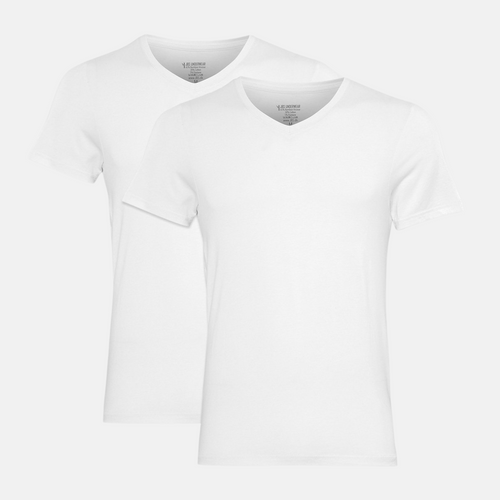
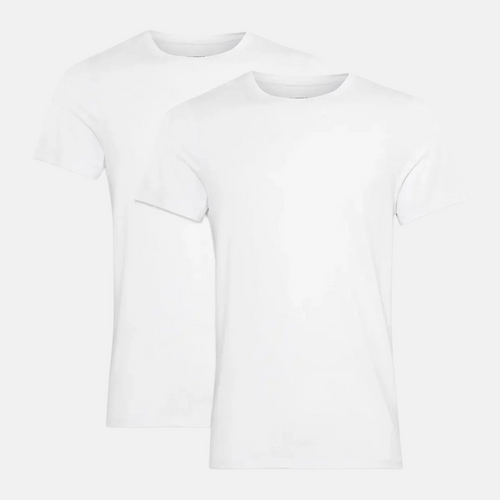
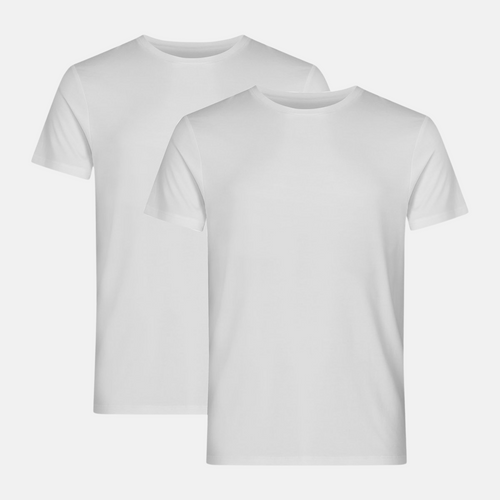
The rule applies in bed too, where the duvet and sheet are the outer layer. Under a tight duvet, moisture collects in what you wear. A night T-shirt for men is a thin layer that is easy to change if it gets damp, and it leaves air between the body and the duvet.
Feet and socks in closed shoes
Feet sweat too, and a boot works like a tight jacket around the foot. The moisture cannot escape, and the skin feels it as clamminess. Changing socks during the day helps, and at home bamboo footies for men can be a thin layer inside shoes that takes up little room.
The layer close to the body
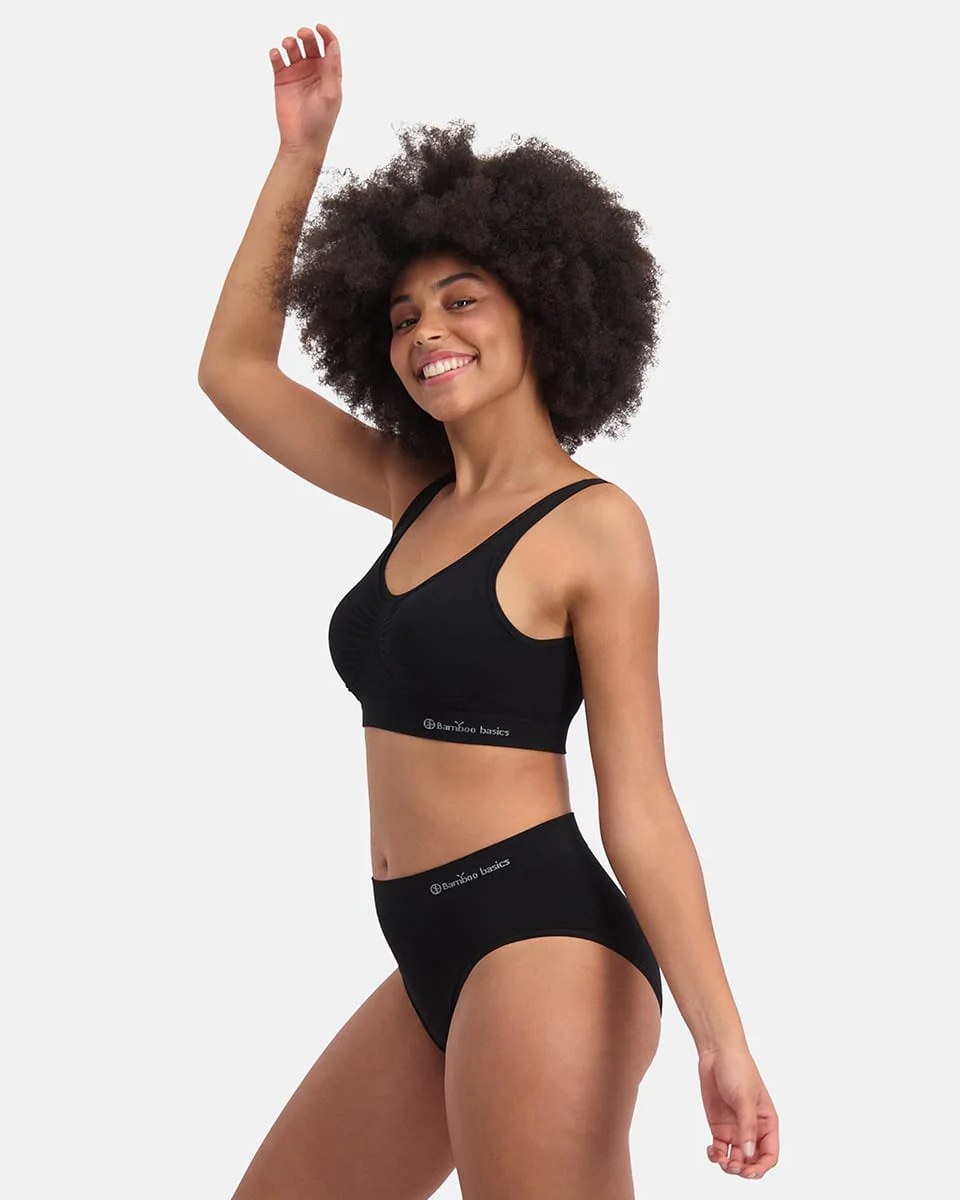
Closest to the body is the underwear, so this is where moisture meets fabric first. A thin layer that does not fit too tightly lets air reach the skin. For everyday use, bamboo inner shorts can be one of the layers under trousers and jacket that take the first moisture.
Long walks and changing weather
On a long walk, heat production changes all the time. Stop regularly and adjust the layers before you get warm, and again before you stand still. Bring a dry shirt for the break and change if the innermost one has become damp. It takes a little planning, but it makes the walk more comfortable.
The main thing to remember
A tight jacket keeps the wind out, but also the moisture in. The body's vapour needs an exit, otherwise it collects in the layers below. Open up in good time, use vents and start lightly dressed rather than too warm. That way the base layer stays dry, and you avoid the chill when you stop.
Frequently asked questions
Why do I get cold when I stop
Because the moisture in the layers starts to evaporate and cools the body, while you produce less heat yourself. Put on a dry layer straight away and close the jacket again.
Is a breathable jacket enough
It helps, but it cannot always keep up if you sweat a lot. Combine it with venting and a few layers you can easily put on and take off along the way.
What should I do on a long walk
Start lightly dressed and adjust the layers before you get warm. Open the zip on climbs and put on a dry layer during breaks, so the moisture does not chill you.
You can find the full range at Bamboo-Clothing.com.