Why clothing feels clammy without being wet
Short answer: Clammy is moisture that cannot escape. The fabric holds water, the air around it is already damp, and the skin feels the temperature drop without anything looking wet. That is why clothes can feel unpleasant even when they look dry.
Moisture without visible water
A fabric can hold many percent water without dripping or looking wet. The skin does not feel the water itself, but it feels heat being led away faster than from dry fabric. The result is a cold, heavy sense against the body that is hard to pin down, yet almost everyone knows it.
The surrounding air decides
If the air is saturated, moisture in the fabric cannot evaporate, so it stays put. That is why the clammy feeling is worst in damp weather or in a room without ventilation. It is not the fabric alone. Even the best clothes can feel clammy if the air around them cannot take up more moisture.
When synthetic fabric feels clammy
Polyester often feels clammy quickly, because sweat stays on the surface instead of going into the fibre. The surface turns wet against the skin while the fabric itself seems dry. Many notice this in summer and during exercise, and it makes people change clothes more often than they really need to.
Damp weather and rooms without airing
On rainy days and in bedrooms with closed windows, humidity is high, and clothes lose the ability to pass moisture on to the air. If you can open a window, do so, and leave the door open so the air can change. It makes a noticeable difference, for the clothes and for sleep.
Clammy at night
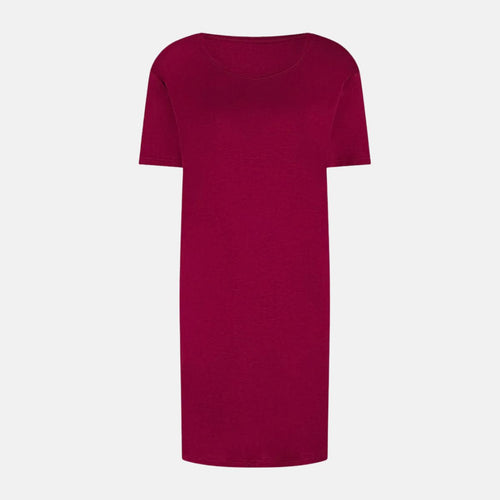
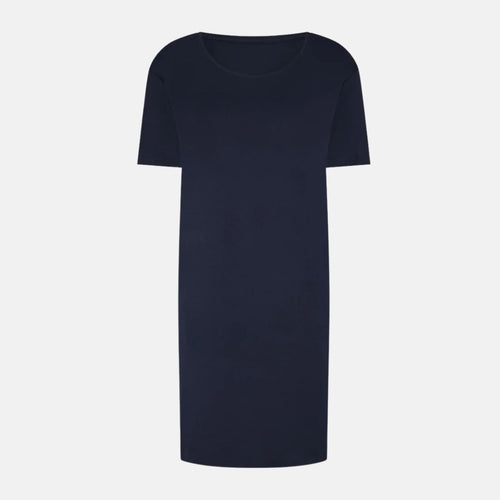
At night the body gives off moisture for many hours, and if the duvet and sheet hold it in, nightwear can feel clammy. Choose a loose cut that does not fit tightly, for example bamboo nightgowns for women, and air the bed in the morning before making it. That gives the moisture a chance to escape.
What makes it better
Three things work: air under the garment, a thinner layer or a fabric that can pass moisture on to the air. It is the same principle as layering. If in doubt, start by removing a layer and giving clothes room. That is often enough for the clammy feeling to disappear.
Pyjamas and a loose fit
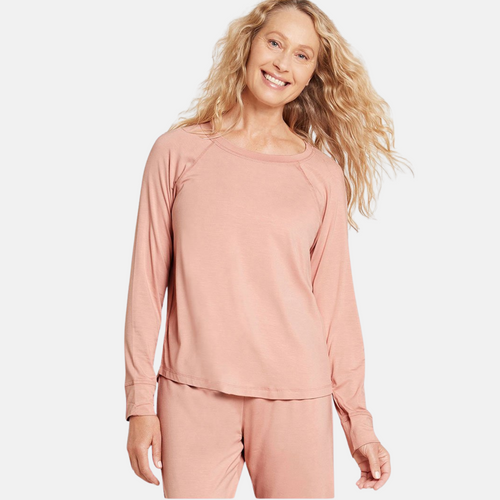
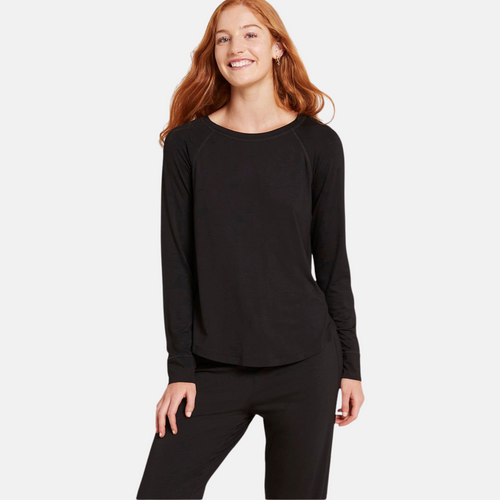
A set that fits loosely leaves air between fabric and skin, and air is the best route for moisture. Browse the range of pajamas for women, where you can compare cuts and lengths. Choose what feels comfortable in your bed, and switch to something else if the night turns clammy.
Underwear through long days
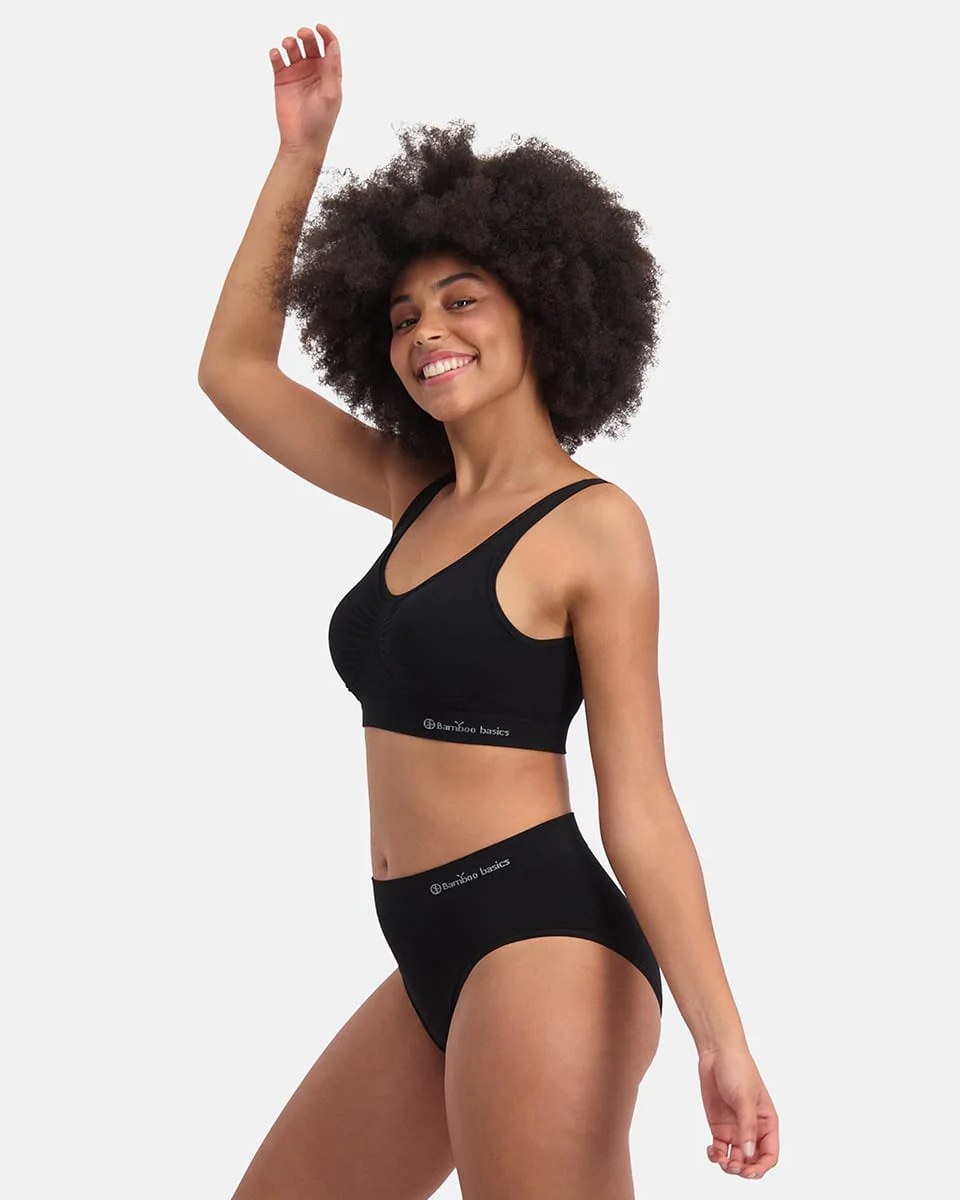
Underwear sits closest to the skin and often stays on for many hours. If the day is long, it is wise to change in good time and choose a cut that does not fit too tightly. That includes period underwear, where you should follow the maker's instructions on how long it may be worn and change when it feels damp.
Airing clothes works
Fifteen minutes on a hanger removes most of the moisture the clothes took in during the day. Do not leave them crumpled on a chair, and do not put them straight into the wardrobe after wearing. A little air is often enough for clothes to feel fresh again next time.
Frequently asked questions
Why does polyester feel clammy quickly
Because sweat stays on the surface instead of going into the fibre. The skin then feels a wet surface even though the fabric does not look wet, and the moisture cannot escape.
Is clammy always a sign of sweat
No. Moisture from the air alone can give the same feeling, especially in damp weather or in a room without ventilation. The fabric takes in moisture and cannot release it again.
Does it help to air the garment
Yes. Fifteen minutes on a hanger removes most of it, because air reaches all around the fabric. Do not put it away crumpled while it is still damp.
You can find the full range at Bamboo-Clothing.com.