What happens to the waste water from a textile factory
Short answer: Water from dyeing and finishing contains dye, salts and chemical residues. It must be treated before it is released, and the treatment is a plant in itself with several stages, each dealing with a particular type of pollution.
What is in the water
When fabric is dyed and finished, large amounts of water are used to carry colour and chemicals into the fibres and to rinse the excess out again. The used water therefore contains dye, salts and residues of the agents used. Exactly what it contains depends on the colour, the fibre and the method.
Several stages of treatment
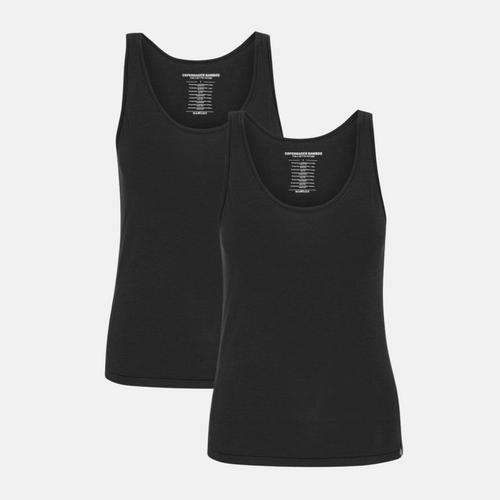
First, solid particles such as fibres and sediment are removed by screening the water or letting it settle. Then organic substances are broken down biologically by bacteria, and finally acidity and temperature are adjusted so the water can be released. See bamboo shirts for women.
The dye is the hard part
Colour is designed not to fall apart, and that is why it is also hard to break down in a treatment plant. It often needs an extra step using carbon, membranes or chemical oxidation. That is one reason dyeing is among the most demanding parts of clothing production when it comes to water.
Salts and acidity
Many dyeing methods use salt to make the colour bind to the fibre, and acids and bases control the process. Salt cannot be removed by ordinary biological treatment, so it needs other solutions or a limit on how much may be released. That is why the rules often mention both salt and acidity.
The rules decide the level
How much must be removed is decided by local law and by the requirements of certifications. The requirements differ from country to country, and a plant that meets one rule does not necessarily meet another. So it is not enough to hear that the water is treated. You need to know to which requirements, and how it is documented.
How much water is used
Dyeing uses many litres per kilo of fabric, depending on method and machine. That applies both to the dye bath itself and to the rinses that follow. Newer machines and methods can lower the use, which matters both for what must be treated and for how much water the plant draws in total.
Methods with less water
There are methods that use less water, including dyeing in foam and reuse of the dye bath. With reuse, the bath is lightly cleaned and used again, so fresh water does not have to be added every time. Not all fabrics and colours suit it, but the principle is to do more with the same water.
Can you see it on the fabric
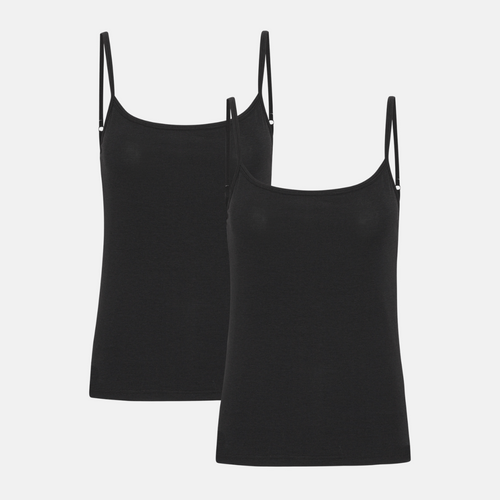
No, you cannot tell from a fabric whether the water was treated properly. It can only be documented through the factory's papers and audits, for instance a certification where an independent party checks conditions. That is why it is wise to look at what a label actually covers. See bamboo undershirts for women and Zent.
What you can do yourself
As a buyer you cannot control the factory's treatment, but you can wash your clothes gently and wear them for a long time. The more often a garment is worn, the fewer new ones need dyeing. Choose colours you will like for long, and wash at a low temperature so the colour holds.
Frequently asked questions
Can you tell from a fabric whether the water was treated?
No. It can only be documented through the factory's papers and audits, for instance a certification where an independent party checks how production is run.
How much water does dyeing use?
Many litres per kilo of fabric, depending on method and machine. Both the dye bath and the rinses that follow use water, and newer machines can lower the use.
Are there methods with less water?
Yes, including dyeing in foam and reuse of the dye bath. Not all fabrics and colours suit them, but they can cut water use and the amount that must be treated.
You can find the full range at Bamboo-Clothing.com.