What high humidity does to a fabric
Short answer: Damp air means the fabric takes up more water and evaporation is slow. Clothes get heavier, cooler against the skin and dry worse after washing. With a few habits you can make the damp part of the year easier, and you do not need to buy anything new to feel the difference.
The fabric draws in water
Cellulose fibres stay in balance with the air around them and take up moisture from it when the air is wet. At eighty per cent humidity, viscose can hold about fifteen per cent water without feeling wet. That is why clothes can feel heavier and slightly clammy in rainy weather, though they never came near water.
Evaporation is slowed
If the air is almost saturated, it cannot take in more moisture. Sweat stays in the fabric, and laundry takes twice as long to dry. This applies to every material, but it is felt most clearly where the fabric needs to release moisture quickly. See bamboo nightgowns for women.
Why warmth feels worse in damp weather
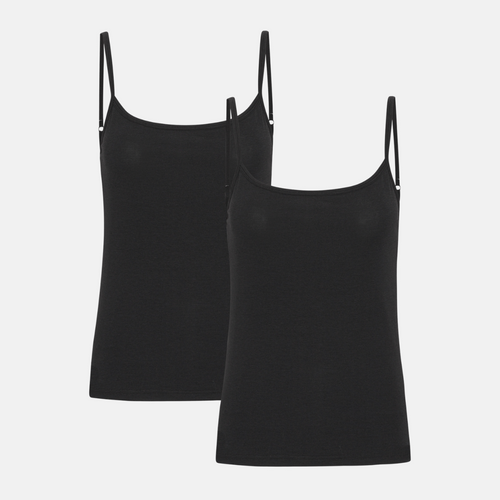
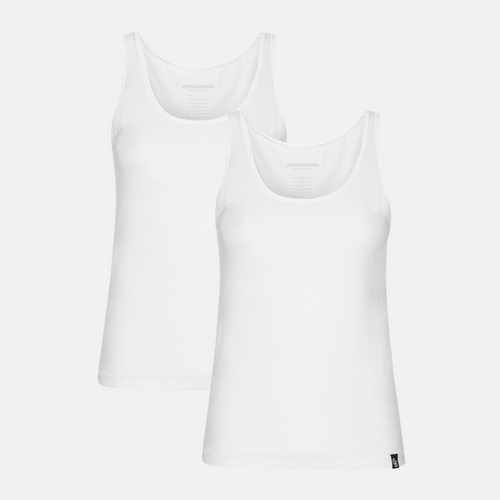
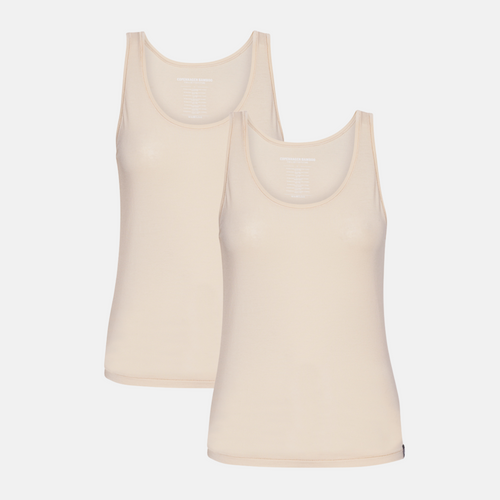
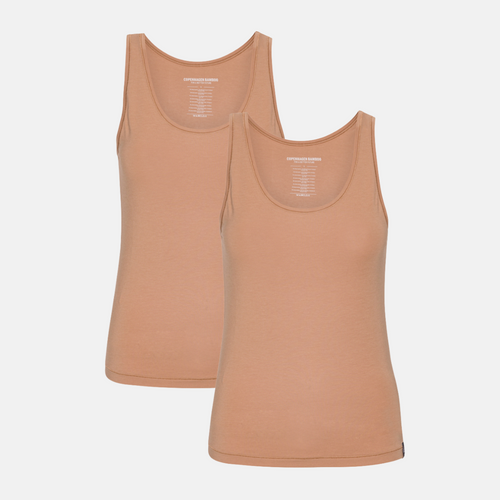
The body cools itself by evaporating sweat. If the sweat cannot evaporate, body temperature rises even though the thermometer shows the same. That is why twenty degrees feels quite different in dry air than in damp air. See bamboo panties and bamboo undershirt for women.
What is a comfortable humidity
Indoors, a comfortable humidity lies between forty and sixty per cent. Below forty the air turns dry and gives static and dry skin, and above sixty it turns clammy and can cause condensation on windows. A cheap hygrometer shows you the figure, if you want to know what goes on in your living room.
Does a dehumidifier help laundry dry
Yes, markedly. A dehumidifier removes the moisture the laundry gives off, so the air can take up more. If you hang laundry to dry in a small room, a dehumidifier can halve the drying time. It also helps the clothes, since wet fabric left lying can start to smell stale and damp.
Why clothes feel clammy without being wet
In rainy weather clothes feel clammy because the fibre takes up moisture from the air and carries heat away from the skin faster. Water conducts heat far better than air, and even a small amount of moisture in the fibre makes the fabric feel cooler. It is not the same as being wet, but it feels that way.
How laundry dries best
Hang the clothes freely so air reaches every side, and do not leave them squeezed together. Air the room when you can, and keep the doors open so the moisture can spread. If you hang laundry in a small closed room without ventilation, drying can take several days.
Thinner layers in damp weather
In damp weather it helps to dress in thinner layers, which take up moisture quickly and release it again. Thick layers hold a lot of water and dry slowly. A thin layer underneath and a shell on top that can be taken off gives you the freedom to adjust to the day.
A few habits for the damp season
Air the home several times a day, and keep the laundry out of the bedroom. Take the clothes out of the washing machine straight away, so they do not lie and smell. If you have a small home, it helps to put the drying rack somewhere with good air. Small things like these make rainy days more pleasant.
Frequently asked questions
What is a comfortable humidity
Between forty and sixty per cent indoors. A cheap hygrometer shows you where you are, and makes it easier to judge whether to air the room or raise the humidity.
Does a dehumidifier help laundry dry
Yes, markedly. It removes the moisture the laundry gives off so the air can take up more, and laundry often dries in a fraction of the time in a small room.
Why do clothes feel clammy in rain without getting wet
Because the fibre takes up moisture from the air and carries heat away from the skin faster. Even a small amount of moisture in the fabric makes it feel cooler and heavier.
You can find the full range at Bamboo-Clothing.com.