What static electricity has to do with dry air
Short answer: Static arises when charge cannot be led away. Moisture in the air makes both fabric and skin slightly conductive, which is why the problem disappears as soon as the air gets damper. It is an ordinary winter nuisance, and a few simple habits at home can calm it, without replacing the whole wardrobe.
Charge comes from rubbing
When two materials rub against each other, electrons move from one to the other and a charge builds up. This happens all the time, even in damp weather, when clothes move against skin or other clothes. The only difference is whether the charge has a way out or stays put.
Moisture leads the charge away
A thin layer of water on fibres and skin forms a path for the charge. If the air is damp enough, the charge drains off before you feel it. If the air is dry, it stays until it finds a way out, usually a small shock from a door handle or another person. See bamboo sleepwear for men.
Why it is worst in winter
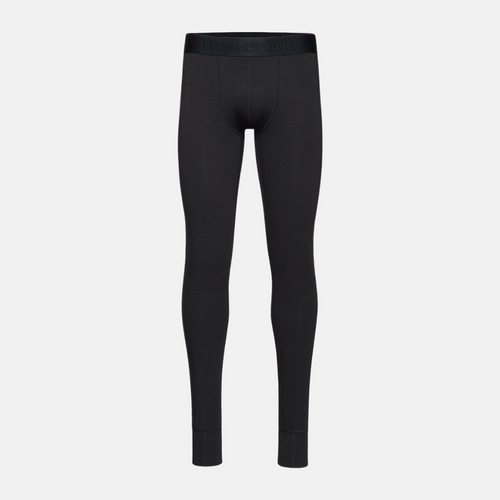
Cold air holds little water, and heating lowers the relative humidity further. Below forty per cent everything turns static, clothes, hair and blankets alike. That is why you notice it most in January and February, when the radiators run all day. See bamboo tank top for men and bamboo long john.
What helps at home
The most effective step is to raise the humidity in the living room. Dry the laundry on a line indoors, and put a bowl of water on the radiator if you like, so the humidity rises a little. Also avoid over-drying in the dryer, because fully dried clothes turn more static than clothes allowed to dry in ordinary indoor air.
Which fibres cause the most static
Synthetic fibres like polyester and nylon give the most static, because they do not take up moisture and so do not lead charge away. Cellulose fibres give the least, because they always contain a little water. Check the content label if you want to avoid the problem, and note that blends with a lot of synthetic behave like synthetics.
Is static harmful to clothes
No, static does not damage the fabric itself. It does attract dust and lint, and it makes the garment cling to the body or creep up the legs. It is more annoying than harmful. If you feel it all the time, it may be a sign that the air indoors is too dry and that you can do something about it.
Layer upon layer in winter
If you wear several layers in winter, each layer can rub against the next and create even more charge. Choose natural or cellulose based materials closest to the skin, where they take up moisture. Then it is the outer layer that may crackle, not the one closest to you.
Small habits that make a difference
Touch a grounded metal object before you grab something, if you often get shocks. Moisten your hands lightly with cream, because dry skin conducts poorly. Hang the clothes up while still a little damp, and shake them out. Each thing helps a little, and together they make winter noticeably more comfortable.
Static is a sign about the air
Static is rarely a problem with the clothes themselves, but a sign that the air is too dry. Keep the indoor air at a sensible level and most of it disappears on its own. You will also have done something good for skin, wooden furniture and nose in winter.
Frequently asked questions
What helps at home
Raise the humidity, dry the laundry on a line in the living room and avoid over-drying in the dryer. A few simple habits make a clear difference through the winter months.
Which fibres give the most static
Synthetic fibres like polyester and nylon. Cellulose fibres give the least, because they always hold a little moisture and so lead the charge away.
Is static harmful to clothes
No, but it attracts dust and makes the garment cling. It is more annoying than harmful, and it usually goes away when the air gets damper.
You can find the full range at Bamboo-Clothing.com.