What Is Bamboo Viscose? All About the Fabric in Your Clothes
Short answer: Bamboo viscose is a manufactured fibre in which the cellulose from the bamboo plant is dissolved chemically and spun into thread. It is neither a natural fibre in the same sense as cotton nor a synthetic fibre like polyester, but something in between, which is why the name confuses people.
How it is made
The bamboo stems are chipped and cooked in a chemical solution until the cellulose can be separated out. The mass is pressed through fine nozzles and sets into long threads, which are spun into yarn. It is the same process used for viscose from wood.
Why it is called viscose
Viscose is the name of the process, not of the raw material. Bamboo viscose, wood viscose and cotton viscose are made the same way, and the difference is which plant the cellulose comes from. That is why labels often say viscose from bamboo.
How it feels
The fibre ends up with a very smooth surface, smoother than cotton's. That smoothness is what you register as softness against the skin, and it is there from the first time. The fabric does not become markedly softer over the years as cotton does.
Moisture
The smooth surface leads moisture out into the fabric rather than holding it against the skin. That property is what makes a difference in underwear and in bedding, where the fabric lies close to the body for many hours at a time.
Where it is used most
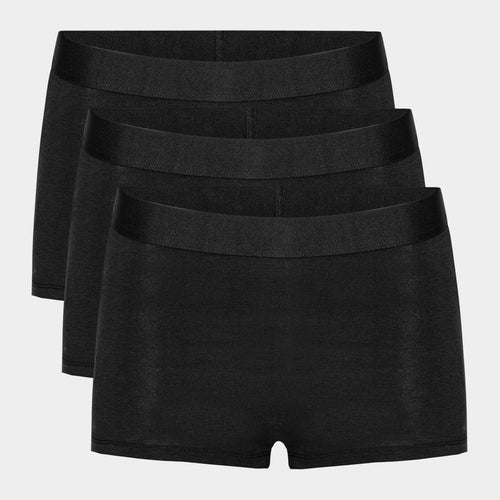
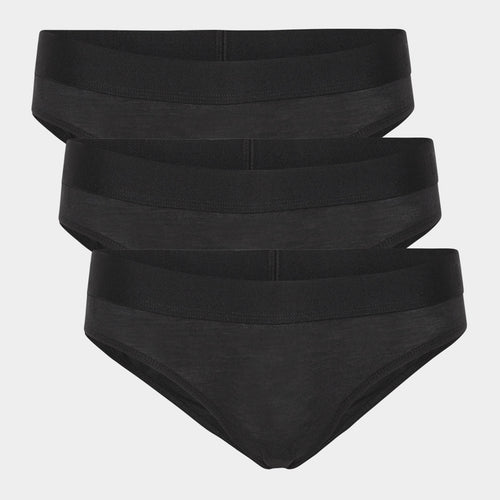
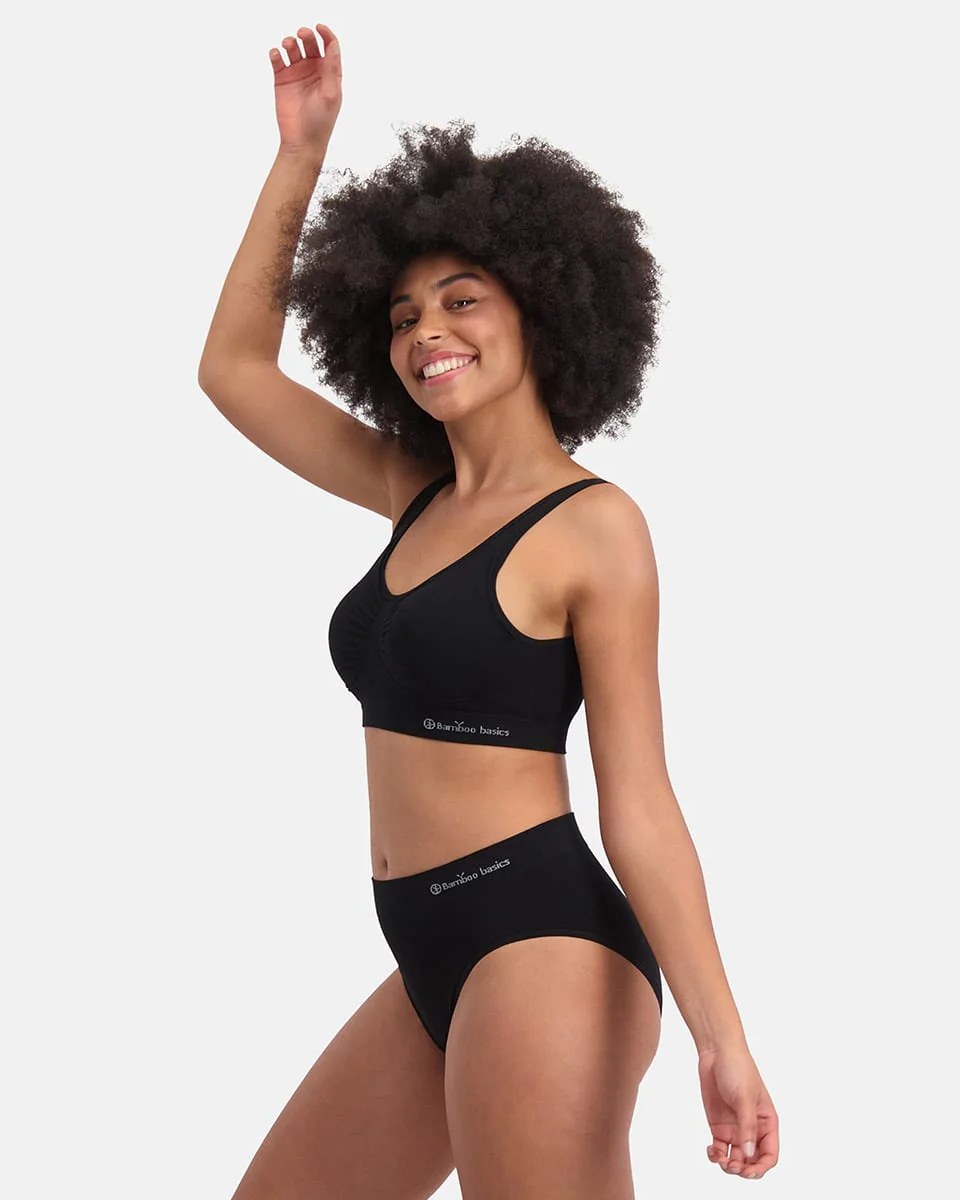
It is used most where the fabric touches the skin directly. See bamboo underwear for women and bamboo underwear for men, the two categories where the difference from cotton shows most clearly in daily use.
How strong it is
Bamboo viscose is weaker when wet than cotton is. That means no boil washes and no hot tumble drying if the fabric is to last. In return it pills less and holds its colour longer than cheap cotton does.
The elastane in the blend
Most garments in bamboo viscose contain five per cent elastane. Without it the fabric would not return to shape after a day's wear, which is why a label almost never says a hundred per cent bamboo.
How to wash it
30 degrees, half the dose of detergent and no fabric softener. Softener settles into the fibres and removes the very ability to move moisture that you bought the fabric for, and it is the most common reason a garment stops working.
The difference from bamboo linen
There is also fabric made from bamboo fibres extracted mechanically rather than chemically. It is called bamboo linen, feels coarser to the touch and is rarely used for clothing next to the skin. By far the most bamboo clothing is viscose.
What to look for
Look at the share of bamboo viscose in the blend and at the weight of the fabric. A high share and a sensible weight say more about how a garment will feel than any word on the front of the packaging. See also the honest guide to bamboo viscose and the environment, bamboo and temperature regulation and bamboo lyocell vs. bamboo rayon.
Frequently asked questions
Is bamboo viscose a natural fibre?
Not quite. The raw material is a plant, but the fibre is made chemically, so it sits between natural and synthetic fibres.
Why does the label say viscose?
Because viscose is the name of the process, not the raw material. Bamboo viscose is made the same way as viscose from wood.
Why is there elastane in it?
So the fabric returns to shape after a day's wear. Without elastane a garment would quickly go baggy.
You can find the full range at Bamboo-Clothing.com.