Bamboo Lyocell vs. Bamboo Rayon - the whole truth about bamboo textiles
Short answer: Bamboo rayon and bamboo lyocell are the same raw material treated in two different ways. Rayon, also called viscose, is dissolved in sodium hydroxide and carbon disulfide, while lyocell uses a solvent that is captured and used again in a closed loop. Lyocell is therefore easier on the environment, but both give you a soft fabric, and you can rarely tell the difference with your fingers alone.
Bamboo rayon, the traditional method
Production starts by breaking the bamboo stems down into pulp. The pulp is dissolved in sodium hydroxide, also known as caustic soda, which breaks down the cellulose fibres, and carbon disulfide is then added to make the dissolved cellulose spinnable. The fibres are rinsed, dried and spun into yarn. The method is old, cheap and widespread, which is why by far the most bamboo textiles on the market are rayon. The result is a silky soft fabric with good moisture absorption and good temperature regulation, and that is what you find in most of our bamboo underwear for men. The drawback is not in the garment but in the factory: the chemicals have to be handled and cleaned up, and that is not done equally well everywhere.
Bamboo lyocell, the closed loop
Lyocell is made from the same cellulose, but with an organic solvent instead of carbon disulfide. The solvent is captured and fed back into production again and again, which is why the process is called a closed loop. Very little escapes, and water use is lower. The fabric also ends up slightly stronger and a little more stable in shape than rayon, so it takes more washes without stretching. It costs more to make, so lyocell costs more in the shop. You will usually find it in the finer items, for example in parts of our bamboo bedding.
How you notice the difference
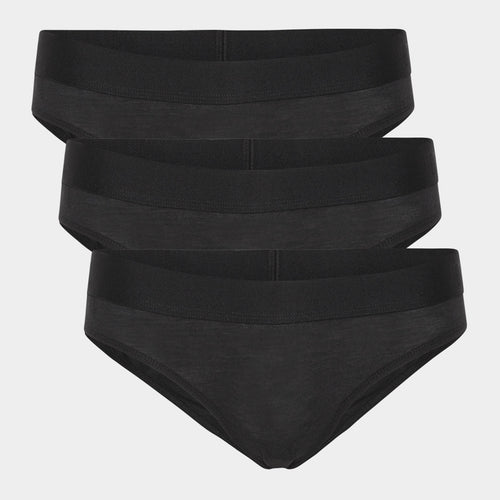
With your fingers the difference is small. Both fabrics are smooth, cool and soft from the first day. What you notice over time is the shape retention: lyocell holds its shape a little better after many washes, while rayon becomes softer and slightly more yielding. In briefs and boxer briefs, where the fabric works all day, that matters most, and you can compare for yourself under bamboo briefs. In a t-shirt or a pair of socks the difference is minimal in practice, and there the price should count for more than the name of the fibre.
What to look for on the label
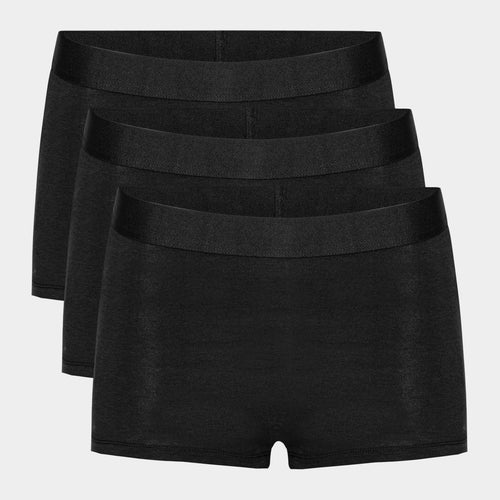
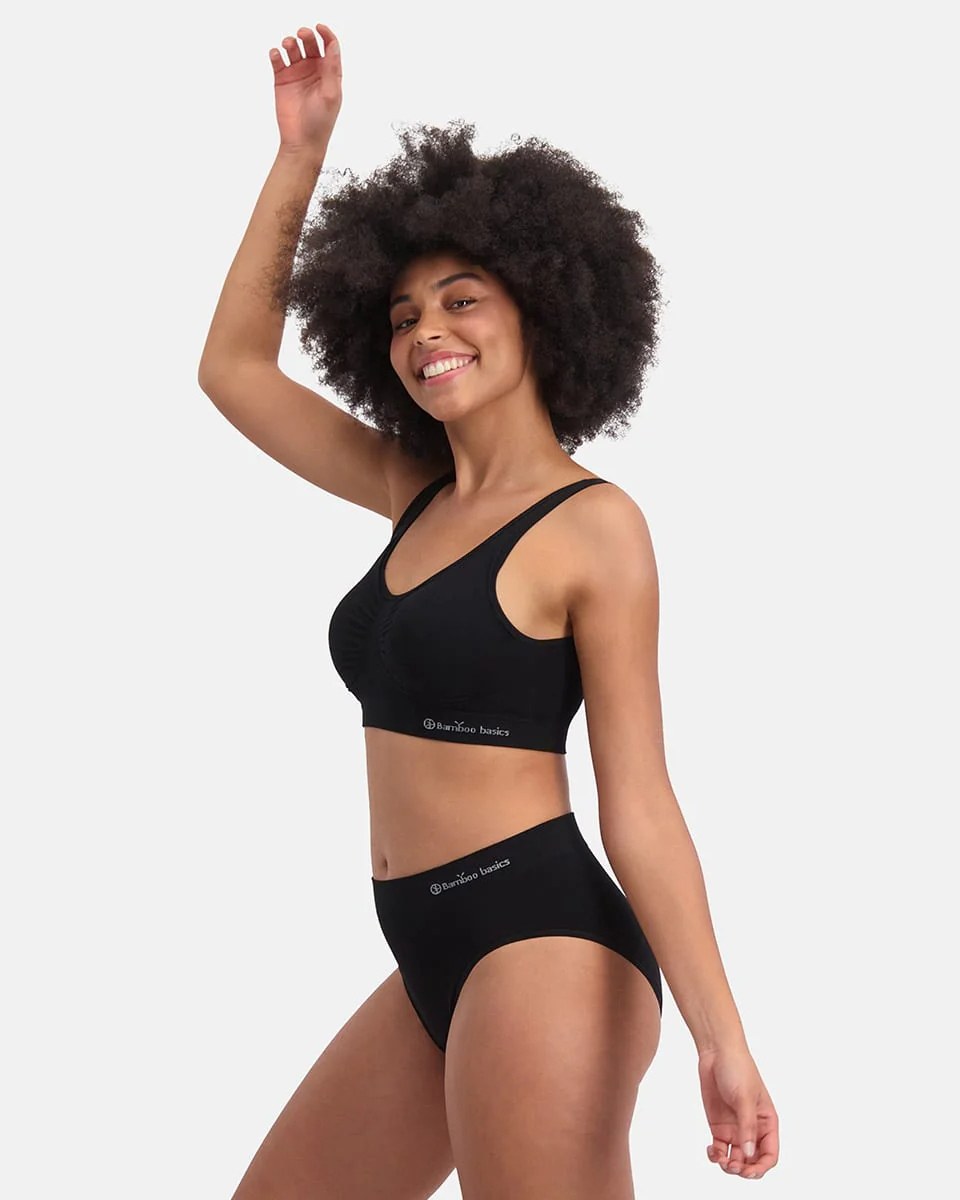
Look for three things. First the word on the content label: if it says viscose or rayon, it is the traditional method, and if it says lyocell, it is the closed loop. Second the share: the higher the share of bamboo fibre, the more of the softness and the moisture transport you get. Third the certification. FSC means the bamboo comes from responsibly managed forests, and many of our brands are FSC certified. All three sit on the product pages under bamboo for women, so you can check them before you buy.
What we carry ourselves
We carry both, because each has its job. Rayon gives you the soft everyday item at a price people will actually pay, and lyocell gives you the slightly dearer item with better shape retention and a smaller footprint from the factory. The full range for men sits under bamboo clothing for men and for women under bamboo underwear for women, where the material is listed on every item. Choose according to what the item is for, and read the content label rather than the marketing on the front of the packet.
Frequently asked questions
Is bamboo lyocell better than bamboo rayon
At the factory yes, because the solvent is reused in a closed loop. In the garment the difference is small. Lyocell holds its shape a little better, rayon becomes a little softer over time.
What does FSC mean on a bamboo product
That the bamboo comes from a forest that is responsibly managed and checked by a third party. It says something about the raw material, not about how the fibre was made afterwards.
Are viscose and rayon the same thing
Yes. Rayon is the English word and viscose the European one for the same fibre made by the same method. If the label says bamboo viscose, it is bamboo rayon.
You can find the full range at Bamboo-Clothing.com.