FSC Bamboo Lyocell vs. GOTS Organic Cotton – Water, Biodiversity, and Comfort
Short answer: FSC certified bamboo lyocell and GOTS certified organic cotton are both better choices than conventional cotton, but each is strong in its own area. Bamboo uses less water and less land, cotton is easier to recognise and takes a hot wash. For clothing next to the skin bamboo wins on softness, and for towels and everyday sheets the choice is more even.
Water and land
Bamboo usually gets by on rainwater and uses up to ten times less water than cotton, and the yield per hectare is high, so less land is needed for the same amount of fibre. Organic cotton still uses large amounts of water, especially in dry regions, but it avoids chemical pesticides and artificial fertiliser, and that improves water quality for the people living around the field. If you count only litres of water, bamboo wins. If you look at what ends up in the water, the picture is more even.
Biodiversity
Bamboo can be grown without pesticides, and that spares insects, birds and the organisms in the soil. On the other hand bamboo grows so fast that large monocultures can appear if the growing is not managed, and that is exactly why the FSC label means something: it requires a balance between forestry and nature. GOTS does the same for cotton by banning the pesticides and setting requirements for the whole chain, right down to the dye houses and the working conditions.
How the two feel on the skin
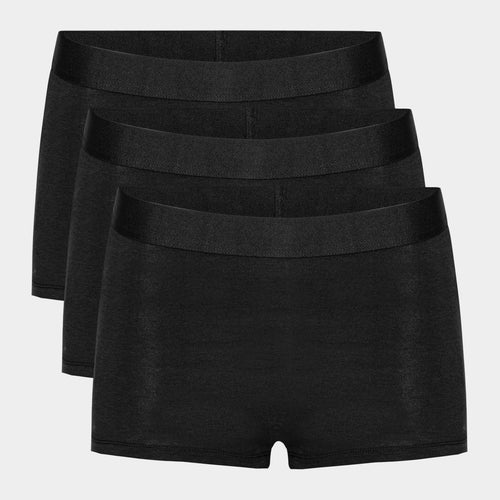
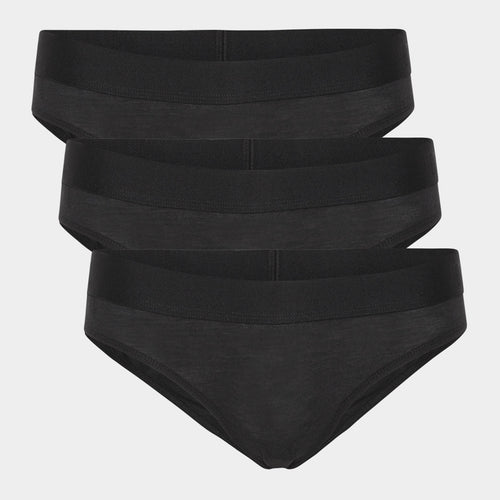
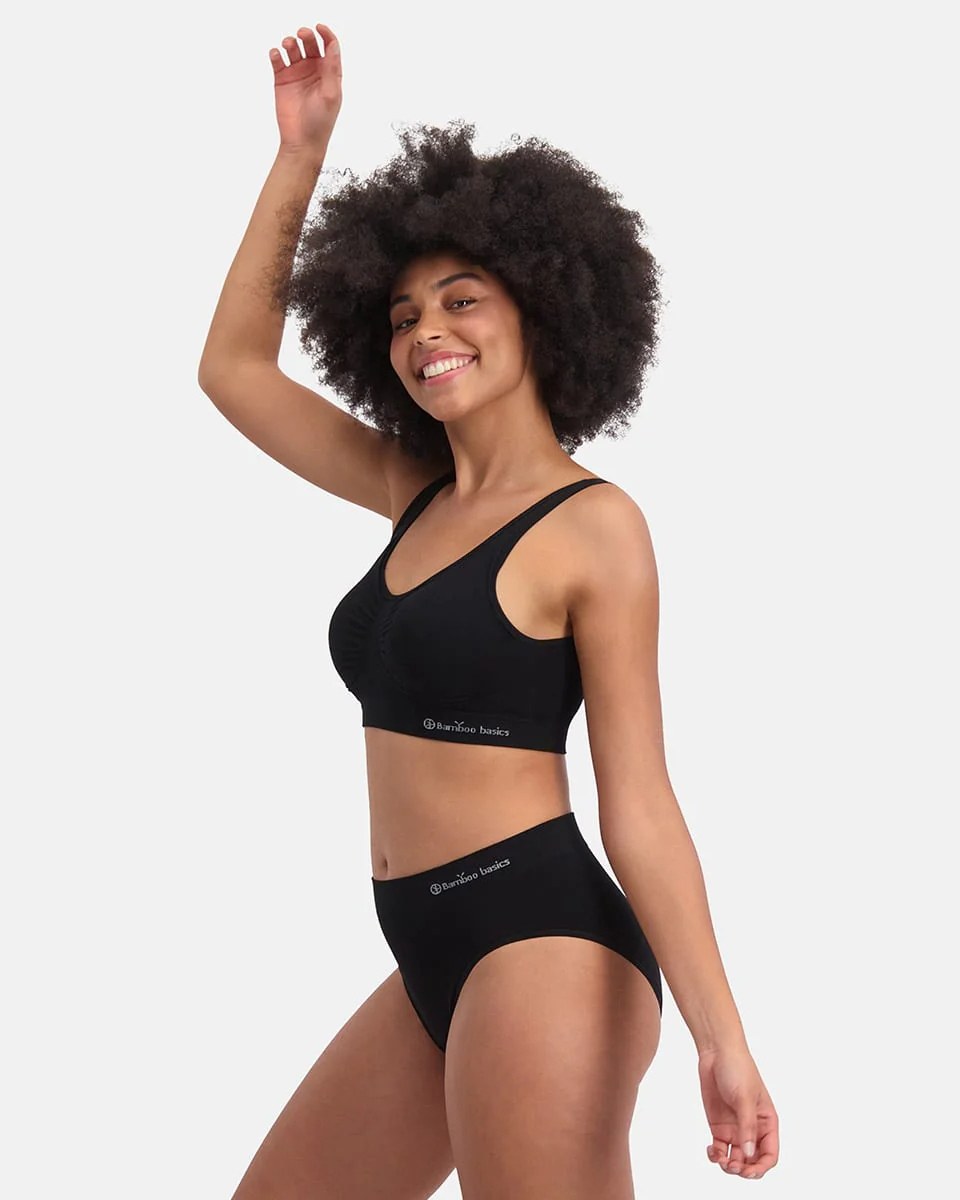
Bamboo lyocell is smooth, cool and silky soft, which is why the material is so common in items that sit close to the body. Organic cotton is warmer, airier and a touch rougher, and that is an advantage when the fabric should soak up moisture rather than move it on. If you want to feel the difference, underwear is the clearest place to start, either under bamboo underwear for men or bamboo underwear for women.
Where each fibre does best
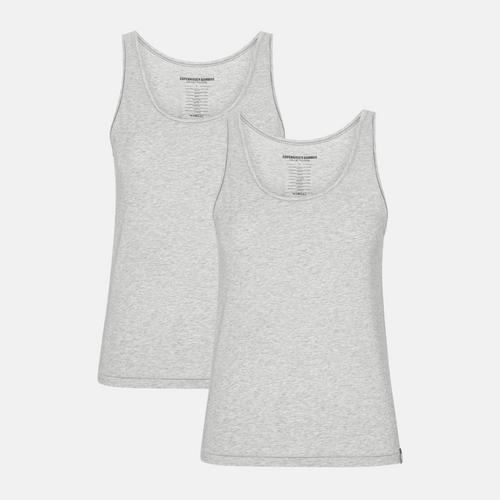
For underwear, t-shirts, nightwear and socks, bamboo lyocell is the better choice, because moisture is moved away from the skin instead of staying there. The same goes for bamboo bedding, where many people find they wake up less clammy. For towels cotton is still strong, because a towel is meant to soak up and hold water, but bamboo gives a softer towel with a shorter drying time, and you can see both under bamboo towels.
How to choose
Choose by the job rather than by the label. If the fabric has to lie close to the skin for many hours, choose bamboo lyocell. If it has to soak up water and take a hard wash, organic cotton is a good choice. And whatever you pick, look for the certification, because it is the only part of the claim a third party has checked. The material and the certification are listed on every item under bamboo for women and bamboo clothing for men.
Frequently asked questions
Does bamboo really use less water than cotton
Yes, usually up to ten times less, because bamboo gets by on rainwater and gives a high yield per hectare. Organic cotton still uses a lot of water, but it avoids pesticides.
What is the difference between FSC and GOTS
FSC is about the forest the raw material comes from. GOTS is about the whole chain for organic textiles, from the field to the dye house and the working conditions.
Which material lasts longer
Cotton takes a harder wash and a higher temperature. Bamboo lyocell holds its shape well, but should be washed at thirty degrees and dried gently, and then it also lasts many years.
You can find the full range at Bamboo-Clothing.com.