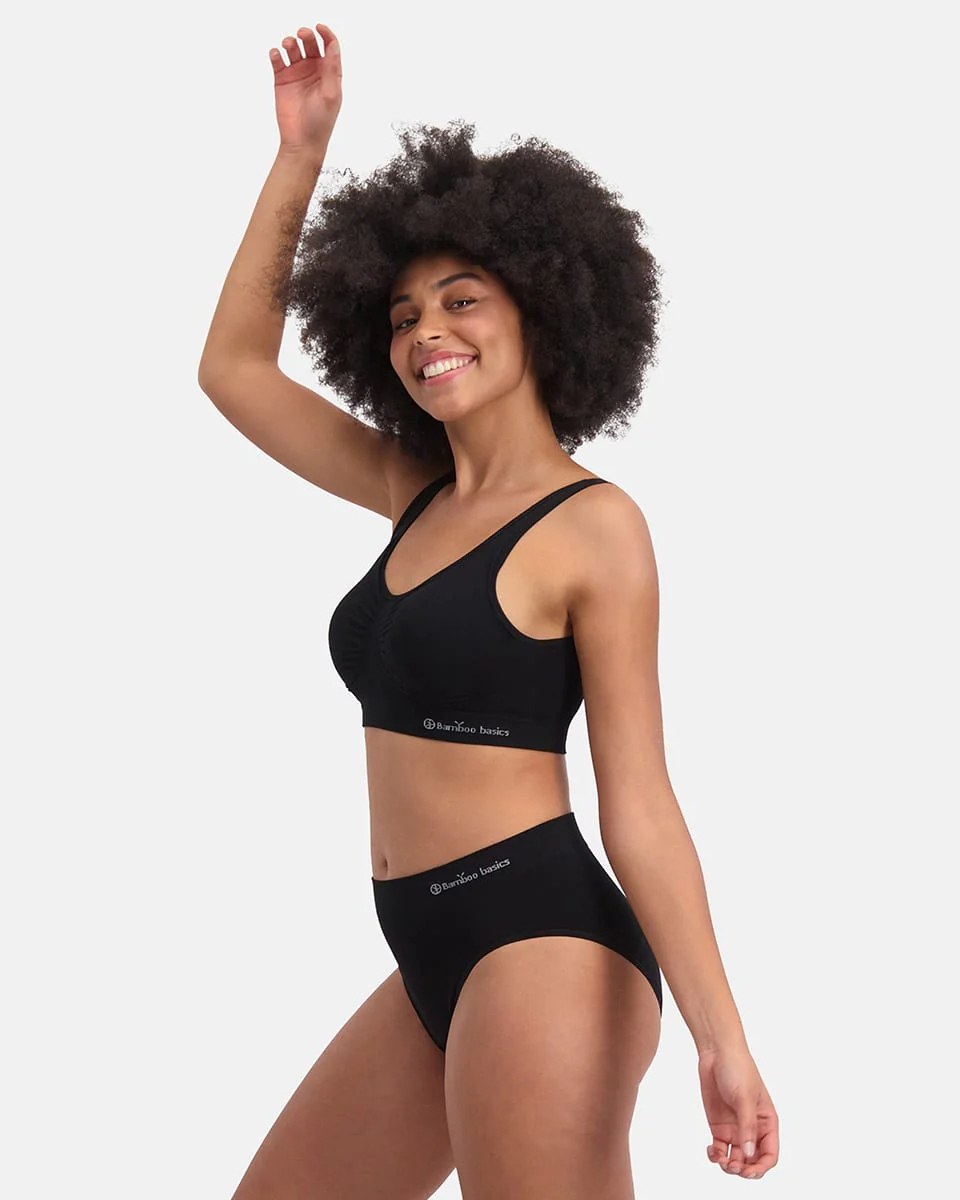
Advantages of bamboo lyocell vs. cotton clothing
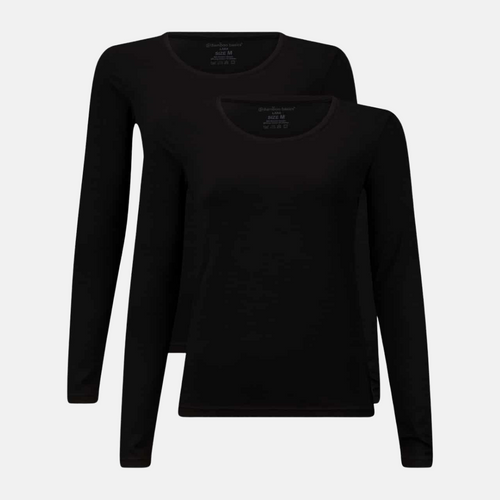
Short answer: Bamboo lyocell and cotton solve the same job in different ways. Bamboo lyocell is smoother, cooler and moves moisture away from the skin faster, while cotton is warmer, soaks up more and takes a harder wash. For clothing that sits close to the body all day, bamboo lyocell is the more comfortable choice, and the difference is clearest in underwear, t-shirts and socks.
How the two fabrics feel
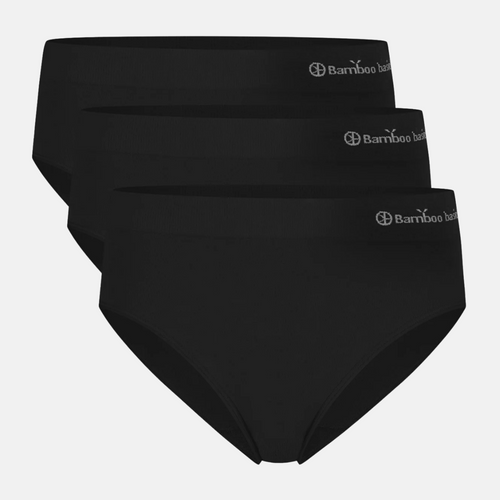
Bamboo lyocell has a smooth, almost silky surface, which is why the fabric feels light and cool from the moment you put it on. Cotton has a more open and slightly rougher surface that many people know and like, but it also gets heavier as soon as it is wet. The difference is greatest where the fabric touches the skin all day, and that is exactly why most people notice it first in bamboo underwear for men and bamboo underwear for women.
Moisture and temperature
The most important practical difference is what the two fabrics do with sweat. Cotton soaks the moisture up and holds on to it, which is why a cotton t-shirt feels clammy after an hour in the heat. Bamboo lyocell instead moves the moisture on into the fabric where it can evaporate, so the garment dries faster and feels cooler against the skin. That is also why the material works on warm days and cool ones alike: it does not hold on to moisture, so it does not hold on to the cold either.
Where the difference matters most
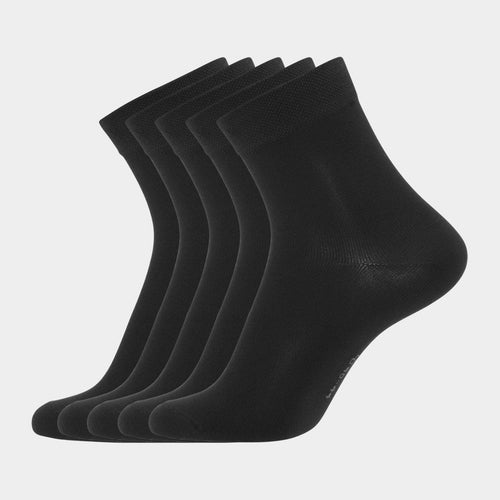
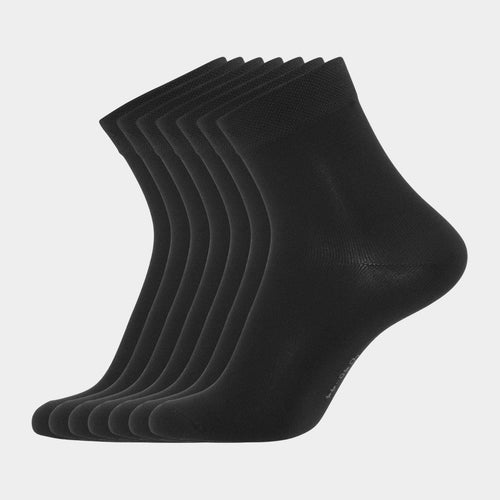
On socks the difference is large, because a foot in a closed shoe produces a lot of moisture over a day, and you can check it yourself under bamboo socks for men and bamboo socks for women. In bed it is just as clear, because the body gives off moisture for many hours at a stretch, and that is why bamboo bedding is one of the places people most often say they sleep better. In a jumper or a jacket, where the fabric does not touch the skin, the choice matters very little.
Durability and washing
Cotton takes harder treatment and higher temperatures, and that is a real advantage in anything meant to be boil washed. Bamboo lyocell should be washed at thirty degrees and dried gently, but in return it keeps its softness wash after wash instead of going stiff. Skip the fabric softener, which settles as a film around the fibres and ruins exactly the moisture transport you paid for. Treated that way, a bamboo garment lasts many years.
What you should choose
Choose bamboo lyocell for anything that sits close to the skin for many hours, and cotton for what has to soak up water or take a boil wash. If you are unsure, start in one place and feel the difference yourself before you replace the rest. The full range sits under bamboo clothing for men and bamboo for women, where the material is listed on every item, so you can see whether you are buying lyocell or viscose.
Frequently asked questions
Is bamboo lyocell better than cotton
For clothing next to the skin yes, because it is softer and moves moisture faster. For towels and items that are boil washed, cotton is still stronger.
Does bamboo lyocell shrink in the wash
Not noticeably if you wash at thirty degrees and dry gently. High heat in the tumble dryer is what causes trouble.
Why should you avoid fabric softener
The softener settles as a film around the fibres and closes off the moisture transport. The fabric feels soft at first, but it stops working as it should.
You can find the full range at Bamboo-Clothing.com.