What is tested for in a certification
Short answer: Tests measure substances that can be released to the skin. Heavy metals, formaldehyde, dye residues, pesticides and substances that can cause allergy are all on the list. The sample is taken from the finished item, and the limit depends on its class.
Tests measure what the skin can meet
The test concerns substances that can pass from the textile onto the skin. It is not an assessment of whether the item is attractive or durable, but of what can be released in use. The list is therefore built around substances known to be a possible problem for the body.
The list is long and fixed
There is a fixed list of substances and limit values, and heavy metals, formaldehyde, dye residues, pesticides and allergy-causing substances are among them. The list is updated every year, so a new test is not identical to last year's. The requirements are therefore set according to current knowledge.
Heavy metals and formaldehyde
Heavy metals can sit in dyes and certain additives, and formaldehyde is used in some places to make fabric less prone to creasing. Both are on the list with an upper limit. If a textile is above the limit, it cannot receive a certificate, however good it looks.
Dyes and pesticides
Dyes can leave residues in the fabric, and the raw material can carry traces of pesticides from cultivation. Both are measured in the finished textile. Some dyes can cause allergy, and they are listed separately. The test looks for specific substances, not for an overall impression.
The sample comes from the item itself
Pieces are cut from the finished textile, not from the raw material. What the customer touches is what gets measured. That means everything that happened along the way, from dyeing to finishing, is part of the result. See for example the finished items from Egtved.
The limits depend on the class
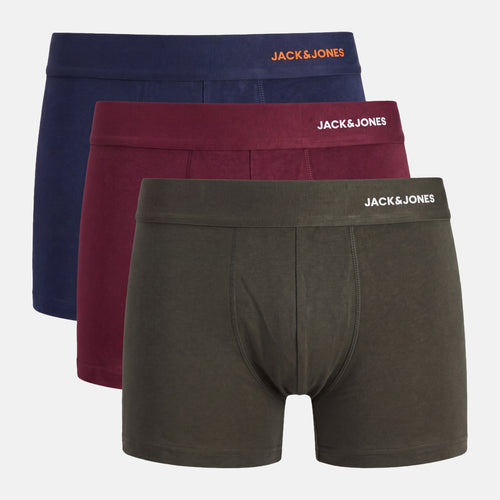
The same substance has a different limit for a pair of briefs and for a curtain. The class decides the number, not the substance itself. Items that touch the skin a lot get the lowest limits. That applies to Nordic Weaving and to Jack and Jones when the item sits close to the skin.
The test does not cover everything
Tests cover the substances on the list, not everything imaginable. A test therefore does not say that the item is free of all substances, only that it stays within the limits for those measured. That is an important difference when you read a label and want to understand what it promises.
How long a test takes
A test typically takes a few weeks, depending on the institute's queue and the number of samples. The producer must therefore plan well ahead if a new collection is to have a certificate before it ships. Changes in production can also mean a new sample, which again takes time.
The producer pays
Whoever wants the certificate pays for the test. That is the producer, not the institute and not the shop. It makes the scheme voluntary, and a certificate is therefore also a choice made by the producer. You can always look the number up and see what the test covers if you want to know.
Frequently asked questions
Is everything tested for
No. Tests cover the substances on the list, not everything imaginable. The list is long and updated every year, but it does not cover every substance that exists in the world.
How long does a test take
Typically a few weeks, depending on the institute's queue and the number of samples. If the certificate must be ready by a certain date, the producer should submit the item well before.
Does the producer pay
Yes. Whoever wants the certificate pays for the test. So neither the shop nor the customer pays directly for the sample, but the cost may be part of the item's overall costs.
You can find the full range at Bamboo-Clothing.com.