What makes a fabric soft
Short answer: Softness comes from three things: fiber fineness, how the yarn is spun, and how tightly it is knitted. The material name alone does not say whether something is actually soft.
Fine fibers come first
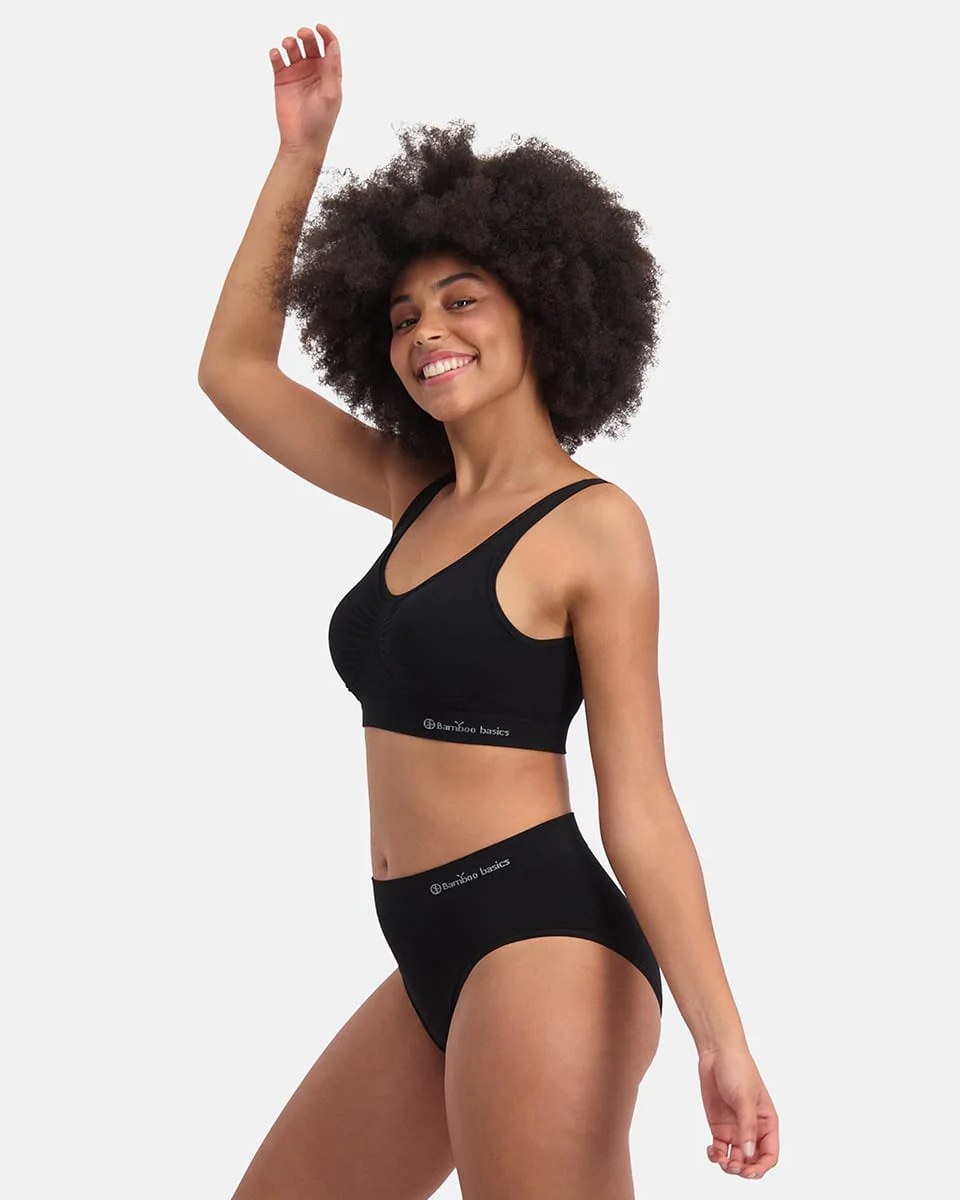
The finer the individual fibers are, the softer a fabric feels against skin, because fine fibers bend instead of pressing against nerve endings. That is the single factor that matters most for the feeling of softness, regardless of which fiber type is involved. See bamboo underwear for women.
Spinning matters almost as much
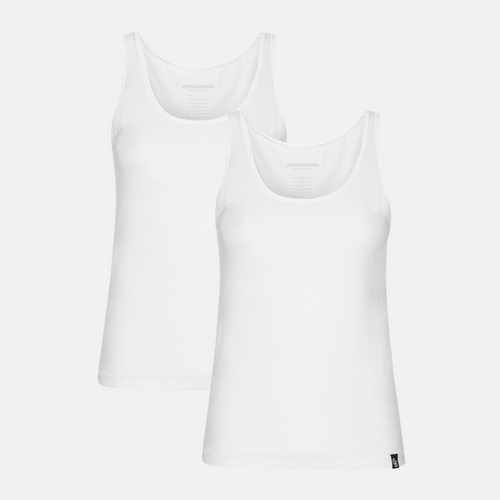
An evenly spun yarn has fewer loose fiber ends sticking out from the surface than an unevenly spun yarn of the same fiber. That produces a smoother, more even surface, which feels softer against skin, even when the underlying fiber itself has not changed at all. See bamboo t shirt for women.
The knit determines the drape
A loosely knitted fabric drapes softer and more yielding than a tightly knitted one, even when both are made from exactly the same yarn. The loose construction gives the fabric more freedom of movement, and that movement is what creates the soft, almost fluid feeling many associate with a pleasant fabric.
Finishing can trick you on first touch
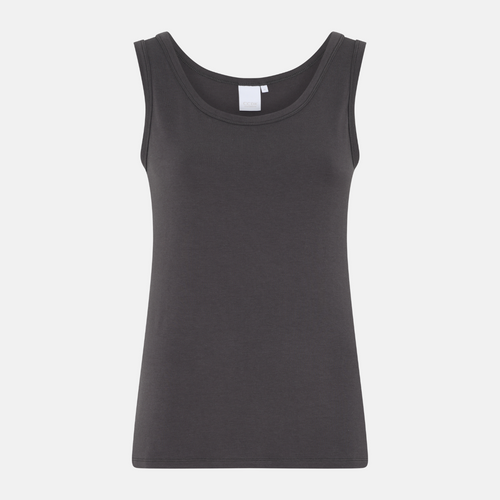
A fabric can be made soft through a chemical or mechanical finish, which often partly washes out after a few washes. That kind of softness is therefore temporary. Real, lasting softness sits in the fiber itself and the spinning of the yarn, not in a surface treatment that fades over time. See bamboo clothing for women.
Density also plays a part
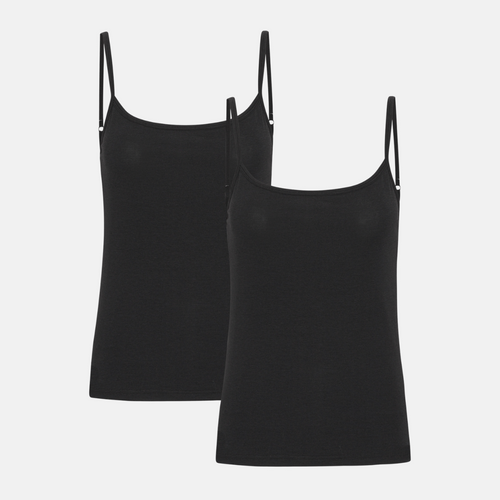
A more tightly knitted or woven fabric can feel firmer even with fine fibers, because there is less room for the fabric to move freely. The balance between density and softness depends on what the fabric is meant for. See bamboo tops for women.
Moisture can temporarily change the feeling
A fabric can feel differently soft when it is slightly damp, because the fibers become more yielding. That is why a freshly washed, slightly damp garment often feels extra pleasant against the skin, while that feeling fades a little once the fabric is fully dry again after a few hours.
Age and use change softness over time
Most knit fabrics actually get a little softer after some wear and washing, because the stiffest fiber ends gradually wear down or lie flat. That is one reason a well worn garment often feels more comfortable than a brand new piece of the same quality and yarn.
How to feel the difference in a shop
Rub the fabric lightly between two fingers instead of just running your palm flat across it. That motion quickly reveals whether the surface has many loose fiber ends sticking out or whether it is even and smooth, which gives a more reliable impression than a single stroke of the palm.
What to look for overall
Look for a combination of fine fiber, even spinning, and a knit that is not too tight for its purpose. No single one of these three factors alone guarantees a soft result, but together they give the best chance of a fabric that feels pleasant against skin from the very first touch.
Frequently asked questions
What makes a fabric soft?
Fine fibers, even spinning, and a knit that drapes loosely, all together. Fiber choice alone does not decide it, it is the combination of all three that counts.
Can a fabric become less soft after washing?
Yes, if the softness originally came from a finish that gradually washes out. Real softness from fiber and yarn stays stable over time instead.
Why do two bamboo fabrics feel different?
Because yarn fineness and knit density vary between products. The same base fiber can therefore produce very different fabrics to the touch.
You can find the full range at Bamboo-Clothing.com.