Why some fabrics itch and others do not
Short answer: Itching comes from fiber thickness and how the fiber end meets the skin. Coarse fibers that stick out from the surface irritate nerves. Smooth, fine fibers do not.
Fiber thickness decides most of it
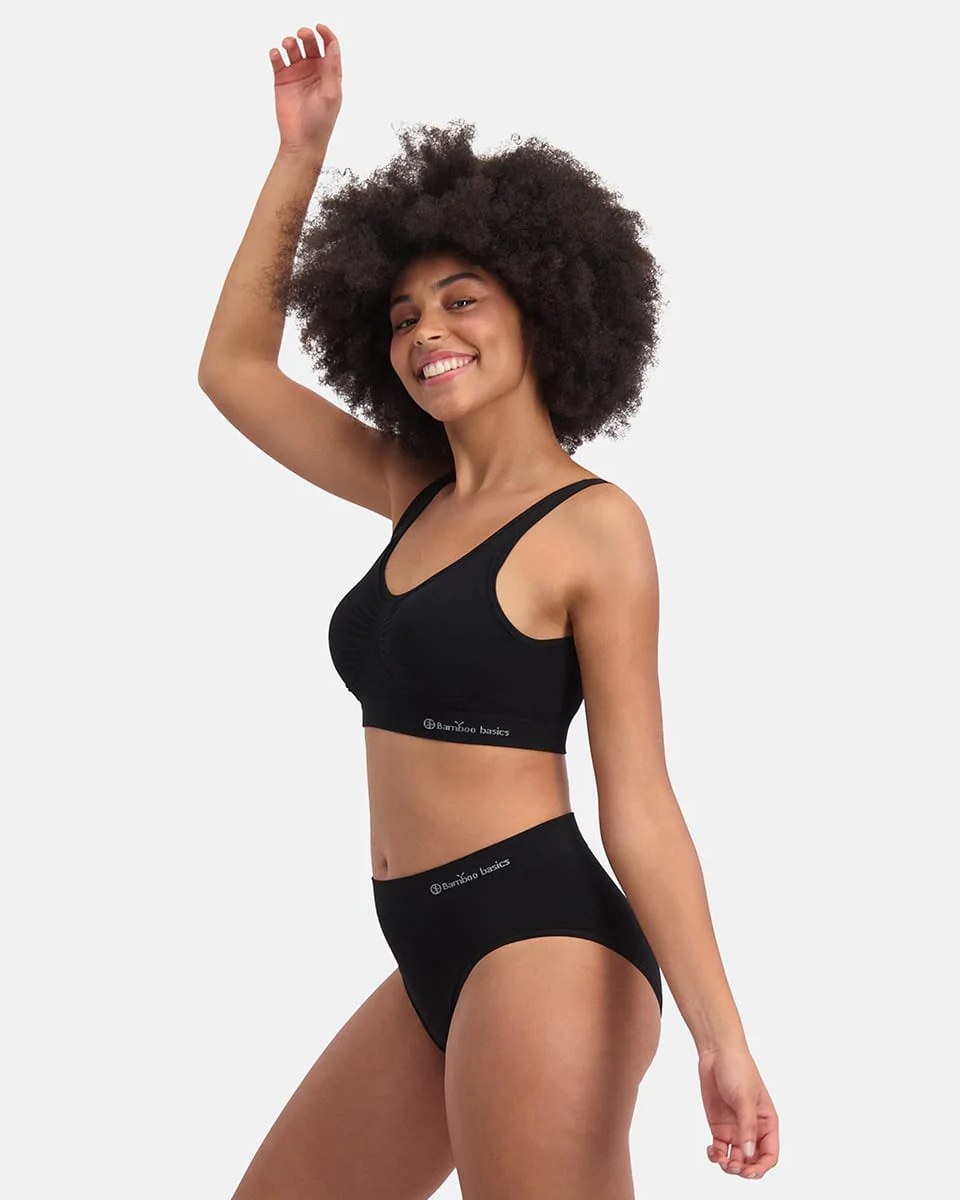
Fibers thicker than roughly thirty microns are too stiff to bend when they hit the skin. Instead they press their pointed end against the nerve endings just below the surface, and that registers as itching. Thinner fibers simply do not have the same stiffness and cannot create the same pressure. See bamboo underwear for women.
Fine fibers bend instead of pressing
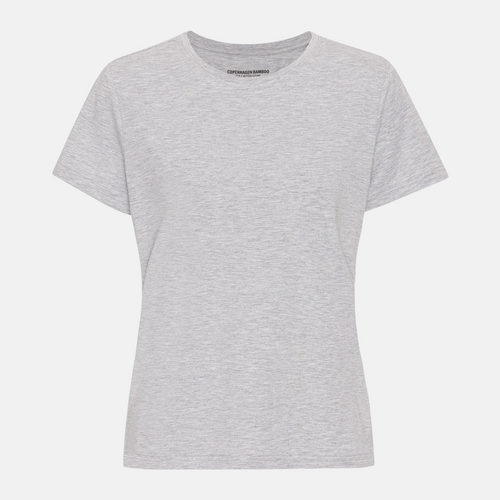
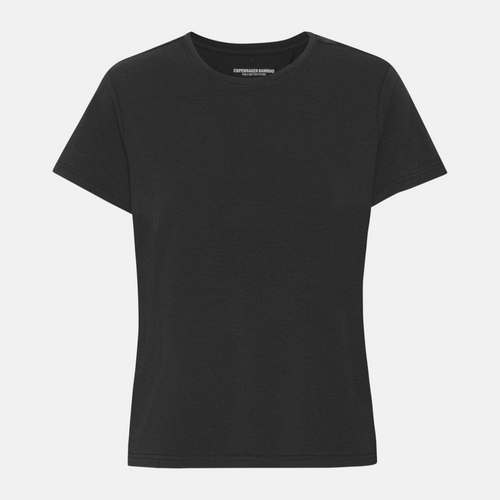
When a fiber is fine enough, it simply bends the moment it touches the skin, instead of pressing a pointed end against the nervous system. That is the actual mechanics behind the feeling of a soft fabric. Flexibility, not the fabric's name or price, decides whether it feels itchy. See bamboo t shirt for women.
Bamboo viscose is smooth and fine in structure
The fibers in bamboo viscose are smooth on the surface and largely round in cross section, without the sharp edges found in some types of wool. That is why bamboo viscose is rarely experienced as itchy, even by skin that usually reacts to coarser natural fibers and switches to synthetic alternatives to avoid discomfort.
It is not always an allergy
Itching from a coarse fabric is usually mechanical irritation, a physical reaction to pressure against the skin, rather than an allergic reaction in the medical sense. The two can look similar day to day, though. With persistent rash, redness, or swelling, symptoms should always be assessed by a doctor. See bamboo clothing for women.
The weave can strengthen or dampen itching
Even a fine fiber can feel more itchy if it is woven or knitted loosely, letting more fiber ends stick freely out from the surface. A tighter, more even weave keeps fiber ends in place and significantly reduces contact between the irritating tips and the skin.
Moisture can make itching worse
Damp skin is more sensitive to mechanical irritation than dry skin, because the outer layers of skin soften and react more easily to pressure. That is why a fabric that feels uncomfortable in warm summer weather can feel completely fine to wear when the skin is dry and cool.
Washed fabrics can change over time
Repeated washing can, over time, cause fiber ends to stand up more from the surface in certain fabrics, increasing the feeling of itch after many washes. Other fabrics, like smooth viscose fibers, change very little over time and remain comfortable to wear close to the skin.
How to test whether a fabric itches
Hold the fabric against the sensitive skin on the inside of your forearm for a minute. That skin reacts faster to irritation than your palm and gives a good indication of how the fabric will feel against the rest of your body over longer wear, in underwear for example.
What you can do if something itches
Switch to a fabric with finer, smoother fibers if a particular garment repeatedly causes discomfort. Bamboo viscose is often a good place to start, precisely because the fiber's natural shape rarely creates the mechanical irritation that sensitive skin experiences as itching.
Frequently asked questions
Why does wool itch for some people?
Because some wool fibers are thick enough to press against the skin instead of bending. That pressure gets registered by the nerves as itching.
Does bamboo viscose itch?
Rarely. The fibers are fine and smooth on the surface, giving low mechanical irritation, even on skin that usually reacts to coarser natural fibers.
Is itching from clothing an allergy?
Usually not. It is most often mechanical irritation from fiber thickness. With persistent rash or redness, a doctor should still assess it.
You can find the full range at Bamboo-Clothing.com.