What stretch in percent means on a data sheet
Short answer: Stretch in percent shows how much longer a fabric becomes when pulled with an agreed force. One hundred percent means the fabric can double in length. The figure is useful, but only if you know what it actually measures.
Two numbers, not one
A data sheet often lists stretch lengthways and crossways separately. In knit fabric the crossways stretch is almost always the largest, because the loops sit side by side and can slide apart. Lengthways the loops sit in rows on top of each other and give less. A single number never shows the full picture.
What the percentage expresses
The percentage compares the fabric length under pull with its length at rest. Fifty percent means a ten centimetre strip becomes fifteen. One hundred percent means twenty. It is simple arithmetic, yet it helps you read the figure on a data sheet when you are holding the garment in your hand.
The force must be included
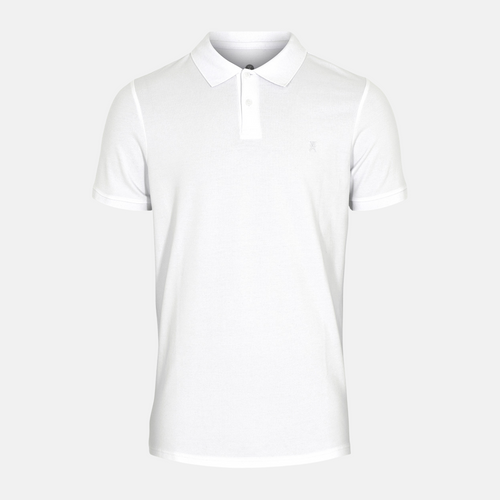
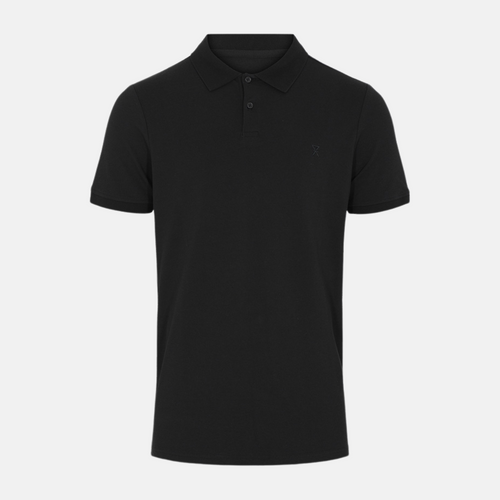
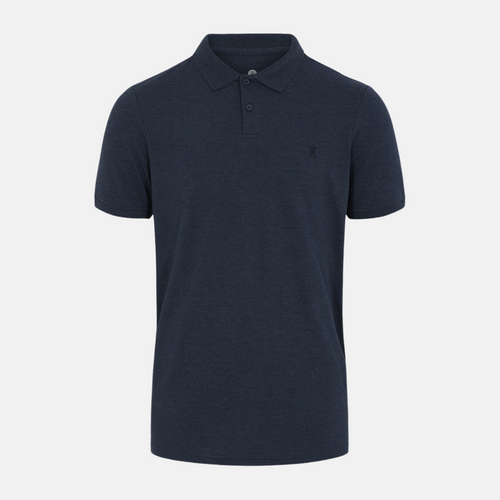
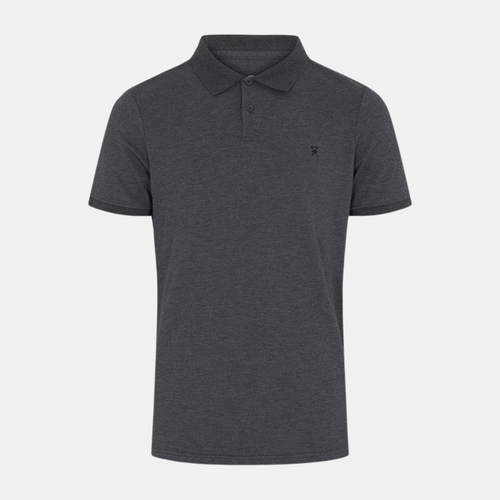
A stretch figure without a force is meaningless, because anything can be stretched if you pull hard enough. That is why measurements always use a fixed load, so figures from different fabrics can be compared. If you ask about stretch, ask about the force too. See our bamboo polos for men, where the fabric should follow the body.
Recovery is the most important number
More important than how far a fabric can stretch is how much of its length it gets back. This is called recovery, and it decides the fit over time. A fabric that gives a lot and returns fully feels comfortable day after day. A fabric that only stretches ends up hanging.
Elastane and structure work together
Stretch does not come from elastane alone. The knit structure, meaning how the yarns are looped, also matters a great deal. An open structure leaves more room to move than a dense one. That is why two jerseys with the same elastane share can behave differently when pulled, and why the data sheet is more precise than the label.
When stretch is not the goal
Not every product needs much stretch. A towel or a sheet mainly has to hold its shape, while a sheet that fits over a mattress can benefit from some elasticity. Read more about bamboo split sheets and bamboo towels and how they are used every day.
How to check stretch at home
You can do a rough test without equipment. Measure ten centimetres on the garment at rest, pull with ordinary force and measure again. Then let go and see whether the length returns. It does not give an exact figure, but you get a feel for stretch and recovery when you compare two garments.
Stretch without recovery
Plenty of stretch without recovery gives a garment that sags, especially at the knees, elbows and waistband. You notice it after a few hours, when the fabric no longer sits close. It is a reason to choose a fabric with moderate stretch and good recovery over one that is simply very elastic.
Choose by use
For close fitting clothes, moderate stretch with good recovery is best. For looser clothes and home textiles, stability matters more than stretch. Read the data sheet with care, ask about both force and direction, and compare only figures measured in the same way, so that you get a reliable picture.
Frequently asked questions
How much stretch does a typical jersey have
Fifty to one hundred percent crossways, depending on elastane and structure. Lengthways the figure is often lower, because the loops sit in rows and give less.
Can I measure stretch at home
Roughly, yes. Measure ten centimetres, pull with ordinary force and measure again. Then let go and see whether the fabric returns. It gives a feel, not an exact figure.
Is a lot of stretch always good
No. A lot of stretch without recovery gives a garment that sags, especially at the knees, elbows and waistband, after a short time in use.