What thread count means on bedding
Short answer: Thread count is the number of threads per inch in the weave. A higher number often means a denser fabric, but the number can be counted in several ways. Here we explain what it covers, what a useful number is and what to look at instead.
What thread count is
Thread count is a measure of how densely a fabric is woven. It is given as the number of threads per inch and is often used in marketing bedding. It sounds like a simple yardstick for quality, but reality is more nuanced, because the number can be worked out in different ways.
Warp and weft
A woven fabric has warp threads running lengthways and weft threads running across. Thread count adds the two together within one inch of fabric. A fabric with a hundred warp threads and a hundred weft threads per inch has a count of two hundred. The more threads, the denser the weave.
When plied threads are counted singly
If plied threads are used, the maker can count each single strand in the ply. The number then rises without the fabric becoming denser or better. That is one reason two sets of bedding with very different counts can feel alike. The number is only useful if you know how it was counted.
What a useful number is
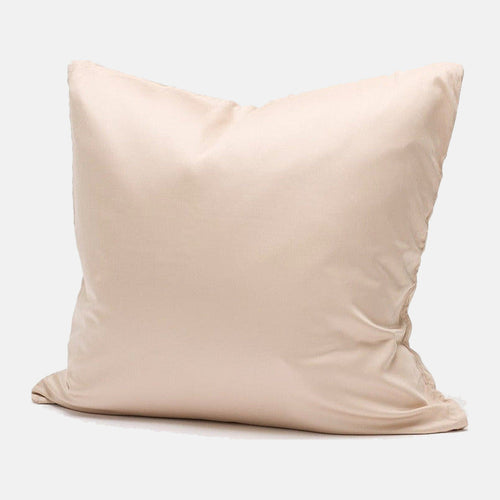
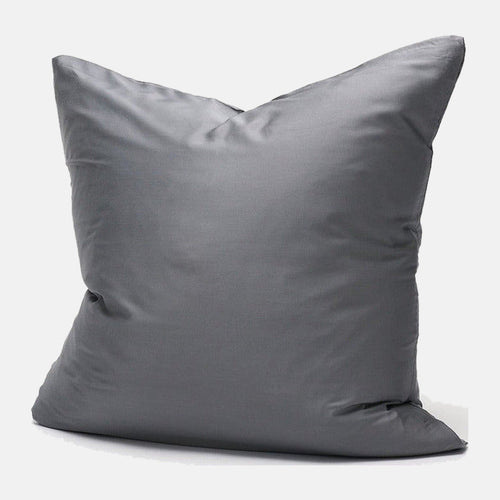
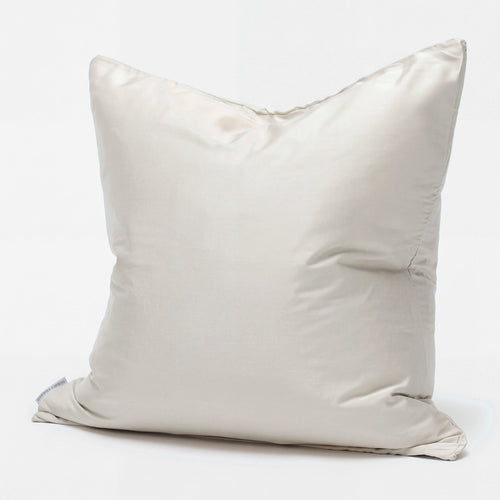
A thread count between 200 and 400 covers most good bedding. In that range the fabric is dense enough to feel solid and smooth, yet airy enough to be pleasant to sleep in. See for example bamboo fitted sheets to get an impression of what everyday bamboo bedding looks like.
Over 800 is rarely quality
Thread counts over 800 usually reflect counting technique rather than quality. There is a limit to how many threads you can press into an inch before the fabric turns stiff, so very high numbers should be taken with a pinch of salt. A higher number does not guarantee better sleep.
The type of weave
The weave has a great effect on how bedding feels and behaves. Percale is cool and matte, while satin is smooth and a little warmer. Two sets with the same thread count can therefore feel quite different, because the thread is laid differently. See bamboo sheets and compare for yourself.
The type of fibre
The type of fibre matters at least as much as thread count. Cotton, bamboo viscose and linen each have their own traits in softness, moisture uptake and temperature. A fabric of good fibre with a modest count can easily feel better than a high count in a fibre that is less pleasant on the skin.
Fabric weight
The weight of the fabric in grams per square metre says something about how much material is in the bedding and how it drapes. Together with weave and fibre it gives a more honest picture than thread count alone. Look at all three when you choose, for example with bamboo pillowcases.
Thread count applies only to woven bedding
Thread count is a concept only for woven fabrics, because it counts threads in two directions. Knitted bedding, such as jersey, is built from loops and so has no thread count. If you see a count on a knitted product it is not a real measure, and you should look at the fabric weight and description instead.
Frequently asked questions
Is a higher thread count always better
No. Up to a point more threads mean a denser fabric, but beyond that the number says more about how it is counted than about the fabric. Look at fibre, weave and weight too.
Does thread count apply to knitted bedding
No, thread count only applies to woven fabrics. Knitted bedding is built from loops, not threads in two directions, so thread count makes no sense as a measure there.
What matters most for the feel
Fibre and weave matter more than the number. The weave decides whether a sheet feels cool and matte or soft and smooth, and the fibre decides softness, moisture and warmth.
See our range of Nordic Weaving bedding.