What to do when clothing goes static
Short answer: Static electricity builds up when dry air and friction between two materials create a charge that has nowhere to go. Moisture in the air and material choice are what actually fix the problem, not a single quick trick.
Dry air is the real cause
In winter, heated indoor air drops humidity sharply, often down to ten or twenty percent in an ordinary living room. Without moisture in the air, the charge created by friction between fabrics cannot discharge into the surroundings, and it stays trapped in the clothing until it releases as a small shock or a crackling spark.
Friction between layers creates the charge
The charge builds up when two different materials rub against each other and electrons move from one fabric to the other. The greater the difference in how well the materials hold on to electrons, the more charge builds up, which is why certain combinations of clothing feel far worse than others.
Natural materials build up less charge
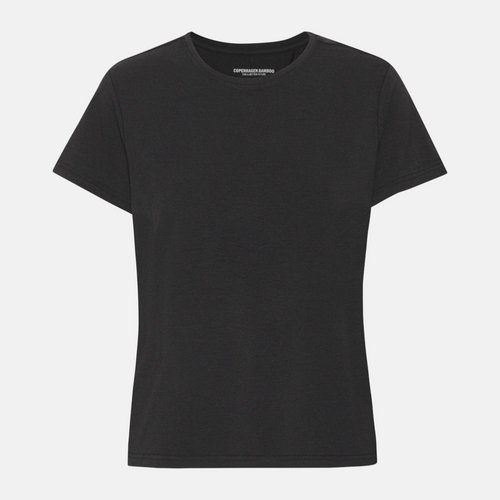
Bamboo viscose absorbs moisture directly into the fibre itself and therefore conducts charge away better than dry, synthetic fibres like polyester and acrylic. A bamboo T-shirt for women or bamboo T-shirt for men relies on that same property, which makes the material less prone to gathering static charge in everyday life.
Do not mix too many materials
The problem shows up most where a synthetic outer layer rubs against a natural layer underneath, for example a fleece jumper over a cotton shirt. Keep layers within the same family of materials where possible, and avoid very different fibres right against the skin, where friction is greatest throughout the day.
Fabric softener is a poor solution
Fabric softener actually works quite well against static electricity, because it leaves a conductive coating on the fibres. The cost, though, is that the same coating cancels out moisture transport in the fabric, and for clothing worn closest to the skin like bamboo underwear for men and bamboo underwear for women, that cost is too high.
A humidifier fixes it at the source
Higher humidity in the rooms where clothing is worn and stored removes the problem right where it actually starts. A humidifier that keeps humidity around forty to fifty percent makes a noticeable difference within just a few days, without requiring any change to the clothing or laundry routine at all.
Avoid the tumble dryer when it crackles
Tumble drying constantly rubs clothing against itself in dry, heated air, which is close to a perfect recipe for static charge, load after load. Hang clothing to dry instead, especially in winter. See washing and care for more good advice on everyday laundry.
A damp hand as a quick fix
Briefly running a slightly damp hand over the fabric can discharge the static and remove the worst crackling right before putting the clothing on. It is not a permanent solution, but it works instantly and needs nothing more than a little plain water from the nearest tap.
Metal can drain the charge away
Touching something metal, such as a door handle or a radiator, before taking clothing off or putting it on can release the built up charge gradually instead of in one noticeable shock. It is a simple trick many people use without ever thinking about why it actually works.
Frequently asked questions
Why does clothing become static in winter?
Because heated indoor air is dry, so the charge from friction between fabrics cannot discharge away. In summer the air is more humid, and the problem largely disappears on its own.
Does fabric softener help with static electricity?
Yes, but it also cancels out moisture transport in the fabric. The cost is too high on underwear and other clothing worn close to the skin, where that function matters most daily.
What is the best fix for static clothing?
A humidifier in the rooms where clothing is worn and stored. Higher humidity removes the problem at the source instead of treating the symptom every single time.
See our range of women's bamboo undershirts.