What to sleep in during winter without getting too warm
Short answer: The mistake in winter is adding warmth with thick nightwear. The better choice is a thin layer that moves moisture and a duvet that suits the room, so you neither sweat nor feel cold.
Thin clothing, the right duvet
The duvet is what keeps you warm. Nightwear only needs to keep your skin dry. A thick set makes you sweat under a warm duvet and feel cold when the sweat cools. Think of the duvet as the heat source and your nightwear as the layer that handles moisture. That makes it easier to find a balance that lasts all night.
Why you get cold after sweating
When damp fabric lies against your skin, evaporation cools you down. That is why many wake up cold at four in the morning, even though they went to bed warm. A fabric that moves moisture away from the skin prevents this, because the skin stays dry. Bamboo viscose is smooth and light and works well as the inner layer all year.
Long legs rather than thick fabric
If you want more coverage in winter, choose long legs in thin fabric rather than short legs in thick fabric. Long legs keep warmth around the ankles without collecting moisture. Choose a soft waistband that does not press when you lie on your side. See sleep pants for men and bamboo sleep pants for women.
Socks for temperature control
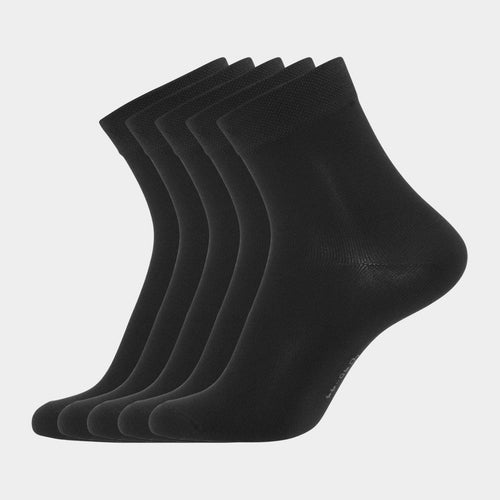
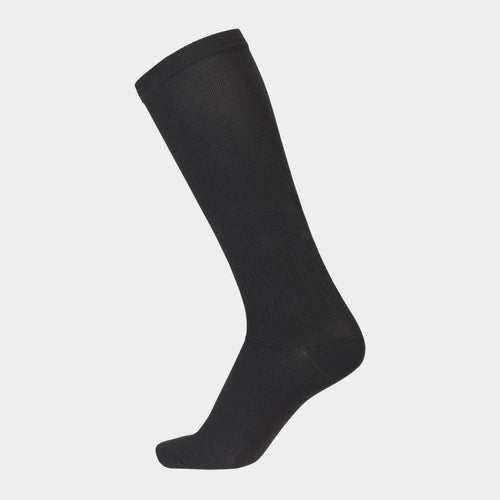
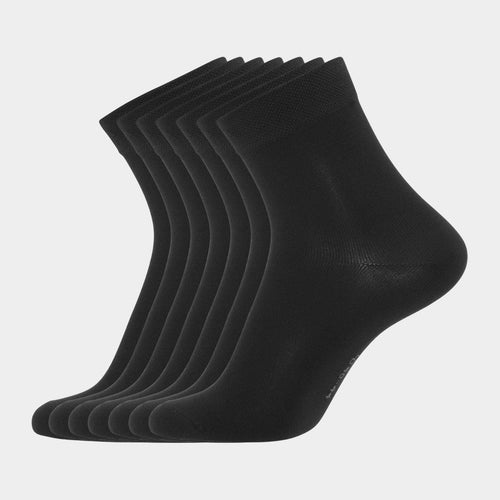
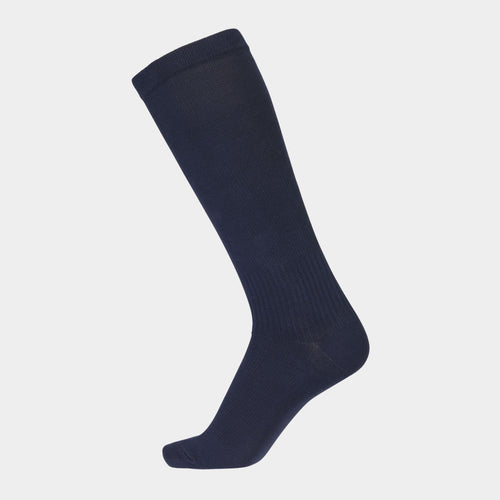
Cold feet are one of the most common winter reasons for poor sleep. A pair of thin socks often does more than a thicker top, because warm feet help the body settle. Choose socks without a tight cuff so they do not press around the ankle all night. See all bamboo socks for men.
The sheet counts too
A cold sheet feels worse than cold air, because you lie directly on it. A sheet in a soft fabric feels less cold when you get into bed, and it moves moisture away so you are not lying damp later in the night. Bedding matters as much in winter as in summer. See bamboo bedding.
The room should still be cool
Many people turn up the heating in winter and sleep worse for it. A cool bedroom at seventeen to nineteen degrees suits most people, even when it is cold outside. Air the room briefly before bed and let the duvet provide the warmth. That way you avoid waking up hot and thirsty in the middle of the night.
Layers you can remove
A thin extra blanket on top of the duvet is easier to adjust than thick nightwear. If you get warm, you push it aside without fully waking up. The same goes for a thin long sleeved top that you can take off. Thick nightwear cannot be adjusted in the same way once you are under the duvet.
Washing in winter
Nightwear worn in winter does not necessarily get less dirty than in summer, because you still sweat under the duvet. Wash it once or twice a week at 40 degrees and skip fabric softener so the fabric keeps moving moisture. Hang it to dry if you can, so the waistband keeps its shape.
Frequently asked questions
Should nightwear be thicker in winter?
No. Longer, but not thicker. The duvet should provide the warmth, while your nightwear keeps the skin dry so you do not sweat and then feel cold.
Why do I feel cold after sweating?
Because damp fabric cools the skin as the sweat evaporates. A fabric that moves moisture away from the skin prevents this and keeps you dry through the night.
Do socks in bed help?
For most people, yes. Warm feet make it easier for the body to settle. Choose a pair of thin socks without a tight cuff around the ankle.
See our range of bamboo sleepwear.