What you should know about clothes and hard water
Short answer: Hard water contains lime that binds to detergent. That means more of it is needed for the same effect, and the fabric can become stiff over time.
Lime binds the detergent
Part of the soap in every wash is spent binding the lime in the water instead of cleaning the clothes, which is what it was actually added to do. That is why hard water requires a higher dose than the detergent's cleaning power alone would otherwise call for. See washing and care.
The fabric becomes stiff
Lime deposits left behind in the fibres after every wash gradually make the fabric stiffer and less pleasant to touch over time. This is often felt most clearly in towels, because they are washed frequently and need to absorb water quickly to work well. See bamboo towels.
The dosage is on the packaging
Detergents usually state a dosage according to water hardness, split into soft, medium and hard in different fields on the packaging. Your local municipality or water supplier can tell you exactly what applies to your address and your water supply.
No more soap than necessary
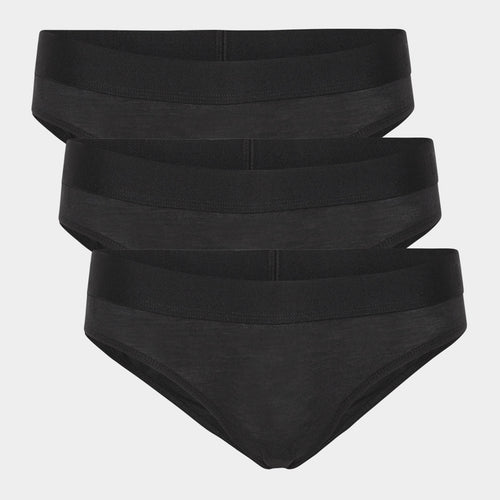
Overdosing creates its own problem with residue, even though the idea behind it is often to wash extra clean or extra thoroughly. Instead, follow the number on the packaging for the hardness level you actually have, no more and no less. See bamboo underwear for men.
Fabric softener is not the solution
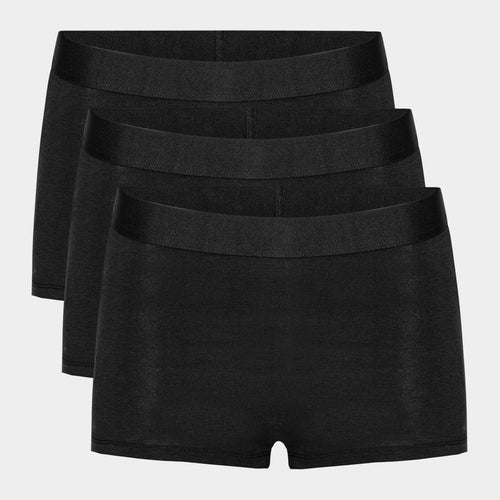
Fabric softener makes the fabric feel soft to the touch right away, but at the same time it cancels out the moisture transport, which is one of the material's most important properties. It only solves the symptom briefly and creates a new problem instead. See bamboo underwear for women.
Descaling the machine also helps
The washing machine itself collects lime over time, especially in the heating element, which can affect both the wash temperature and how well the soap actually rinses out. Descaling the machine regularly therefore improves the result, no matter how correctly you otherwise dose the detergent.
Higher temperature worsens the lime problem
Lime precipitates more easily at high temperatures, which means very hot washes can leave more lime in the clothes than a wash at forty degrees does. Choose the lowest temperature that still cleans the clothes properly if you live somewhere with hard water.
Test your own water
Many water suppliers have the figures available online, but you can also buy a simple hardness test at a hardware shop if you are unsure what applies where you live. It only takes a couple of minutes and gives you an exact number to dose by.
How to notice the improvement
After a few washes with the correct dose, the clothes will feel less stiff, and the smell from the laundry will typically fade faster. Give the change time, because the effect builds up gradually rather than from one wash to the next.
Frequently asked questions
What does hard water do to clothes?
Lime binds the detergent and can make the fabric stiff over time, especially where the fabric needs to absorb water quickly, such as towels and underwear.
Should you use more detergent in hard water?
Yes, follow the dosage on the packaging for your water hardness. Your local municipality or water supplier can tell you the exact hardness level for your address.
Does fabric softener solve the problem?
No. It makes the fabric feel soft briefly, but it cancels out the moisture transport, which is one of the material's most important properties.
You can find the full range at Bamboo-Clothing.com.