What you should know about clothing and temperature regulation
Short answer: Clothing does not regulate temperature by itself. It controls how quickly heat and moisture leave the skin, and that mechanism is what feels like regulation.
The heat comes from the body
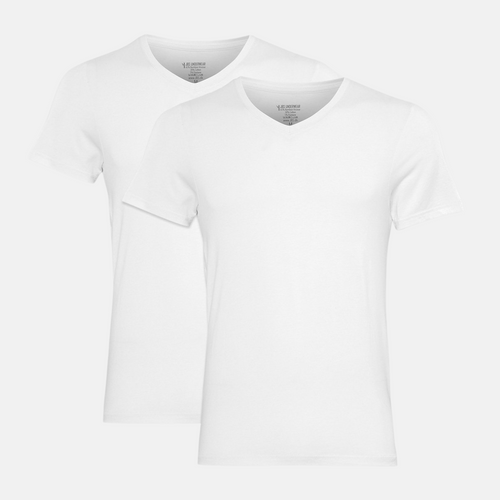
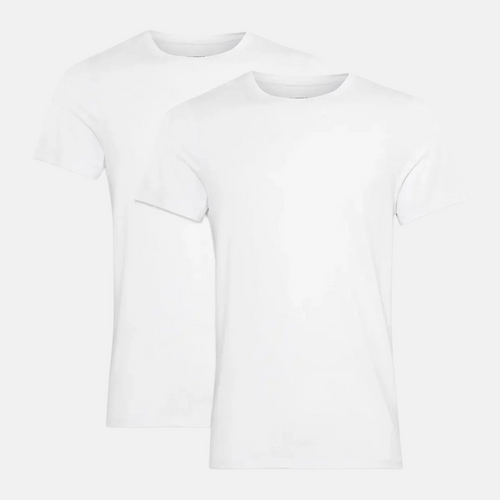
No fabric produces heat on its own. A garment can only hold on to the heat your body already makes, or let it escape faster than it otherwise would. That is why the choice of material often matters more than thickness alone, even though thickness is what most people notice first. See bamboo underwear for men.
Air is what insulates
Insulation means still air, not the weight or density of the fabric itself. Air trapped in and between layers slows the loss of heat from the body. That is why two thin layers often keep you warmer than one thick one, no matter how heavy the fabric feels when you touch it in the shop. See bamboo underwear for women.
Moisture is what cools
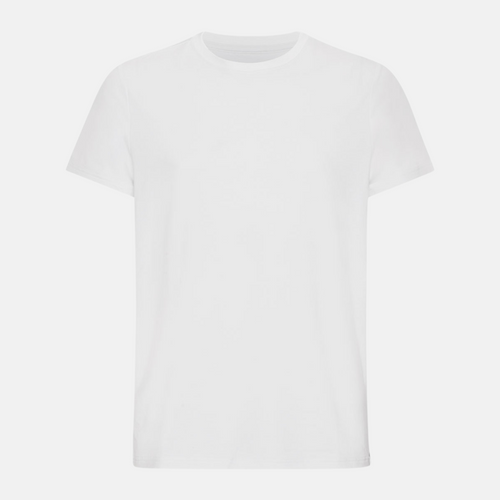
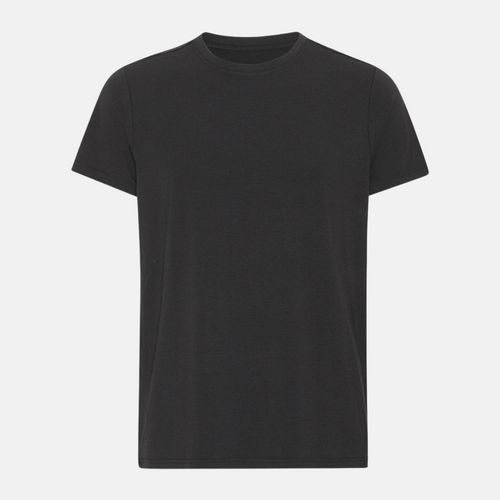
Evaporation pulls heat away from the skin the moment moisture turns from liquid into vapour. A fabric that moves moisture off the body and into the air is actively cooling you while you sweat, instead of just sitting passively on the skin holding the dampness in place. See bamboo T-shirts for men.
That is why the same fabric works both ways
When you sweat, the fabric cools you by carrying the moisture onward into the surrounding air. When you do not sweat, the same fabric insulates instead, holding on to your own body heat. The material is not doing two different things, it constantly adapts to how much heat and moisture actually needs to leave the body.
Fabric softener cancels it out
A film of fabric softener coats the outside of the fibre and blocks moisture transport almost completely. That removes half of the mechanism that makes a fabric feel regulating against the skin. Read more about getting it right in our washing and care guide before you wash your clothes at home again.
Layers beat thickness
Several thin layers give you more control than one thick layer ever can. You can remove a layer as soon as you warm up, avoiding needless sweating in clothing that cannot keep up with your activity. See bamboo bedding as an example of a light, breathable layer that works well on its own.
Activity level shapes the choice
Resting still for most of the day benefits most from insulation rather than moisture transport. Moving a lot and sweating often benefits most from a fabric that moves moisture away quickly. Most days actually require both at different points, which makes a versatile material more practical than one that is extremely warm or extremely thin.
The material's role at night
Body temperature drops naturally at night, and too much insulation can make for an uncomfortably warm and sweaty sleep. A fabric that can also move moisture away from the skin helps keep an even temperature through the night, so you wake up neither sweaty, cold, nor restless.
How to keep the effect through washing
Always wash at the recommended temperature, use the correct amount of detergent, and skip fabric softener entirely with this kind of clothing. That way the fibres keep their ability to move moisture and air onward, instead of slowly becoming denser and less effective with every wash you run at home.
Frequently asked questions
Can clothing regulate temperature?
Not by itself. It controls how quickly heat and moisture leave the skin, and that effect is what people experience in everyday life as temperature regulation of the body.
What provides insulation?
Still air trapped in and between the layers of clothing. That is why two thin layers are often warmer than one thick one, since more air layers form between the fabrics.
Why does evaporation cool you down?
Because moisture turning from liquid into vapour pulls heat away from the skin at that exact moment. The faster the moisture evaporates, the more noticeable the cooling on the body becomes.
You can find the full range at Bamboo-Clothing.com.