When the fabric matters more than the cut
Short answer: For garments that should drape, the fabric matters most. For garments that should fit close, the cut matters most. Once you know which kind of garment you are looking at, you know what to check first.
Fabric or cut
The question of fabric or cut has no single answer, because it depends on the job the garment does. A piece that should hang freely gets its look from the material. A piece that should follow the body gets it from the construction. Telling the two kinds apart means you do not pay for the wrong thing or end up disappointed.
Where the fabric decides
Fabric decides for dresses, loose trousers and anything meant to hang freely. A soft fabric falls in vertical folds, while a stiff one stands away from the body. The cut cannot rescue a fabric that behaves badly, so here you should feel the fabric before you study the details. See bamboo dresses.
How a soft fabric falls
A fabric that drapes well hangs in soft vertical folds and follows the movement of the body instead of standing stiffly out. It gives a calm silhouette that looks well fitted even when the cut is not exact. Take the fabric between your fingers and let it fall over your hand, and you feel at once how it behaves.
When the fabric is too stiff
A fabric that is too stiff builds outwards from the body and makes shapes that were never intended. That is especially true of dresses and loose trousers, where there is a lot of fabric to control. Washing can soften it a little, but the basic character stays. So choose fabric with care when a piece should hang freely.
Where the cut decides
The cut decides for shirts, jackets and anything meant to follow the body. Here the placement of seams and darts decides how the piece sits on the shoulders, chest and waist. A good fabric in a poor cut never makes a good garment. See bamboo shirt for men, where fit from shoulder to cuff matters most.
Seams and darts
Seams and darts are the skeleton of the garment. If the shoulder seam sits right and the side seams follow the lines of the body, the piece fits well without pulling. If they are placed crookedly, even the best fabric does not help. Check whether the pattern on a striped or checked piece meets at the seams, as that often shows careful cutting.
How to feel the difference
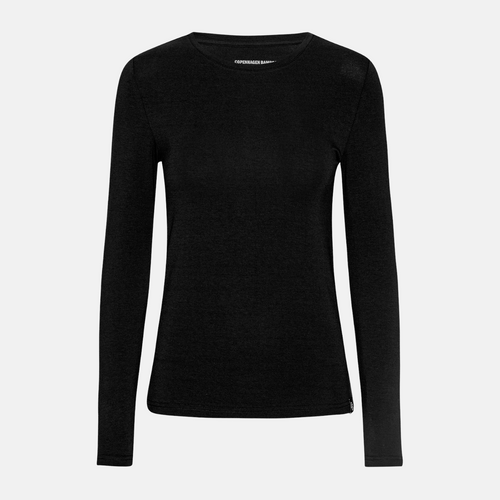
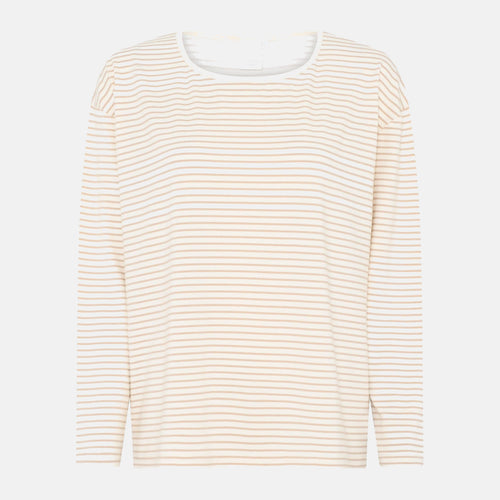
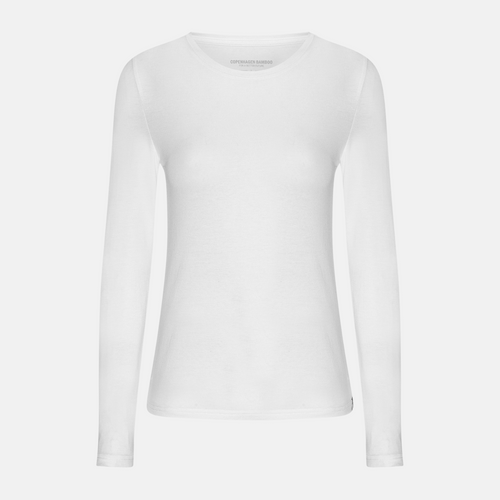
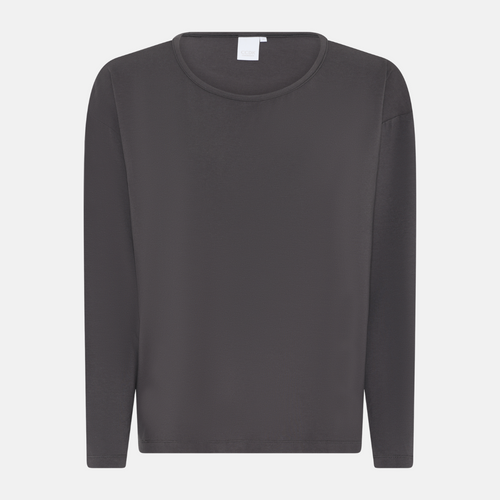
Hold the garment by one shoulder and see how it hangs. If it falls in straight folds, the fabric is doing the work. If it keeps its shape and follows the lines of the cut, it is the construction. Then try it on and move around. See bamboo dresses and women's long sleeved bamboo t-shirt.
Bamboo viscose and drape
Bamboo viscose drapes well, and that is one reason the fabric is used for dresses. It hangs softly and follows the body without clinging. But here too the result depends on how the fabric is knitted or woven and how thick it is. Read the product description for the material composition, and feel the fabric if you can.
What fabric cannot do
Even a lovely fabric cannot save a cut that does not suit your body, and a perfect cut cannot give a stiff fabric a soft character. So it is wise to think about both, but to let the job of the garment decide which weighs more. That gives you a piece that looks good and feels right.
Frequently asked questions
How do you know if a fabric drapes well?
It hangs in soft vertical folds rather than standing away from the body. Hold one corner of the fabric in your hand and see how the rest hangs down and follows gravity.
Does bamboo viscose drape well?
Yes. That is one of the reasons it is used for dresses. The fabric hangs softly and follows the body, though thickness and the knit or weave still affect the result.
Can a stiff fabric be softened?
A little with washing, but the basic character stays. A stiff fabric stays largely stiff, so choose a soft one from the start if the garment is meant to drape.
You can find the full range at Bamboo-Clothing.com.