Where the bamboo for clothing comes from
Short answer: Most of the bamboo used for textiles is grown in Asia, mainly in China. The plant is a grass that grows fast and shoots up again on its own after harvest.
A grass, not a tree
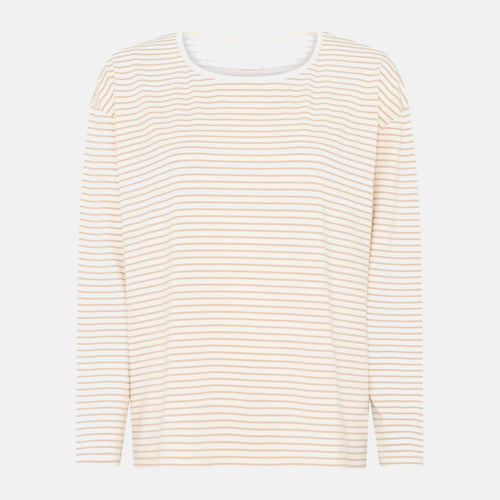
Bamboo is botanically a grass, even though the tall stalks can give the impression of something more tree like. That means the plant shoots up again from the root after harvest, instead of needing to be planted again each time. See bamboo clothing for women for examples of how the fibres end up as soft fabric.
The climate in Asia suits the plant
Bamboo thrives best in a warm, humid climate with plenty of rainfall, which large parts of Asia offer. That is one reason cultivation has historically been concentrated there, alongside a long tradition of using the plant for everything from building to everyday tools.
Growth and harvest without replanting
The species used for textiles can be harvested after just a few years, which is fast compared with many trees used for other fibres. The root stays in the ground, and new shoots come up on their own in the following seasons, without needing to be replanted between each harvest.
From plant to fibre is a chemical process
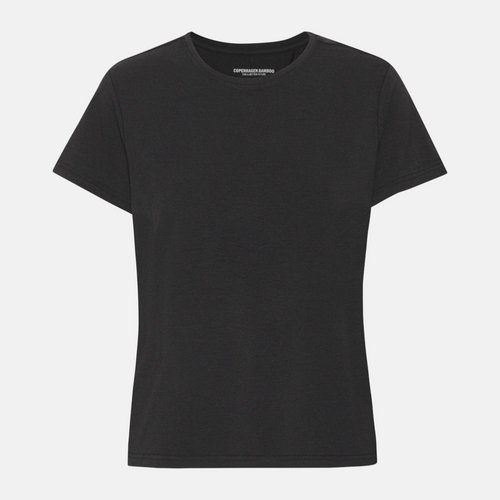
After harvest, the stalks are chopped and dissolved chemically into a pulp, which is then spun into thread. This process is why the finished material in the garment is called viscose rather than bamboo, even though the plant is the raw material. See bamboo t-shirt for women for an example of the finished fabric.
Many steps from field to shop
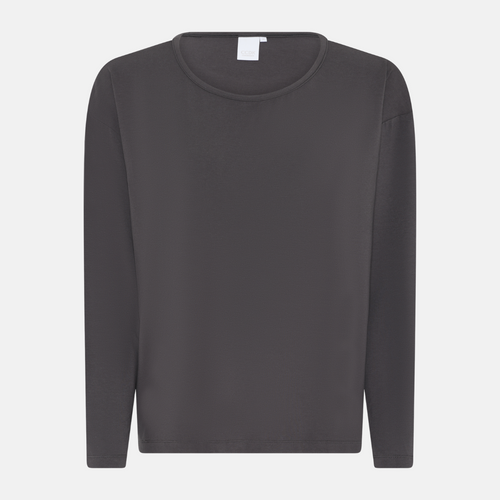
From the bamboo field to the finished top, the material passes through several steps, where the stalks are first harvested, then processed into viscose pulp, and finally spun, woven or knitted into fabric. Each step can happen in a different place, so processing often occurs somewhere other than the growing itself.
Certifications say something about the forest
A certification such as FSC says something about how the forestry the bamboo comes from is managed, including whether new growth is planted and whether the area is run with future years in mind. See FSC certified products to see how this label is used across different materials.
Rainfall is often enough for growth
Because bamboo grows fast by nature, cultivation typically needs less artificial watering than many other crops, especially in areas with plentiful rain through most of the year. That makes the plant's growth easier to manage than crops that depend more heavily on active irrigation throughout the season.
Processing can happen in several places
Even though cultivation mainly happens in Asia, the spinning and weaving of the finished fabric can take place in other factories, depending on where each brand's suppliers are based. That means two products made from the same raw material can pass through different processing chains before ending up as finished clothing.
Why the origin matters
Knowing where the bamboo comes from and how it is processed gives a better understanding of why the material feels and behaves the way it does in the finished fabric. It is also the reason some producers choose to document cultivation with a certification as described above.
Frequently asked questions
Where is bamboo for clothing grown?
Mainly in Asia and primarily in China, where both cultivation and a large part of the processing typically take place.
Is bamboo a tree?
No, it is a grass. That is why the plant shoots up again from the root after harvest, without being replanted each time.
How fast does bamboo grow?
The species used for textiles grow fast and can often be harvested after just a few years.
You can find the full range at Bamboo-Clothing.com.