Why dense stitching is not always strongest
Short answer: Every needle makes a hole in the fabric. If the sewing is too dense, the holes end up so close together that the fabric becomes weaker than the seam holding it. A dense seam is therefore not always the strongest, especially in thin knitwear.
The seam is also a perforation
Think of a sheet of stamps. Rows of close holes make it easy to tear right there, and the same principle applies in thin knitwear. Each needle stitch takes a little strength from the fabric, and many in a row can make the whole line weaker than the fabric around it. See bamboo sweatshirt for women.
Why fewer stitches are chosen in thin fabric
In fine fabrics the stitches are set further apart and with a thinner needle. The seam becomes a little weaker in itself, but the fabric is not ruined, and that is the best trade. The aim is a seam that lasts daily use without harming the fabric, and that takes a deliberate choice of stitch.
Needle thickness matters just as much
A needle that is too thick makes large holes whatever the stitch count. You see it as small rings along the seam when the fabric is stretched, and the holes can stay visible. A thin needle pushes the threads aside instead of cutting them, and the fabric closes better around the thread afterwards.
What the damage looks like
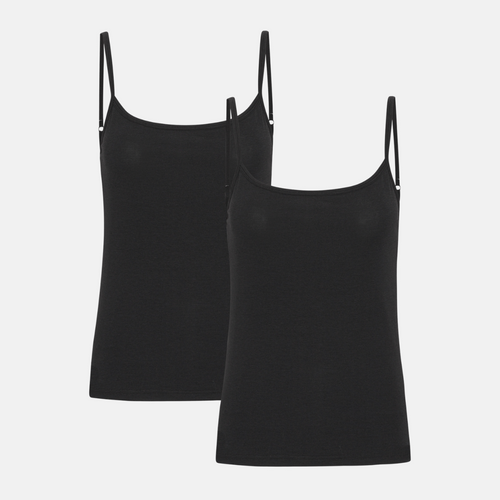
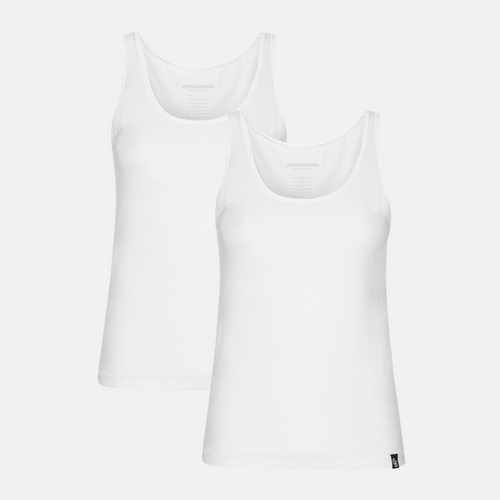
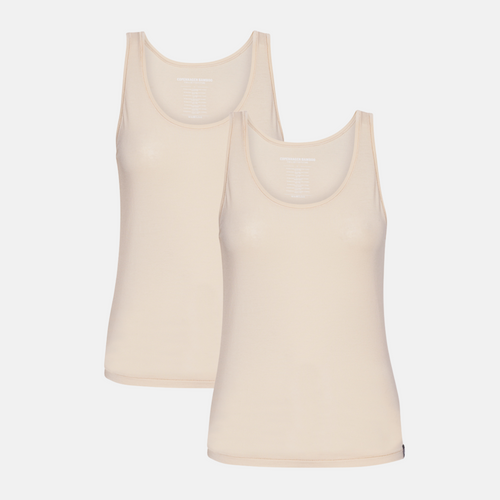
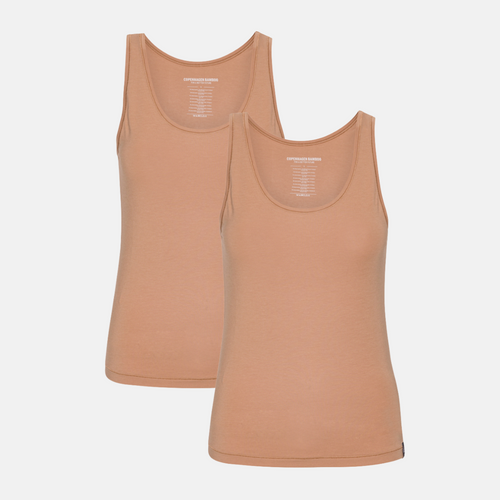
Damage from stitches that are too close shows as a row of small holes along the seam, especially when you stretch the fabric gently. Sometimes the stitches stand like a clear line where the fabric is almost cut through. That signals the fabric is weakened right there and may tear at the next strong load. See bamboo panties and bamboo undershirt for women.
Why clothes often tear at a seam
When clothes give up, it often happens right at a seam. The explanation is that the fabric is weakened by the needle holes exactly there, and the force gathers along that line. Even an otherwise strong fabric can give way along a row of holes, which is why the seam so often is where a garment starts to wear.
How to avoid it at home
If you sew thin knitwear yourself, use a thin jersey needle and do not sew closer than necessary. A jersey needle has a rounded tip that slides between the threads instead of cutting them. Choose a thread that suits the fabric thickness, and test on an offcut first to see how the fabric reacts.
What the number does not tell you
A high stitch count can sound like care, but the number alone does not say whether the seam is good. If the stitches are too close for the fabric, the result can be the opposite of what was wanted. What matters is that stitch density, needle and thread suit the fabric being sewn.
What it means for your clothes
If a garment has a seam that has begun to give, you can stretch it gently and look at how the holes sit. If they are close, the fabric is weakened, and a repair should lie a little beside the old seam, where the fabric is still whole. That way you avoid new holes on top of old ones.
How to think about it from now on
Next time you look at a seam, remember that it both holds the fabric together and weakens it a little. The good result lies where the two are in balance. A seam set with thought for the fabric thickness lasts longer than one that is merely dense, in new garments and in repairs alike.
Frequently asked questions
How can I tell whether the fabric is damaged by the sewing?
Stretch the seam gently and look for a row of small holes along the stitches. If the holes stand close and clear, the fabric is weakened right there.
Can I avoid it at home?
Yes. Use a thin jersey needle, choose a thread that suits the fabric and do not sew closer than necessary, so the holes have room between them.
Why do clothes often tear right at a seam?
Because the fabric is weakened by the needle holes exactly there and the force gathers along the seam, so it is often the first place clothes give way.
You can find the full range at Bamboo-Clothing.com.