Why elastic gets tired
Short answer: Each time elastic is stretched, some of the bonds that pull it back break. Most form again, but a small part do not, and over time the loss adds up. That is why elastic in waistbands and cuffs slowly goes slack, even if the garment looks barely used.
Bonds that do not come back
With each stretch, some molecule chains slide past each other instead of stretching. They do not find their way back to their original place. It only happens to a small share each time, and you do not notice from day to day. After many stretches, though, the difference is big enough that the garment sits looser.
The loss adds up
Each single stretch takes almost nothing. It is the sum that makes the difference. Elastic is like a spring that loses a little force every time, and after many times the force is clearly lower. You notice only when the garment no longer sits as it used to.
Heat and chemistry speed it up
High temperature, sweat and chlorine break the bonds faster than use alone. That is why the tumble dryer is hard on elastic, as the heat works together with the movement in the drum. Washing and drying therefore matter a great deal for how long the elastic lasts. See bamboo sweatshirt for men.
Why it happens in waistbands first
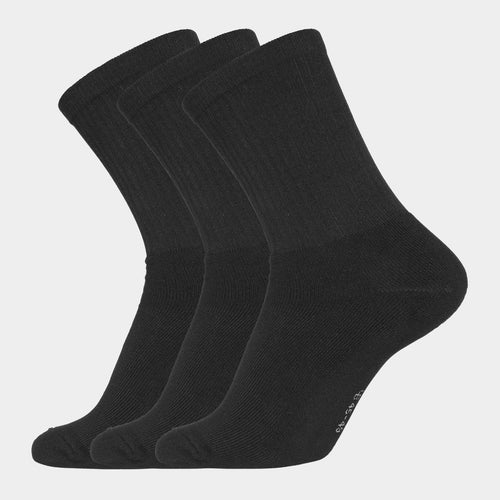
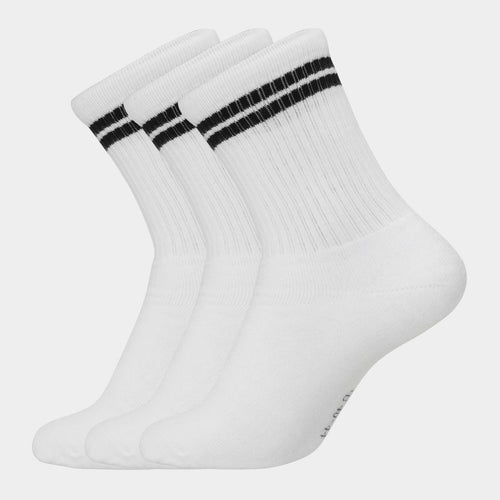
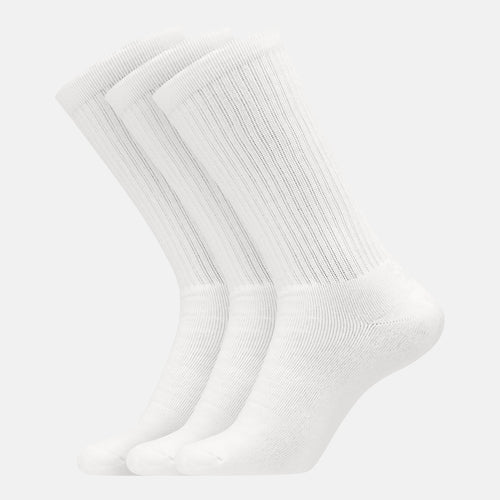
The waistband is stretched every time the garment goes on and off, and it is held stretched all day. No other part works so hard. So the waistband often gives up first, long before the fabric is worn. Socks, sweatshirts and inner shorts all have elastic at the edge. See bamboo tennis socks for men.
How long does elastic typically last
One to three years with daily use, depending on washing and drying. That is an estimate, not a guarantee, as each item depends on use and care. Wash cool and avoid the tumble dryer, and you are at the long end. Wash hot and use the dryer, and you are at the short end.
Can tired elastic be revived
No. The damage is chemical and cannot be undone. You cannot wash or iron the elastic back to its old shape. What you can do is slow the process with good habits and replace the garment when the waistband can no longer hold it up.
What extends the life most
Cooler washes, no tumble dryer and rest between wears. These three habits make the biggest difference. Also wash the garment with similar clothes, so friction does not strain the edges needlessly, and hang it to dry instead of wringing it. It takes no longer, and the elastic keeps its tension for longer.
Avoid chlorine and strong chemicals
Chlorine in pool water and strong cleaners attack the bonds in elastic. Rinse the garment in clean water after swimming and wash it soon after. Do not wash elastic with bleach, and do not leave damp clothes in a bag where sweat and moisture have time to work.
How to tell the elastic is giving up
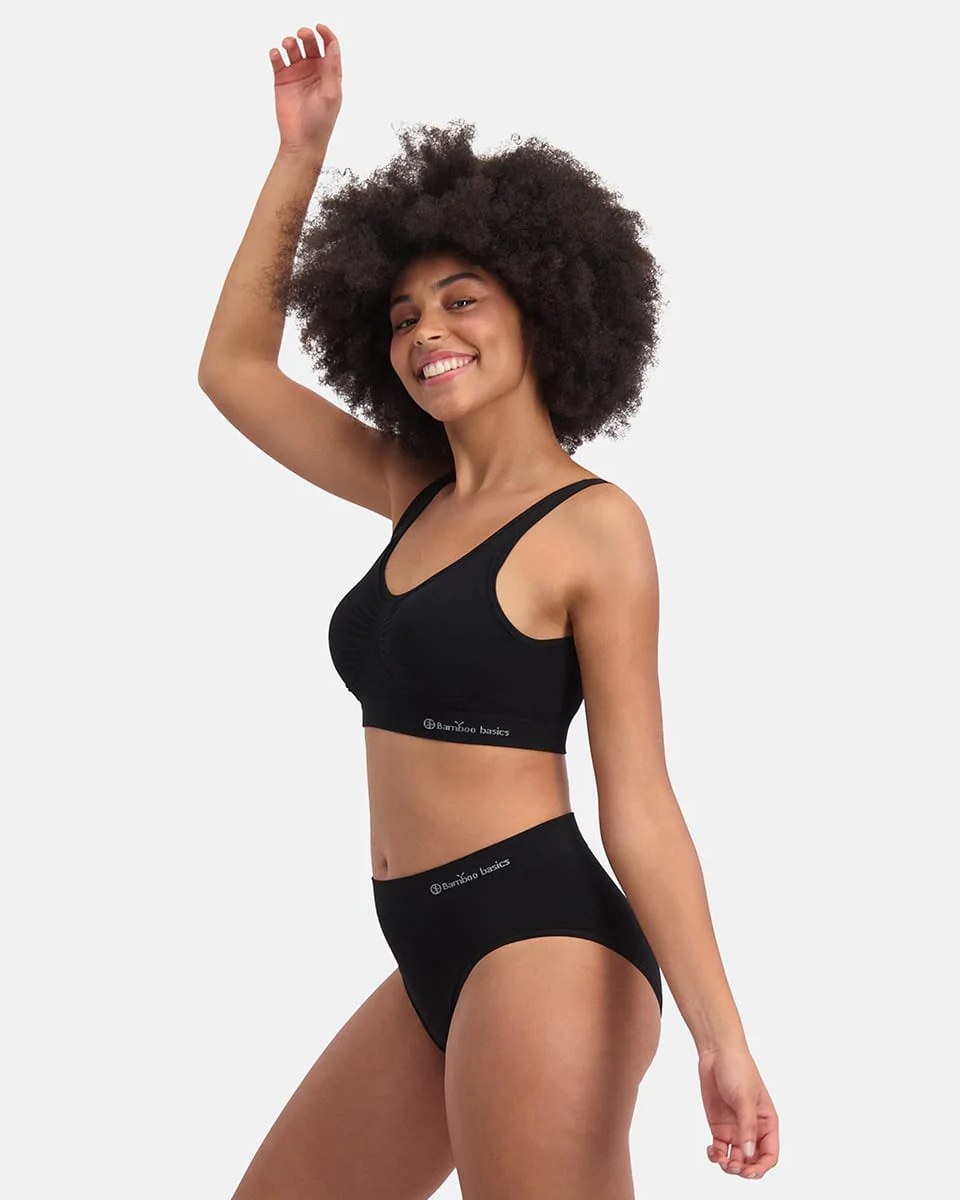
The waistband no longer sits where it should, and you pull the garment up more often. The edge of a sock rolls down, or the cuff of a sweatshirt hangs slack. These are signs that bonds have broken and the elastic has lost its tension. See bamboo inner shorts.
Frequently asked questions
How long does elastic typically last
One to three years with daily use, depending on washing and drying. Cooler washes, no tumble dryer and rest between wears put you at the long end.
Can tired elastic be revived
No. The damage is chemical and cannot be undone, so neither washing nor ironing brings the elastic back to its old shape. Good habits can only slow the process.
What extends the life most
Cooler washes, no tumble dryer and rest between wears. Also avoid chlorine and strong cleaners, which attack the bonds faster than ordinary use. These habits matter most.
You can find the full range at Bamboo-Clothing.com.