Why side seams are sometimes left out
Short answer: If the fabric is knitted in a tube of the right width, there is no edge to sew together at the side. That saves a step and removes a seam that can rub. The trade-off is that the garment cannot be shaped in at the waist in the same way.
The tube replaces two seams
A circular-knit tube has no ends along its length, because the machine knits round and round in one continuous path. The body can therefore be cut from a single piece, where flat fabric would need a seam on each side. That is the whole reason some garments have no side seam.
What you gain
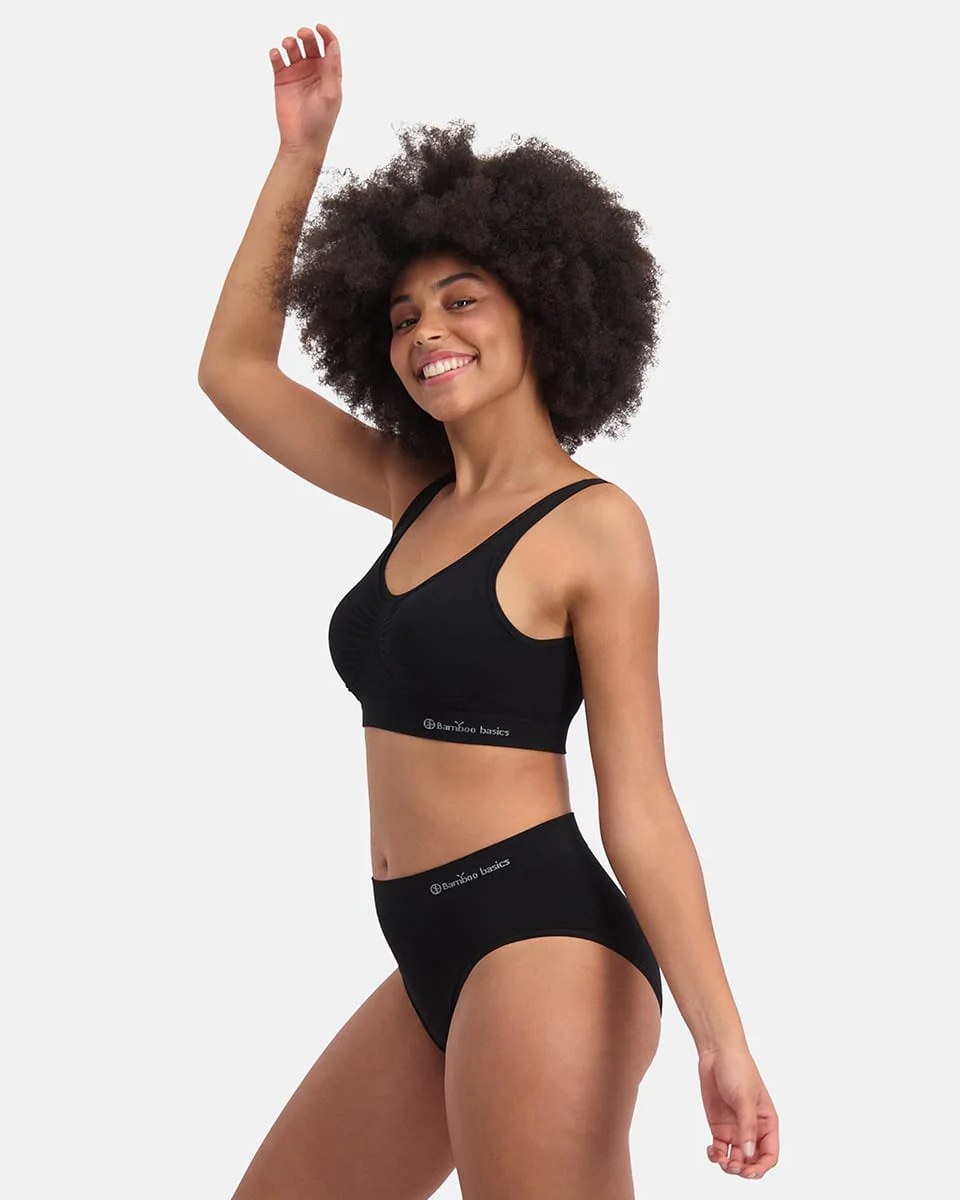
With no side seam there is no line under the arm and nowhere for the fabric to pull crooked or press lightly on the skin. It is most noticeable in close-fitting clothes, where a thick seam would otherwise sit as an edge under the arm all day. To compare, see bamboo sweatshirt for women.
What you lose
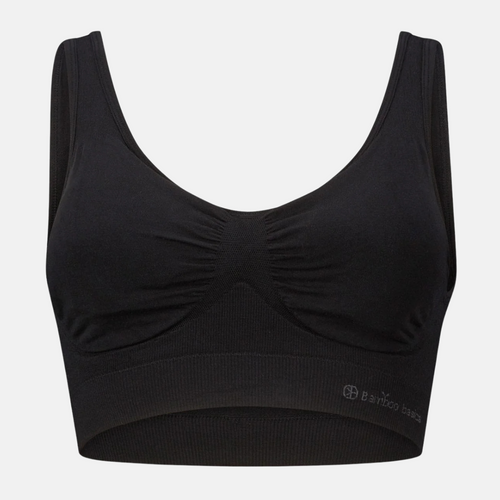
Without a side seam a garment cannot be shaped in at the waist, and the fabric may turn slightly around the body over time. The seam is what gives a garment its shape. That is why tube knit is mostly used in straight cuts. See also bamboo panties and bamboo bra without underwire.
Why it is often cheaper
When two seams are saved on each garment, both the sewing time and the number of places where something can go wrong go down. That can lower production cost, but it does not guarantee a low shop price. Material, knit quality and brand often matter more than the number of seams, so look at the whole picture.
Why pricier clothes often have side seams
Seams make it possible to shape clothes to the body, so they sit close at the waist and widen over the hips. That takes more pieces of fabric and more skill in the sewing. Many fitted styles therefore keep side seams, and that is a choice the designer makes for fit rather than price.
How to check for yourself
The product page rarely says whether there is a side seam, so you have to look. Turn the garment inside out and see whether a seam runs from armhole to hem. If you see none, it is probably knitted in a tube. If you see one, the fabric was cut flat and joined.
Comfort against the skin
Seams can rub if they are thick, stand up or sit where the arm moves all day. Flat seams and tube knit lower the risk, but skin differs from person to person. If you dislike a certain seam, try clothes without it. If you have skin problems, talk to your doctor.
Washing and shape
Tube knit can tend to twist a little in the wash, because no seam holds the fabric in place. Follow the care label, lay the garment flat to dry and gently pull it into shape while damp. That helps the fabric keep its form, whether or not it has a side seam.
What to choose
If you want clothes that sit loosely and feel soft, tube knit without a side seam is a good choice. If you want a close shape with a waist and a neat drape, side seams are an advantage. There is no single right answer, only the one that suits how you use the clothes.
Frequently asked questions
Is clothing without side seams cheaper to make
Often yes, because two seams are saved on each garment. That shortens sewing time, but it does not decide the shop price alone, since material and brand also count in the sum.
Why do expensive clothes often have side seams
Because the seams let the maker shape the clothes to the body so they sit close at the waist. That takes more fabric and more work, so it is mostly seen in fitted cuts.
Can you see it on the product page
Rarely. Turn the garment inside out and look for a seam from armhole to hem. If it is missing, the garment is probably knitted in a tube and cut from one piece.
You can find the full range at Bamboo-Clothing.com.