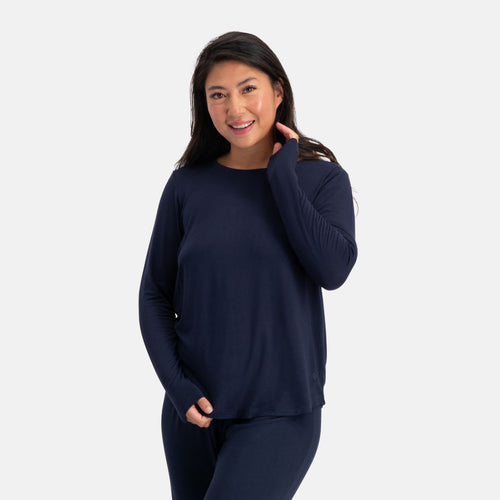
Why the spin should be lowered for knitwear
Short answer: Knit stretches, and a wet knitted garment is heavy. At high spin speeds it is pulled out of shape and pressed flat against the drum wall, so it is better to lower the speed.
Wet knit is heavy and soft
The fibres have taken up water and give more easily when wet. So the garment stretches at less force than normal. At the same time a wet knitted garment becomes much heavier, and it is that weight that pulls on the stitches when the drum flings it around. That is a poor combination.
High speeds press hard
At high speeds the laundry is pressed against the drum wall with great force. A knitted garment is pressed flat, and the stitches are pulled in the direction the force acts. After drying, the garment can be longer or wider than before, and the shape does not always come fully back.
A low spin keeps the shape
At low speeds the garment is pressed less hard and keeps its original size. More water is left behind, but that is a small price if the garment keeps its fit. See bamboo sleepwear for men, which you want to sit the same time after time.
Drying time rises only a little
The difference in drying time between a low and a high spin is smaller than most people think. Knitwear dries quickly enough when it lies flat or hangs airily, especially if you take it out of the machine at once. The extra water hardly matters if you let the garment dry calmly.
Which speed is suitable
Between six hundred and eight hundred is plenty for most knitted garments. If your machine has a programme for wool or delicates, it often uses a lower setting automatically. Check the care label if you are unsure, and choose a setting that is too low rather than too high.
What about towels and sheets
They can take high speeds, and they dry slowly, so it makes sense there. Towels and sheets are sturdy fabrics that keep their shape, and they benefit from having the water pressed out. See bamboo fitted sheets and home and homewear in bamboo.
Can I split the wash
Yes. Wash heavy and light garments separately when you can. Then you can choose high speeds for towels and sheets and low for knitwear, without one affecting the other. If you only have one machine, you can run two loads one after the other, and it is often worth doing.
How to dry knitwear afterwards
Take the knitwear out of the machine at once and lay it flat on a towel. Shape it lightly with your hands so it gets the right size. Avoid hanging heavy wet knit on a hanger or line, because the weight pulls it out. Then the garment keeps its shape and looks good for longer.
Small habits make a big difference
A lowered spin speed is a small change that makes a big difference over time. Combine it with gentle washing, sensible loading and drying flat, and you protect the shape of your knitted garments. It costs nothing and takes a few seconds to set on the machine.
Frequently asked questions
Which speed is suitable
Between six hundred and eight hundred is plenty for most knitted garments. If you are unsure, check the care label in the garment and choose a lower setting rather than a higher one.
What about towels and sheets
They can take high speeds, and they dry slowly, so it makes sense there. They are sturdy fabrics that keep their shape and benefit from having the water pressed out.
Can I split the wash
Yes. Wash heavy and light garments separately when you can. Then you can choose high speeds for the heavy items and low for knitwear, without one affecting the other.
You can find the full range at Bamboo-Clothing.com.