Why you sweat at night and what clothing can do about it
Short answer: Everyone sweats at night. The problem starts when sweat stays between skin and fabric instead of evaporating, and the material in your nightwear and bedding decides which of the two happens.
Sweating is normal
Your body releases moisture all night, even when you do not notice. It is part of how the body keeps its temperature while you sleep. You only notice it when the moisture cannot get away and stays on the skin. Then you wake up clammy, even though you may not have sweated more than usual.
Evaporation rather than absorption
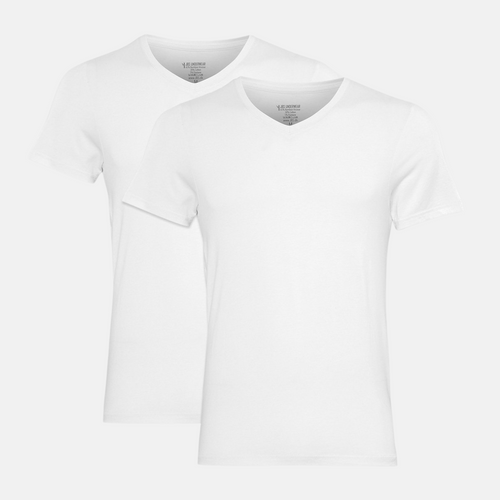
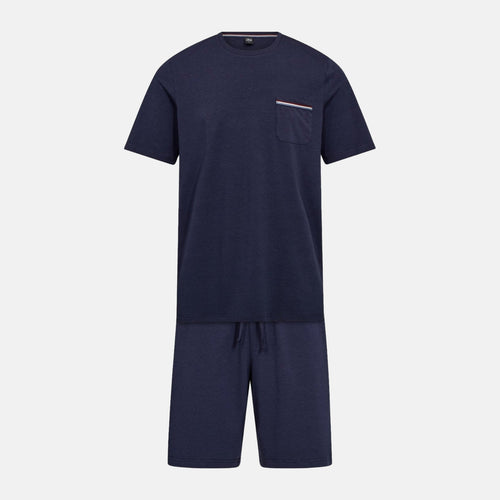
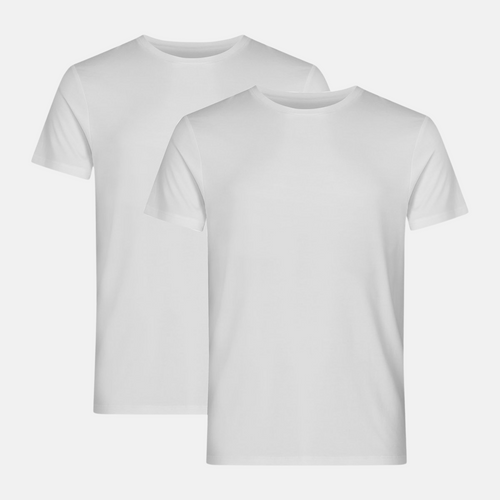
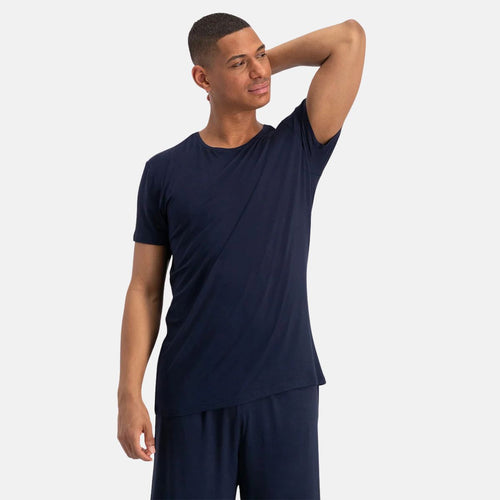
Cotton soaks up sweat and holds on to it, so the fabric turns heavy and damp against the skin. Bamboo viscose moves moisture along and releases it into the air. That is why many wake up dry rather than clammy in a thin bamboo layer. Choose a loose cut. See bamboo nightwear for men.
The layers add up
Nightwear, sheet and duvet all need to be able to release moisture. A single dense layer cancels out the others, because moisture gathers there and goes no further. If you have changed your nightwear without noticing a difference, the sheet or duvet cover is often the problem. See bamboo bedding.
The room and the duvet
A warm bedroom and a duvet that is too thick lead to more sweating, whatever you wear. Many sleep best at around seventeen to nineteen degrees. Air the room before bed and consider a lighter duvet in the warmer months. When the room is cool, your nightwear and bedding have an easier job keeping you dry.
Less fabric is not always better
It may seem logical to sleep without clothes when you sweat. For some it works, but without a layer that moves moisture, the sweat ends up in the sheet instead. Then you lie on a damp surface for the rest of the night. A thin, loose layer can therefore give a drier night than nothing at all.
Wash without fabric softener
Fabric softener leaves a coating on the fibres that stops moisture moving through every layer. Wash nightwear and bedding at 40 degrees without softener, and hang them up or dry on low heat. That way the fabric keeps its ability to move moisture wash after wash. See the full method in washing and care.
Change when you wake up wet
If you wake up soaked in the middle of the night, keep a spare set of nightwear and a dry towel by the bed. A quick change makes it easier to fall back asleep than lying in damp fabric. You can put the towel over the sheet, so you do not have to change the whole bed at night.
When it is more than heat
Ongoing night sweats without a warm cause, such as a hot room or a heavy duvet, should be mentioned to your doctor. This is especially true if it is new to you or comes with other symptoms. Clothing and bedding can make nights more comfortable, but they do not treat the cause.
Frequently asked questions
Why do I wake up soaked?
Because the moisture cannot get away. Dense layers in nightwear or bedding are the most common cause, along with a warm room and a duvet that is too thick.
Does it help to sleep without clothes?
For some people. But without a layer that moves moisture, the sweat ends up in the sheet, and you lie on a damp surface for the rest of the night.
When should you talk to a doctor about night sweats?
If you sweat heavily at night without a warm cause, or if it is new to you. Your doctor can judge whether there is something that should be looked into.