A closed loop in production
Short answer: A closed loop means that the solvent and the water are collected, cleaned and used again. The difference lies in what leaves the factory, not in the garment. That is why you usually meet the term in the product description rather than on the garment itself.
How it works
The liquid is distilled after use, cleaned and returned to the process. The water circulates in the same way, and only a small share needs replacing each time. The idea is that most stays inside the plant instead of being released, and new additions only cover what is lost along the way.
What it does not change
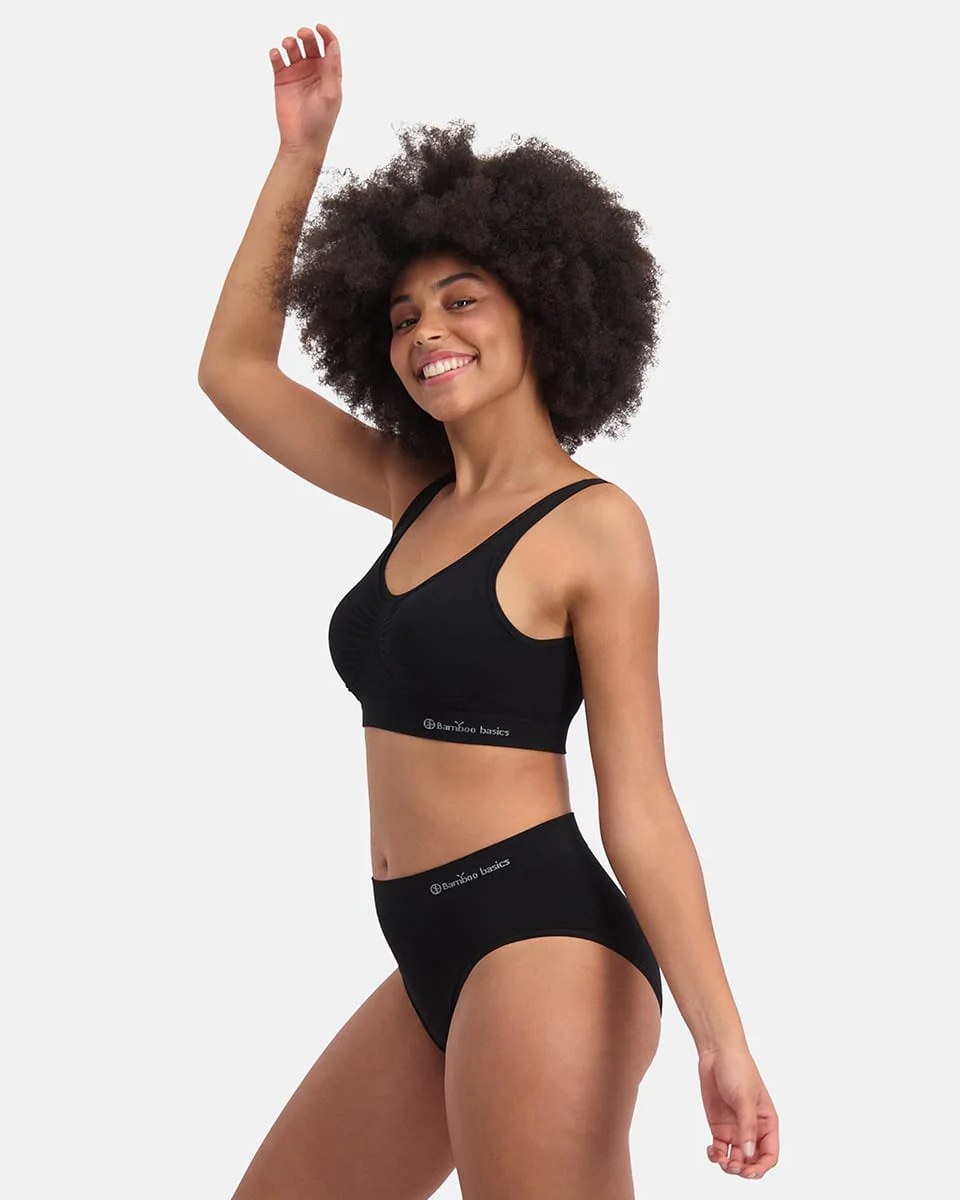
The fibre itself does not become different, and the garment feels exactly like one made in an open plant. The difference lies in what the factory releases, and you cannot feel that in the hand. It therefore becomes a question of what the producer states rather than what the garment shows. See Bamboo Basics.
Where you meet it
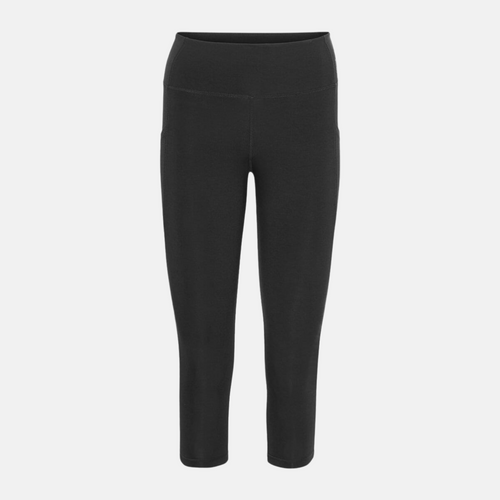
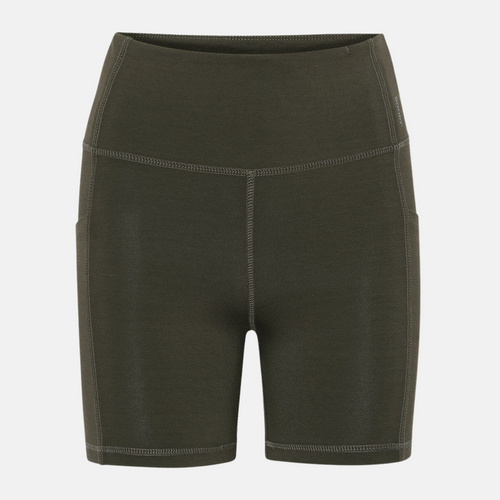
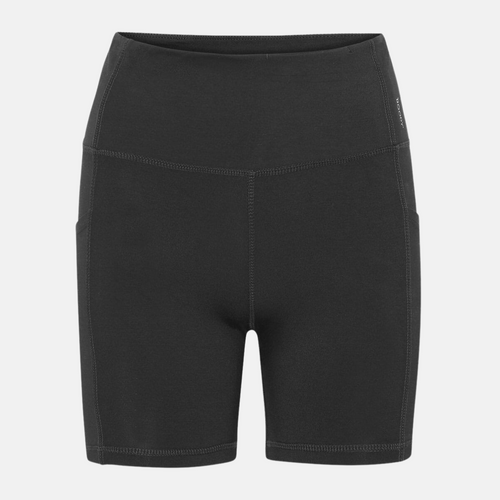
Most often you hear of it in connection with lyocell, less often with viscose, because lyocell was developed to run in a closed loop from the start. Modern viscose plants also collect a large share, though. See home and homewear in bamboo and bamboo training clothes for women for pieces in soft material.
Are all closed loops the same
No. The share that is reused varies between plants, and the phrase alone does not say how much is actually collected. A plant that reuses most is different from one that collects only a small part. That is why it helps when a producer states a concrete share and not just the phrase.
Can viscose be made in a closed loop
Partly. Modern plants collect a large part of the solvent and the water, but it is not built into the process to the same degree as with lyocell. Viscose can therefore be better or worse, depending on who made it and how the plant is run.
What the phrase does not guarantee
A closed loop says something about one link in the chain, namely making the fibre. It says nothing about growing the raw material, about dyeing and sewing, or about how long the garment lasts. If you see the phrase in a description it is a useful detail, but not the whole answer.
Can you see it on the label
No. It is stated in the product description if the producer provides it. The label in the garment usually gives material shares and care, not how the fibre was made. If you need the detail, read the description on the page, and ask the shop if nothing is stated.
How to read a description
Check whether the description names both the fibre type and the method. If it only says bamboo, you know which plant the cellulose comes from but nothing about production. If it says something about a closed loop or a certificate, you have a detail that can be looked up and checked.
Life after the factory
However the fibre was made, everyday use matters a lot. A garment that is washed gently and worn for many years weighs less in the accounts than one that is replaced quickly. Wash at a low temperature, avoid needless tumble drying, and follow the care label in the garment.
Frequently asked questions
Are all closed loops the same?
No. The share that is reused varies between plants, so the phrase alone does not say how much is actually collected and used again.
Can viscose be made in a closed loop?
Partly. Modern plants collect a large share, but it is not built into the process the way it is with lyocell.
Can you see it on the label?
No. It is stated in the product description if the producer provides it. The label in the garment usually shows material and care, not the production method.
You can find the full range at Bamboo-Clothing.com.