How viscose is made
Short answer: The plant mass is dissolved in a liquid, pressed through small holes and sets into threads. It is the same process whether the raw material is bamboo, beech or eucalyptus. The difference between producers lies in how much of the liquid is collected and reused.
The four steps
The plant mass is cleaned, dissolved, pressed through a nozzle and sets in a bath. The threads are then spun into yarn, and the yarn is knitted or woven into fabric. Each step can be done in several ways, and the producers differ in the details. From the outside it is a fairly simple chain of a few links.
Same process, different raw material
The process is the same whether the plant mass comes from bamboo, beech or eucalyptus. That means the word viscose describes the method and not the raw material. A garment can therefore be called bamboo viscose because the cellulose comes from bamboo, but the fibre is made the same way as viscose from other plants.
Where the load lies
The load lies in the solvent and in how large a share of it is collected and reused. A plant that reuses almost everything releases far less than one that does not, even though the fibre is the same. See Bamboo Basics for garments where the viscose is soft and easy to look after.
What to look for
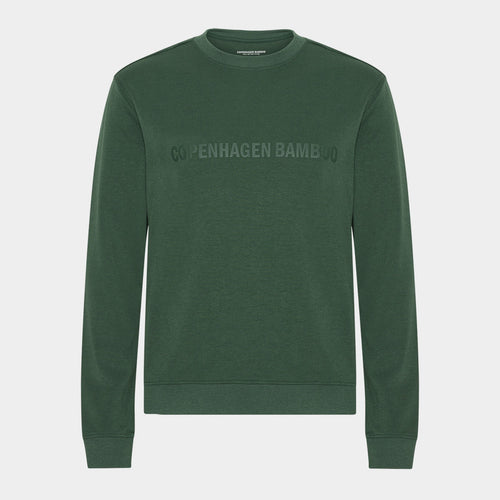
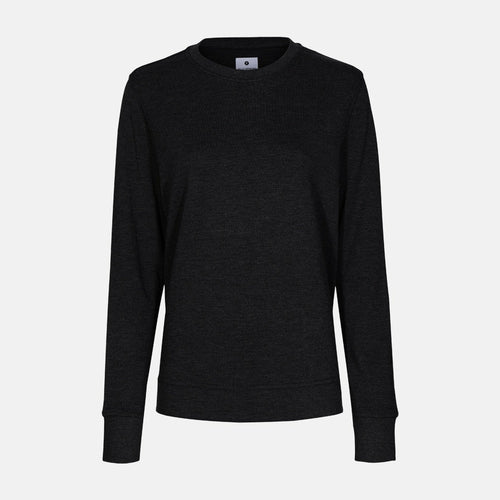
Look for whether the producer states that the plant runs in a closed loop, and whether there is a certificate on the finished product. Both details appear in the product description rather than on the label. See bamboo pillowcases and bamboo sweatshirts for women, where the material is described on the page.
Natural or manufactured
Is viscose a natural material? The raw material is natural, but the fibre is manufactured. It is therefore more precise to call viscose a regenerated cellulose fibre than a natural fibre. Cotton and linen are natural fibres because they are used as the plant has them, without the cellulose first being dissolved and reshaped.
Viscose and lyocell
Lyocell is a fibre that is also made from plant mass, but it uses a solvent that can be reused in a closed loop. The basic idea is the same as with viscose, but the method is different. That is the difference worth knowing when you read a product description.
Why the fabric feels soft
Viscose feels soft because the threads are smooth and fine and the fabric drapes heavily. That quality comes from the manufacturing and from the way the yarn is knitted or woven. Many know it from bamboo clothing, and it applies whichever plant the cellulose comes from.
Can you see the production
You cannot tell from the garment how the viscose was made. Two garments can feel the same and have very different production behind them. That is why the product description and any certificates are the best source, and why it is worth reading them before you choose.
Everyday care
Viscose is soft but can be weaker when wet. Wash at a low temperature on a gentle programme and avoid wringing the laundry hard. Lay it flat or hang it up to dry so it keeps its shape for longer. Always follow the care label in each garment.
Frequently asked questions
Is viscose a natural material?
The raw material is natural. The fibre is manufactured, because the plant mass is dissolved chemically and shaped into threads before it becomes yarn.
What is the difference between viscose and lyocell?
Lyocell uses a solvent that can be reused in a closed loop. That is the main difference in the method.
Can you see the production on the garment?
No. It is only stated in the product description, so read it if you want to know more about how the viscose was made.
You can find the full range at Bamboo-Clothing.com.