Bamboo as a raw material
Short answer: Bamboo is a species of grass that grows fast and can be harvested without the plant dying. That is the raw material's advantage, but the fibre is still made chemically. So it matters to tell the plant apart from the process that follows.
How the plant is grown
Bamboo grows quickly and shoots again from the root after harvest. It rarely needs artificial irrigation in the areas where it is grown, and it can grow on land that is not used for food. Those are the qualities that make bamboo interesting as a textile raw material, and they belong to the plant, not the finished fabric.
The root stays in place
When a bamboo stalk is cut, the root stays in the soil and sends up new shoots. The plant does not have to be sown again after each harvest, and the ground is not left bare in between. That sets bamboo apart from many crops, which must be ploughed and resown before the next harvest.
Grass, not a tree
Bamboo is a grass and not a tree, even though it can grow tall and stiff like one. That is part of the reason it grows so fast. It is also why bamboo is spoken of as a different kind of raw material from the forests the textile industry otherwise draws its cellulose from.
What happens afterwards
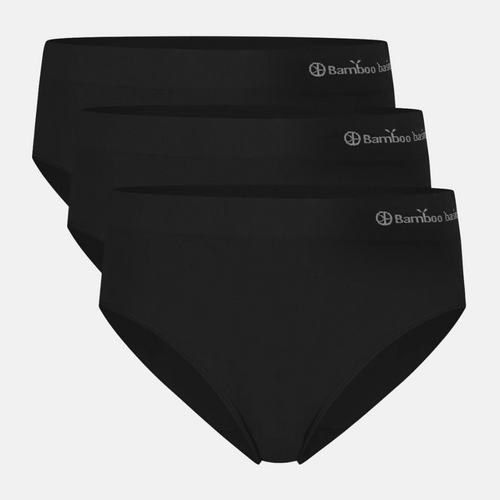
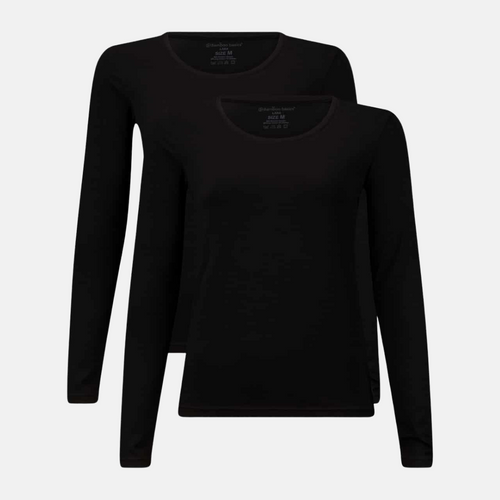
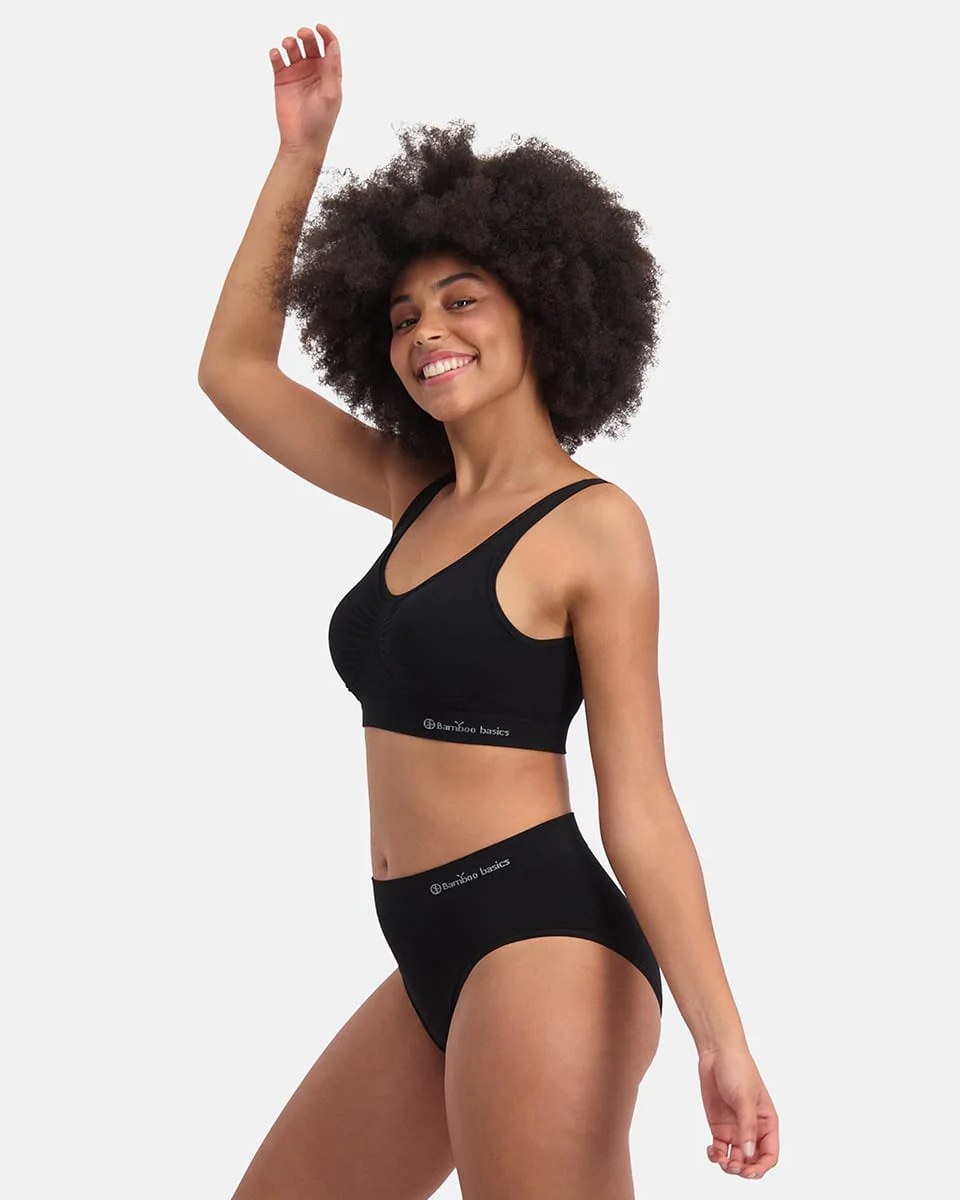
The plant mass is dissolved chemically and shaped into fibres. That step decides most of the load on the environment, and it is where producers differ most. The raw material is therefore only the first part of the story. See Bamboo Basics for everyday garments made of bamboo viscose.
Where the load lies
The load lies in how the plant mass is treated rather than in the plant itself. How much solvent is used and reused, and how clean the wastewater becomes, varies between factories. Two bamboo garments can therefore have very different impact although the plant is the same. You cannot feel that in the hand.
What to look for
Look for FSC on the raw material and OEKO-TEX on the finished product. The two cover different ends of the chain, and neither says anything about how much water was used. See FSC certified products and OEKO-TEX certified products, where the certification is stated on the item.
What certificates do not say
A certificate covers only what it was issued for. FSC says something about how the plantation or forest is run, and OEKO-TEX about substances in the finished textile. How much water and energy was used along the way, and how long the garment lasts, neither of them says.
Is bamboo better than cotton
As a raw material, bamboo uses less water than cotton. The fibre, however, is made chemically, which is not true of cotton as a natural fibre. The comparison therefore depends on which stage you look at, and one answer rarely covers both. The honest answer is that each has its own advantages.
Natural fibre or viscose
Bamboo can be used as a natural fibre, but that is rare in clothing. Almost everything is viscose, where the plant mass is dissolved and shaped into new fibres. It is therefore more accurate to say the clothes are made of a fibre derived from bamboo than to call them a pure natural fibre.
Frequently asked questions
Is bamboo better than cotton?
As a raw material it uses less water. The fibre is made chemically, though, so it depends on which stage of the chain you look at.
Can bamboo be used as a natural fibre?
Yes, but rarely in clothing. Almost everything is viscose, where the plant mass is dissolved chemically and shaped into fibres before being spun into yarn.
Does bamboo grow fast?
Yes. It is a grass, not a tree, and it shoots again from the root after harvest, so the plant does not need to be sown again.
You can find the full range at Bamboo-Clothing.com.