Air in the knit and what it means for warmth
Short answer: It is not the yarn that warms you, but the air between the threads. A knit that holds air still insulates, and a knit that lets air flow cools. Once you understand that, it is easier to choose clothes for both cold and warm days.
Still air is insulation
Air conducts heat poorly. When it is trapped in small spaces between the stitches, it slows the heat from the body on its way out. That is why a knit can feel warm even though the yarn itself is not. The air does the work, and the fabric is only its frame.
Why two thin layers keep you warm
Another pocket of air forms between two layers, and that does more than one thick layer of the same weight. It is the basic principle of layered dressing. You can take a layer off when it gets warm and put it back on later. See bamboo hoodies for women as a top layer.
When the air moves
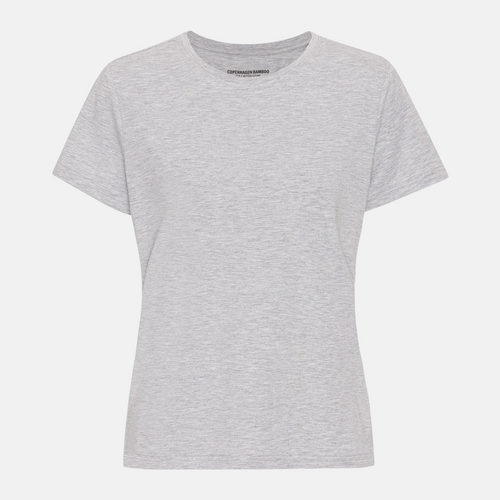
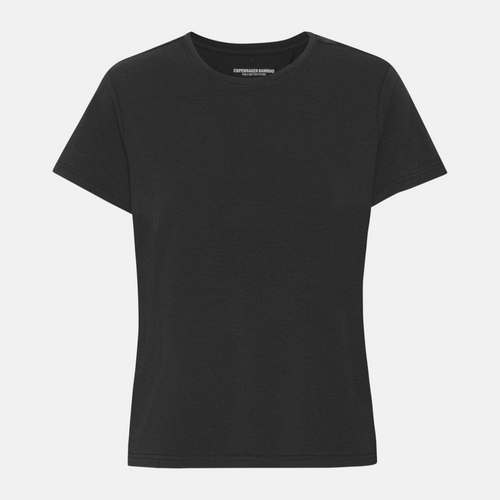
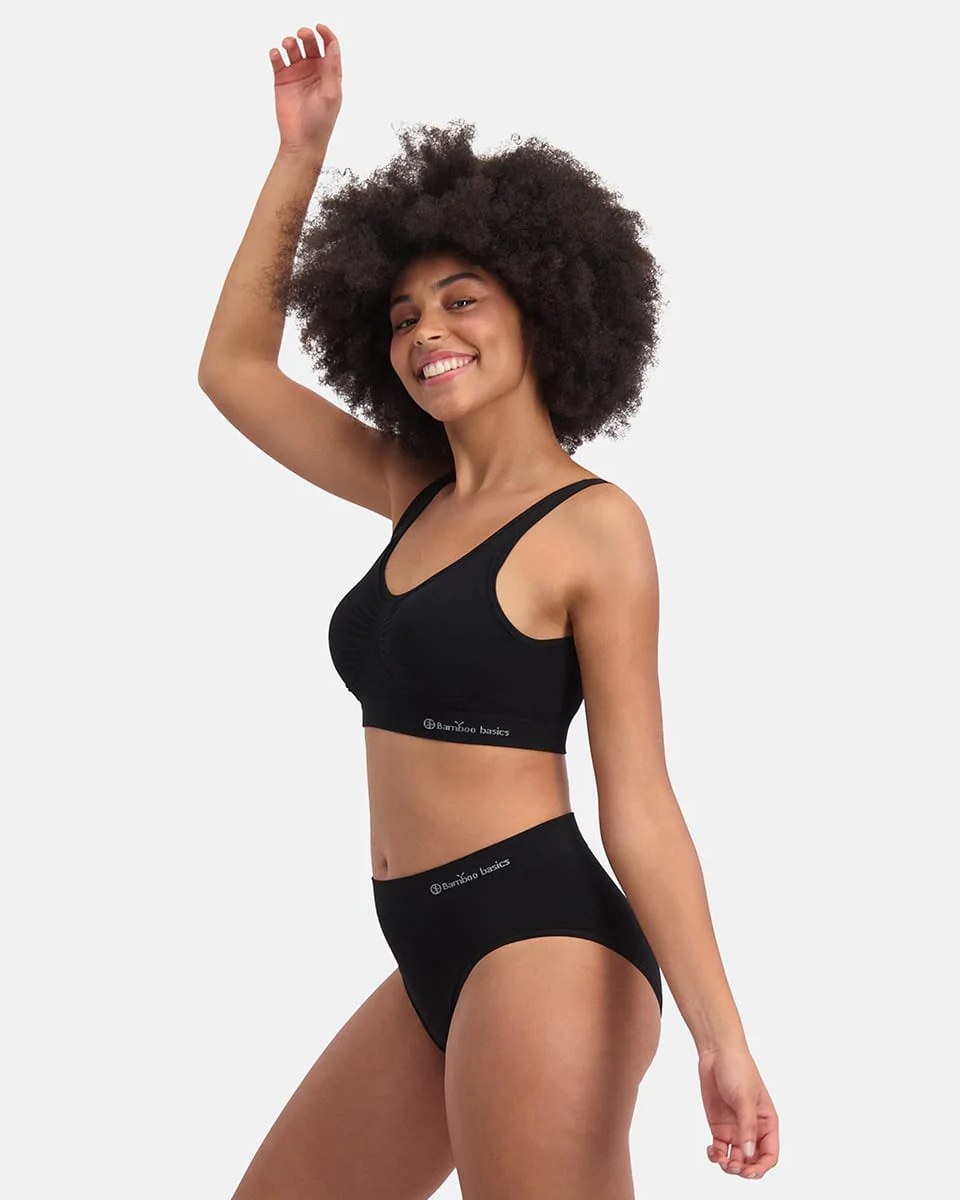
Wind, movement and open structures push warm air away and replace it with cold air. The same knit can therefore both warm and cool, depending on how much the air moves. See bamboo loungewear for women and bamboo T-shirt for women.
Open and tight stitches
An open knit lets air pass and feels cooler, while a tight knit holds it in better. The size of the stitches decides how easily air gets in and out. So two garments of the same material can feel very different if they are knitted with different density and yarn thickness.
Thickness is not the same as warmth
A thick fabric is not always warmer than a thin one. What matters is how much still air the fabric holds and how well it protects against wind. A thin, tight knit can beat a coarse, open one when it is windy. Weight alone does not tell the whole story.
Moisture changes everything
Water conducts heat many times faster than air. When the fabric gets wet, water replaces the air in the stitches and the insulation disappears. That is why damp clothing feels cold, even when it is the same garment that felt warm before. Change if sweat or rain has soaked it.
Fit and air layers
A garment that fits very closely leaves no room for air between fabric and skin. A garment with a little distance holds an extra layer of air that insulates. So a slightly loose sweater can feel warmer than a tight one of the same material. The fit is part of the insulation.
How to use it in daily life
Dress in layers so you can adjust to the day. Start with a thin layer closest to the body and add a slightly looser layer on top. If you go from a warm room into wind, you need a layer that keeps the air in. Take a layer off before you start to sweat.
What you can notice
Next time you put on a garment, pay attention. If it feels warm in still air and cool in wind, you are feeling the air in the stitches. If it feels clammy, moisture is involved. Think of air, wind and moisture, and the right garment becomes easier to pick.
Frequently asked questions
Why does a thin fabric feel cold in wind
Because the wind removes the layer of warm air next to the skin. A tight knit or an extra layer on top slows the wind and keeps the warm air where it belongs.
Does damp fabric insulate as well
No. Water replaces the air and carries heat away many times faster. That is why it matters to keep clothes dry and to change if they get wet from sweat or rain.
Can you feel the air space
Yes. A loose knit feels cooler in wind and warmer in still air. Try going out and in again in the same garment and you will feel the difference between wind and calm weather.
You can find the full range at Bamboo-Clothing.com.