Why seamless does not mean without stitching
Short answer: Seamless describes the body of the garment, not the whole garment. Sleeves, shoulders, edges and closures are still sewn, so some seams always remain. The word is still useful, because it tells you that the side seams are missing.
What the word actually covers
Seamless means the fabric is knitted as a tube, so there are no side seams. It says nothing about how the rest of the garment is put together. So the word describes one part, the body, and not the whole product from top to bottom, as one might easily imagine.
The seams that are always there
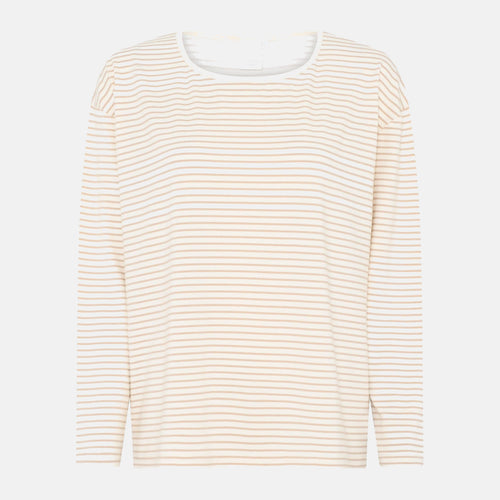
Shoulder seams, sleeve seams, neckline and waistband need sewing or binding. Without them the garment would have no shape. So do not expect to find a piece of clothing with no seam at all. See bamboo jogging suit for women for a garment with several parts.
Why the word is still useful
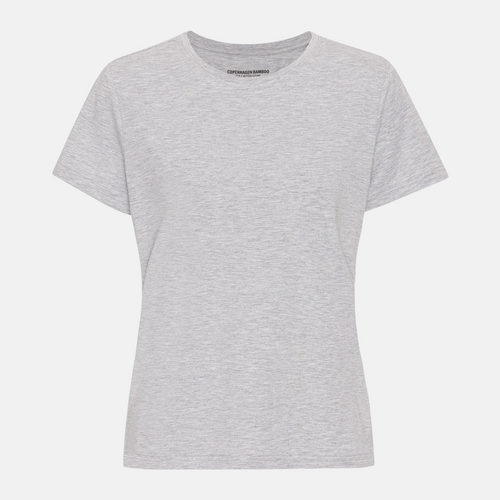
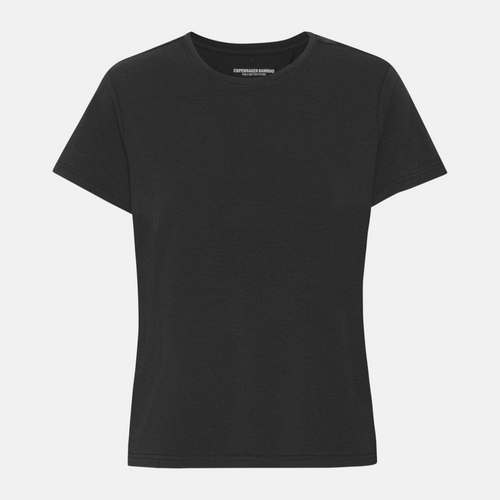
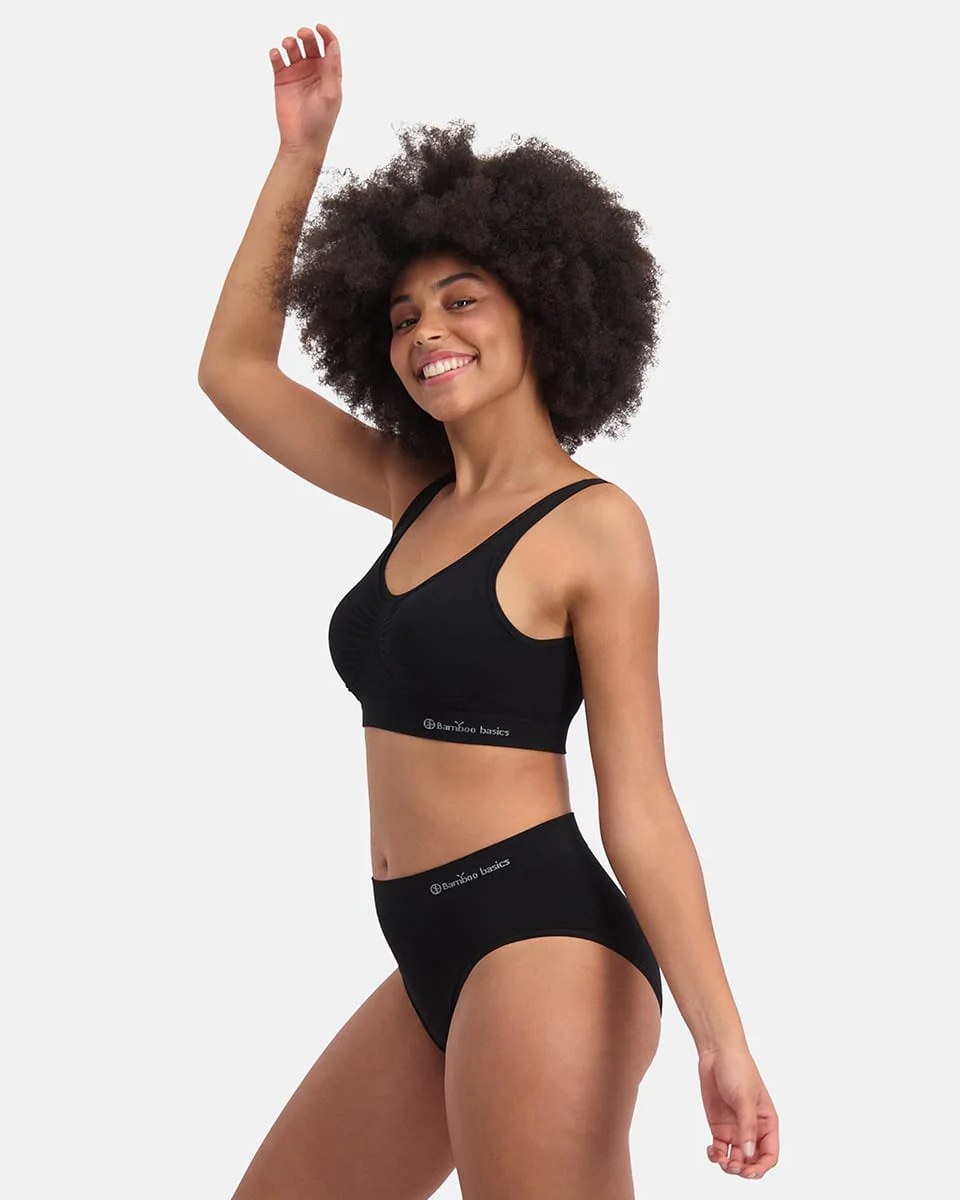
The seams that are missing are exactly the ones along the side of the body, where you feel most. That is a real difference in comfort. So the word is not an empty label, but a description of where the seam has been removed. See bamboo loungewear for women and bamboo T-shirt for women.
Shoulders and sleeves
The shoulders carry the garment and must be sewn so it hangs correctly. Sleeves are knitted or sewn on as separate parts and joined at the armhole. The seam sits where movement is greatest, so good sewing matters for the garment to keep its shape when you raise your arms.
Neckline and waistband
The neck and waistband need an edge so the fabric does not roll or stretch out of shape. The edge is sewn on and closes the opening neatly. In trousers and shorts the waistband sits at the waist, where there is also a seam. These seams have a job, and they cannot be done without.
Toe and gusset
Some close-fitting tops and briefs come very near to having no seams, but they are rarely entirely without. The toe of a sock is closed and the gusset of underwear is sewn together. These are small places, but they exist. Seamless therefore describes most of the surface, not every detail.
How to find the side seam
Look for a seam at the side from armhole to hem. If you see a clear line, the garment is cut and sewn. If you see none, the body is knitted as a tube. Turn the garment inside out and feel with your fingers, since a seam can be easier to feel than to see.
Seamless and fit
Because the tube takes its shape from the machine, the fabric fits evenly all the way round. No seam pulls on one side or makes the garment sit crooked. That does not mean it fits everyone. You still need to choose the size by your own measurements.
What to ask
Ask what seamless covers in the garment you are looking at. Is it only the body, or also parts of the sleeves and edges? The answer helps you judge whether the word suits what you want the garment for. If you are sensitive to seams, look especially at the side seam.
Frequently asked questions
Are there garments with no seams at all
Some close-fitting tops and briefs come very close, but the toe or gusset is still closed. So there is almost nothing entirely without sewing when you look at the whole garment.
Is seamless better for sensitive skin
Often yes, because there is less bulk against the skin. It depends, though, on where the seams sit in the rest of the garment and how sensitive your skin is to pressure.
Can you tell whether a garment is seamless
Yes. Look for a seam at the side from armhole to hem. If it is missing, the body is knitted as a tube, while shoulders, edges and closures can still have seams.
You can find the full range at Bamboo-Clothing.com.