How a seamless body is knitted
Short answer: A seamless body comes out of the machine as a tube in the right width. There are no side seams to cut and sew, and so no edge that can chafe at the side. That makes a difference, especially in clothes that sit close to the body.
The tube is knitted at the width of the garment
The machine is chosen so the cylinder circumference matches the size. The fabric therefore comes out at the right width and only needs closing at the top and bottom. That is a very different approach from cutting flat pieces of fabric and sewing them together along the sides.
What you gain
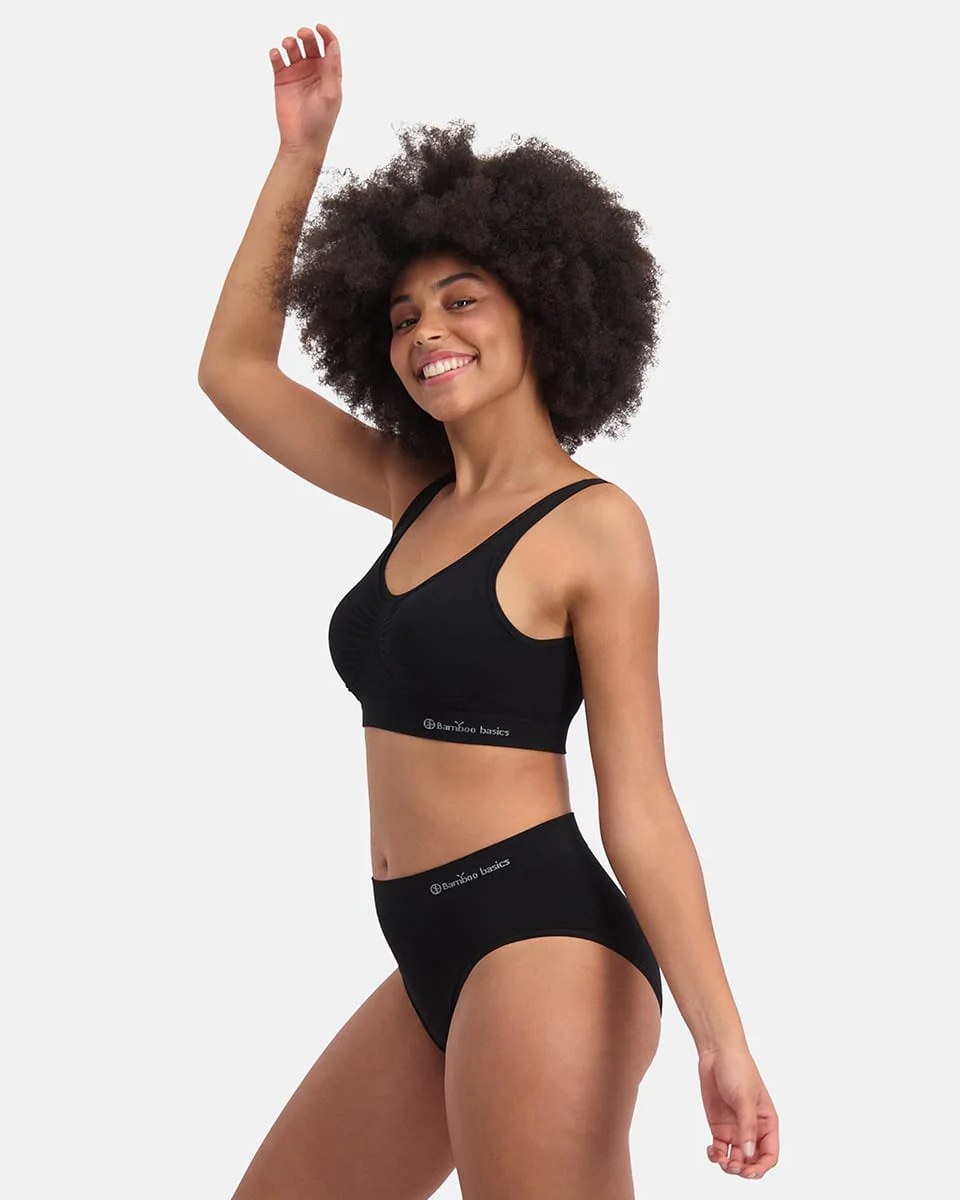
No side seam means no bulk under the arm and no line pressing when you lie down. It is felt most in underwear and nightwear. See bamboo jogging suit for women if you want clothes for a quiet evening at home.
What it costs
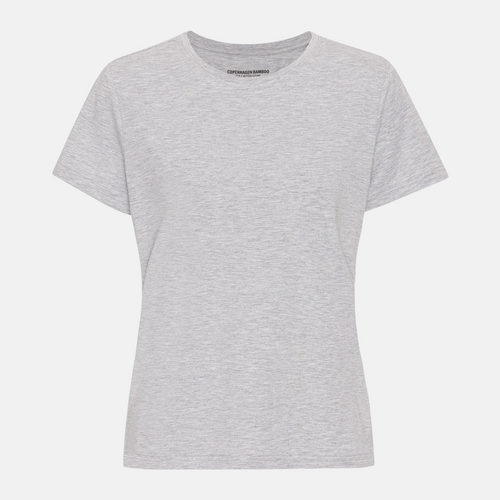
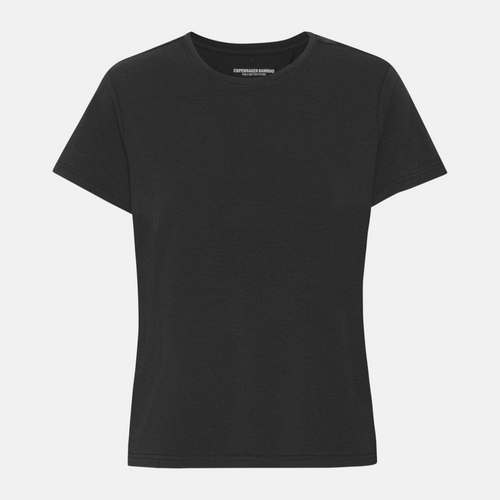
Each size needs its own machine setup, which makes production less flexible and dearer per garment. So seamless is not the cheapest choice for the maker. In return you get a fabric shaped to the body. See bamboo sweatwear and bamboo T-shirt for women.
From tube to garment
Once the tube is knitted, it still has to be finished. The top and bottom are closed, and where there must be openings for arms or neck, they are shaped. The body itself has no side seams, and that is the part of the garment that lies against the skin for the longest.
Why size steers the machine
Because the tube takes its width from the machine cylinder, you cannot simply stretch a large machine to a small size. A new size means changing the setup. That is one reason seamless garments often come in fewer sizes, each covering a wider range.
Where you feel it most
The difference is greatest in clothes that fit closely and are worn for long, such as underwear, tops and nightwear. Here a side seam can chafe if you sit or lie on it. In loose everyday clothes the seam matters less, because the fabric is not pressed against the body in the same way.
Fabric that follows the body
A knitted tube stretches in every direction and follows the shape of the body. Because no seam stops the stretch, the fabric can move evenly when you bend or reach. That gives a fit that feels calm, as long as the size is chosen well.
Caring for seamless garments
Wash according to the care label and choose a gentle wash that protects the stitches. Avoid hanging the heavy, wet garment on a line, where it can be pulled out of shape. Dry it flat instead. That way the fabric keeps its shape and the tube sits evenly all the way round.
How to feel the difference
Run a finger along the side of an ordinary garment and then along a seamless one. On the first you feel a clear edge, on the second nothing. Wear both for a day and notice where you become aware of the seam. Then you know whether seamless is worth choosing for you.
Frequently asked questions
Is seamless always more comfortable
Often, but a good flat side seam can be just as unnoticeable. It depends on how the seam is sewn, where it sits and how sensitive you are to pressure against the skin.
Can seamless garments twist
Yes. Without a side seam there is no line, but the fabric can still twist. It happens mostly if the size is too large or the garment is washed and dried in a way that pulls it crooked.
Is seamless more durable
Not necessarily. There are simply fewer places where a seam can fail. How long a garment lasts also depends on the yarn, the knitting and how you wash and wear it.
You can find the full range at Bamboo-Clothing.com.