Bamboo bedding for warm sleepers
Short answer: If you sleep warm, the sheet matters more than the duvet. You lie on the sheet all night, and that is where moisture must get away first. A sheet that passes moisture on, a light duvet and nightwear that does not trap heat together make the biggest difference.
The sheet first
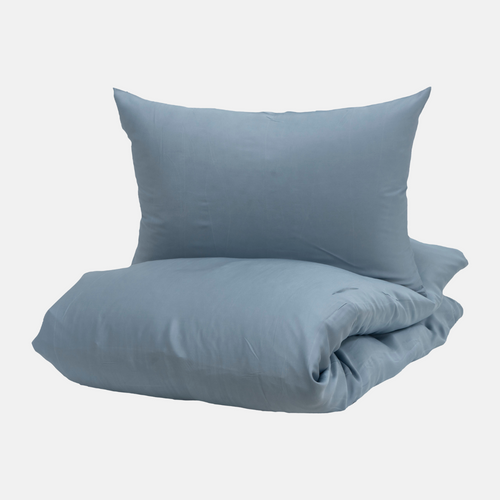
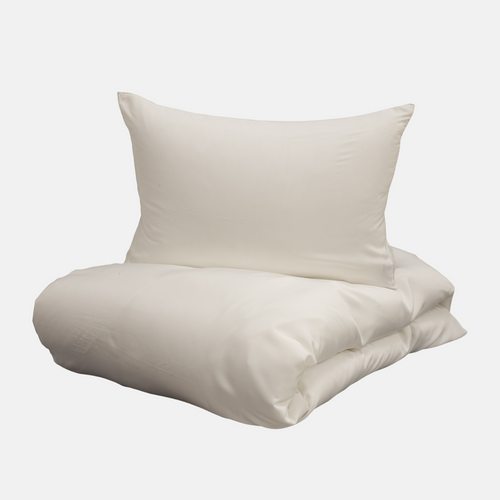
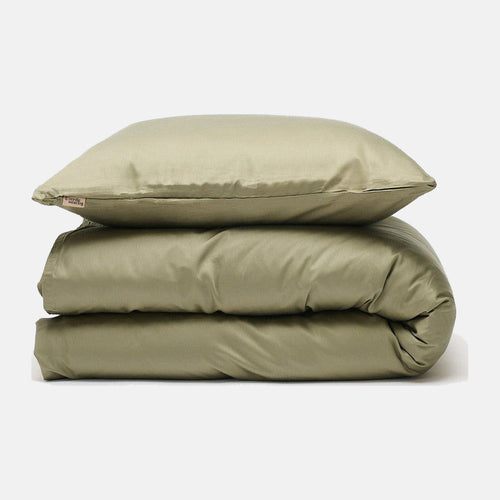
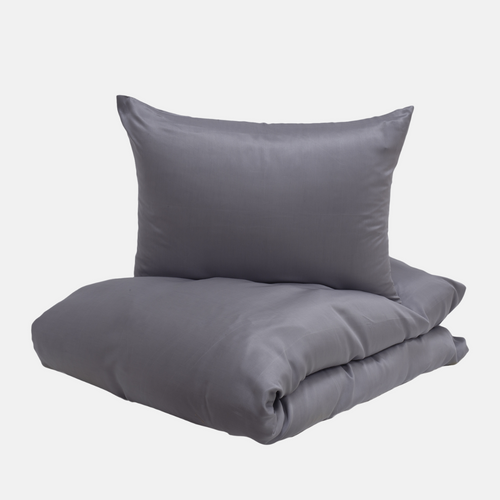
Moisture from your back and sides goes into the sheet. If the sheet cannot pass it on, it turns clammy, however good the duvet is. A sheet in bamboo viscose draws moisture into the fibres and lets it evaporate, so the surface stays dry for longer. See bamboo bedding.
Percale rather than sateen
Percale feels cooler because the matte surface has less contact with the skin. Sateen lies closer and feels softer, but also warmer. For warm sleepers percale is almost always the right choice, for both sheet and duvet cover. Feel the difference with your hand if you are unsure about the weave.
The weight of the duvet
A light duvet with natural filling or a thin synthetic filling is better than a heavy one. Weight is insulation, and insulation is what you want to avoid. Many warm sleepers do well with a summer duvet all year or with two thin duvets that can be used separately or together.
Nightwear must not trap heat
If your nightwear is dense and synthetic, moisture never reaches the sheet. It stays against your skin, and then it does not help that the bedding can move it. Choose light, loose nightwear in an absorbent material, or sleep without. See bamboo nightwear for men.
Wash without fabric softener
Fabric softener cancels moisture transport in every layer at once. The film settles on the fibres and stops moisture from getting in, and then even a good sheet feels clammy. Wash at 40 degrees with a regular detergent at a low dose. See washing and care.
Change more often
If you sweat at night, the sheet collects more moisture and sweat than with normal use. Change and wash your bedding once a week instead of every other week. With two sets in rotation there is always a dry, clean set ready, and each set gets time to rest between washes.
The bedroom temperature
A cool bedroom makes it easier for moisture to evaporate from the fabric. Air the room before bedtime and keep the radiator low at night. In summer it can help to draw the curtains during the day, so the sun does not heat the room before you go to bed.
Let the bed breathe
Fold the duvet back in the morning and leave the bed open while you have breakfast. Moisture from the night can then evaporate from the sheet and mattress. If you make the bed straight away, you trap the moisture, and the sheet is not quite dry when you lie down again.
When it does not help
Bedding can make the night more comfortable, but it does not solve everything. If you sweat heavily at night without knowing why, or it has started suddenly, something else may be behind it. Talk to your doctor if you are unsure.
Frequently asked questions
What matters most for a warm sleeper?
The sheet. You lie on it all night, and that is where moisture must get away first. A sheet that passes moisture on keeps the surface dry for longer.
Is percale better than sateen for warm sleepers?
Yes. Percale has a matte surface with less contact against the skin and feels cooler. Sateen lies closer and feels softer, but also warmer to sleep in.
Does nightwear matter?
Yes. If your nightwear is dense and synthetic, moisture never reaches the sheet. Choose light, absorbent nightwear, or sleep without it if you run very warm.
See our range of Nordic Weaving bedding.