Bamboo clothing for shift work and night shifts
Short answer: On rotating shifts you sleep and work at odd hours, and your body temperature does not follow the clock. Clothes that work both for sleeping in the daytime and for long shifts make everyday life easier.
Sleeping in the daytime
During the day the bedroom is warmer than at night, so your nightwear matters more. Thick nightwear holds heat and sweat, and you wake up clammy. Thin nightwear in bamboo viscose moves moisture away from the skin and feels light. See bamboo nightwear for women if you sleep during the day after a night shift.
Blackout and temperature
A blacked out bedroom warms up quickly, because the curtains trap the heat from the sun. Air the room before bed and use a thinner duvet in summer. Bedding that does not hold on to moisture also makes a difference when you sleep for several hours. See bamboo bedding.
Long shifts on your feet
If you stand and walk for many hours, socks matter more than most people think. Wet feet in closed shoes lead to blisters and smell, especially at the end of a long shift. Bring a spare pair and change halfway. Read more in socks for work.
Underwear for long shifts
After twelve hours you feel every seam. Underwear with flat seams and a soft waistband chafes less, even when you sit, bend and walk a lot. Choose a fit that does not ride up, so you are not adjusting it all the time. See bamboo underwear for men.
A base layer under the uniform
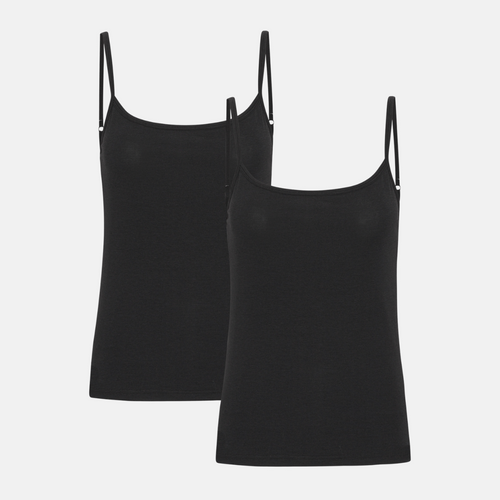
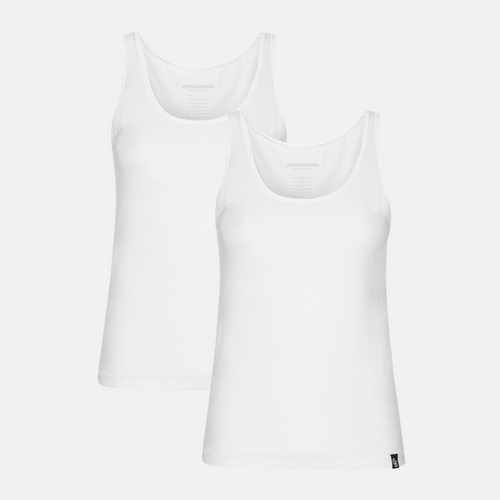
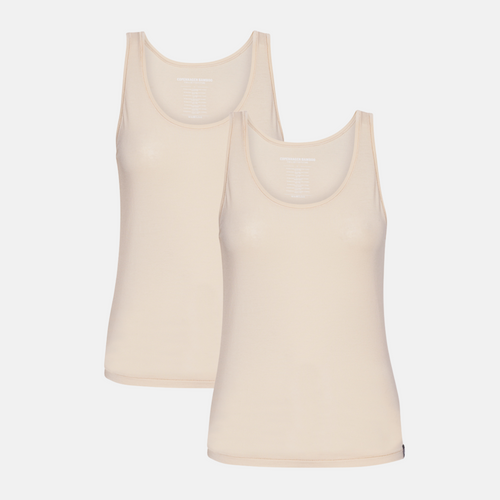
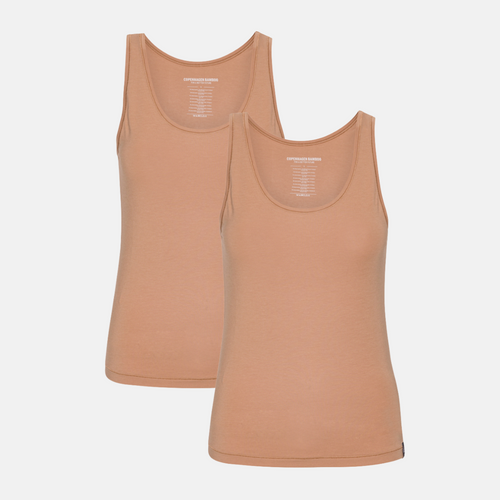
Many uniforms are synthetic and hold heat. A thin inner layer takes the sweat before it reaches the uniform and makes it more comfortable over many hours. The layer should be thin so you do not get too warm. See bamboo undershirts for women as a base layer.
Changing after the shift
A set of clothes you only wear after the shift makes the move to rest easier. Many people stay in their work clothes until they go to bed. Instead, change into something soft and dry as soon as you walk through the door, so your body can settle down.
A fixed order
When your hours change, it helps to do the same things in the same order. A shower, clean nightwear, blackout and the phone put away. The routine signals that it is time to sleep, whatever the clock says. It does not solve everything, but many people find it easier to fall asleep.
Switching between shift types
Moving from nights back to days makes it hard to find your rhythm again. Some people sleep a little less on the first day after night shifts to get back into the day. Clothes cannot change that, but a comfortable bedroom makes it easier to rest when you finally get the chance.
When sleep will not settle
If your sleep does not settle for a long time, it is a good idea to talk to your doctor. Shift work is a strain for many, and clothing and bedding are only a small part of the picture. They can make things more comfortable, but they do not replace advice from a professional.
See also
The subject has many sides, from daytime sleep to clothing for the long working hours. We have gathered more practical tips on work clothes, layers and changing in clothes for night work, where you can also read about making shifts a little easier.
Frequently asked questions
Why is it hard to sleep during the day
Because it is lighter and warmer, and the body expects to be awake. Blackout, a cool room and nightwear that moves moisture away make resting more comfortable.
What should I wear under my uniform
A thin base layer that takes the sweat before it reaches the uniform. It should be thin enough that you do not get too warm during a long shift.
How many pairs of socks should I bring for a long shift
At least one spare pair. Change halfway or when your feet feel wet, and you avoid blisters and the smell that builds up at the end of the shift.
See our range of Copenhagen Bamboo.