Bamboo clothing for warehouse and logistics
Short answer: In a warehouse you move between warm and cold zones and walk a lot. A thin base layer that moves moisture away is what makes those changes bearable.
Moving between zones
When you go from a cold hall to a warm office or a lorry in the sun, a wet layer turns cold the moment you come back. Bamboo viscose moves moisture away and keeps the skin drier, so the changes feel less abrupt. See bamboo undershirts for men as the inner layer.
Layers instead of one thick jumper
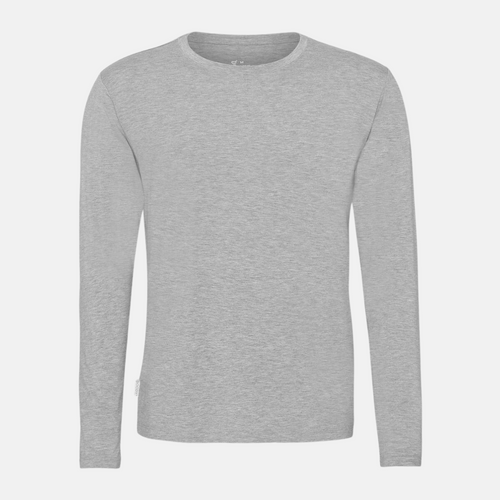
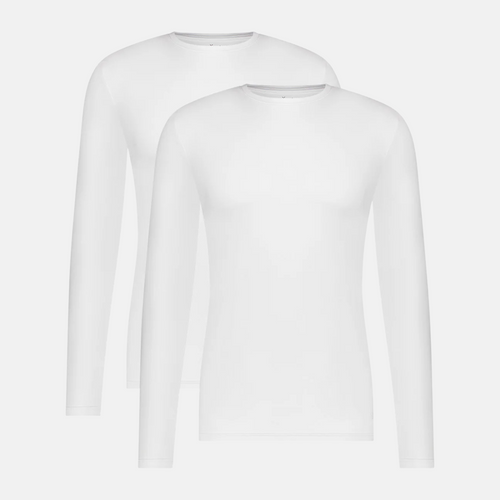
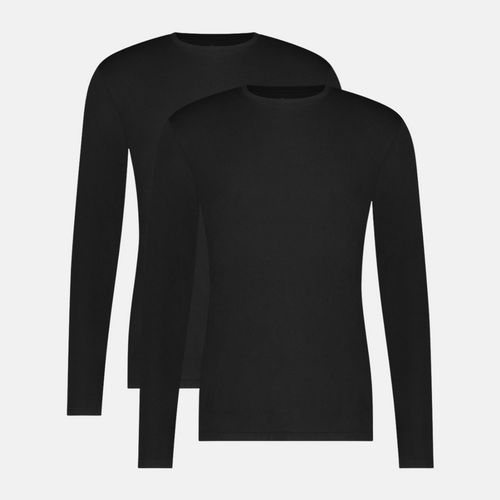
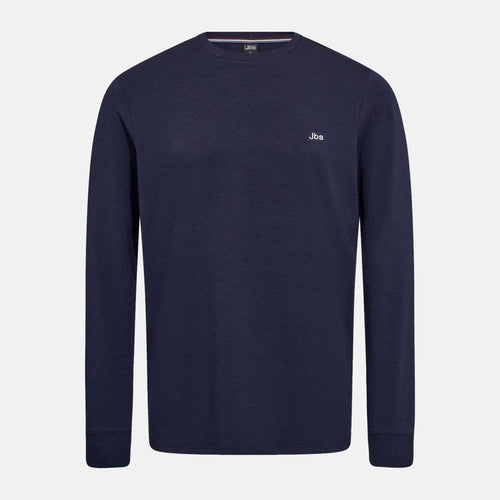
Two thin layers can be adjusted; one thick jumper cannot. When you pick at a high pace you get warm, and when you wait at the loading dock you get cold. With two layers you take the outer one off and on without freezing or sweating. See bamboo long sleeve T-shirt for men.
The legs
In cold halls and freezer rooms the legs get cold first, because work trousers fit loosely. A thin, close fitting layer underneath keeps the warmth in without restricting movement. It is easy to take off if you move to a warm zone. See bamboo long johns.
Socks and safety shoes
Safety shoes close completely around the foot, and after many hours your feet get wet. Wet feet get cold in a cold hall and blister. A sock that moves moisture away keeps the foot drier. Read more in socks for safety shoes and boots.
Underwear
Many steps a day cause chafing, especially on the inner thighs and at the waistband. Flat seams help, and slightly longer legs stop the fabric riding up. The waistband should stay put when you lift and bend, without digging in. See bamboo underpants for men for the styles.
Forklifts and seated work
If you drive a forklift, you sit still for longer and get cold faster than colleagues who walk. An extra layer you put on when you sit down makes a big difference. Remember the legs too, as they stay still in the cold while your upper body works the controls.
Changing after the shift
A clean set for the journey home makes a big difference when the shift has been physical. Many people go home in the same clothes they have sweated in all day. A dry base layer is nice to put on, especially in winter when damp clothes quickly turn cold outside.
The breaks
During the break you stand still, and that is when you notice whether the inner layer is wet. Put something dry on top, or change layers if you have been working hard. It takes little time, and you go back to work warmer instead of freezing for the first half hour.
Washing
Workwear is used hard and washed often. 40 degrees and no fabric softener keep the fabric able to move moisture, because softener coats the fibres. Dry the clothes on a rack so they last longer. See the washing guide for more tips.
The outer layer takes the wear
Bamboo viscose is a soft fabric and is not made to withstand pallets, edges and packaging. Use it as a base layer under sturdy workwear. That way you get softness and moisture transport against the skin, while the outer layer handles the wear of a day in the warehouse.
Frequently asked questions
Why do I get cold after sweating
Because a wet layer against the skin draws heat away when you stand still. A layer that moves moisture away from the skin keeps you drier and warmer during breaks.
What should I wear in a cold hall
A thin base layer on the upper body and legs, a warm mid layer and your workwear on the outside. Then you can remove the middle layer when you warm up.
How often should I change socks
At least once a day, and ideally during the break on long shifts. Dry socks keep your feet warmer in the cold and cause fewer blisters in safety shoes.
See our range of Copenhagen Bamboo.