Bamboo clothing in the kitchen and for hot work
Short answer: In a kitchen it is hot for the whole shift, and you are constantly on the move. A thin base layer that moves sweat away from the skin makes a bigger difference than a thinner outer layer.
Heat all shift
In a kitchen the temperature does not drop during the shift, so you sweat from start to finish. A cotton top gets wet, stays wet and sticks to your back. A thin layer in bamboo viscose moves moisture away. See bamboo undershirts for men.
Under the uniform
If the chef's jacket is thick, the inner layer matters even more. The jacket protects against heat and splashes, and there is rarely much you can change about it. But you choose the layer underneath. A thin T-shirt that takes the sweat makes the jacket more comfortable. See bamboo T-shirts for men.
Socks and feet
Many hours standing in closed shoes give warm, wet feet. Kitchen floors are hard, and sore feet are felt more when the skin is damp and soft. Change socks during the break if the shift is long. Read more about why socks matter so much in socks for work.
Underwear
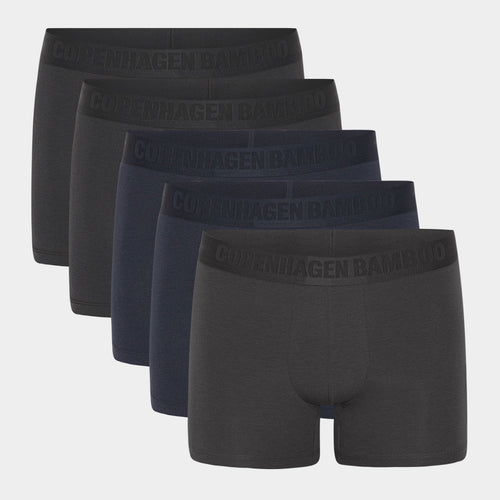
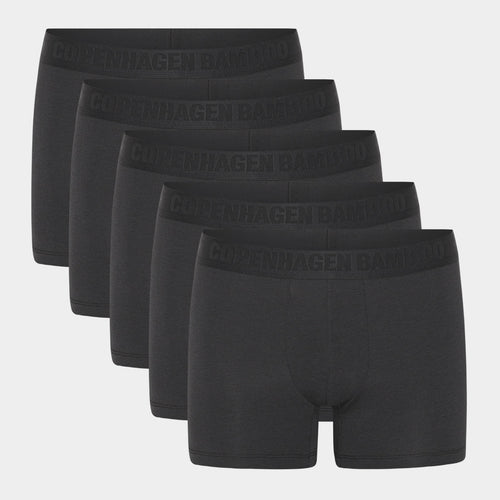
Movement and heat cause chafing, especially on the inner thighs. Flat seams and slightly longer legs help, because the fabric does not ride up and skin does not rub against skin. The waistband should stay in place without digging in when you bend to the oven. See bamboo underpants for men.
Changing after the shift
A clean set for the journey home means you do not sit in wet clothes on the bus or bike. Many people go straight home in what they worked in, but a dry base layer makes the trip more comfortable, especially in winter after a hot evening.
The breaks
If you step outside during the break, you get cold quickly when the inner layer is wet. Put something dry on top, or change the inner layer if the break is long. It sounds like a lot, but an extra layer in the locker takes up almost no room and makes the rest of the shift easier.
Drink and take breaks
Clothing can help keep the skin drier, but it cannot cool the body. Drink water steadily through the shift, even when it is busy. Heat and pace wear you down, and you feel it late in the evening. Talk to your doctor if you often get headaches or feel dizzy in the heat.
Wash often
Workwear used in the heat should be washed after every shift, otherwise the sweat settles in. 40 degrees is enough for most items. Skip fabric softener, which coats the fibres so they move moisture less well. See the washing guide for more.
Enough sets for the week
If you work five shifts a week, you need at least five base layers and five pairs of socks. Then you can wash once or twice a week without running out. With too few, you end up wearing something that is not quite dry, and you feel it after an hour in the heat.
See also
Sweat and smell are closely linked, and in a hot kitchen it is a topic most people know well. If you want to learn more about why some fabrics smell less than others and what you can do yourself, read why bamboo clothing smells less.
Frequently asked questions
What helps most against sweat in the kitchen
The inner layer. A fabric that moves moisture away from the skin matters more than the outer layer, because that is where the sweat sits and makes you clammy.
How often should workwear be washed
After every shift when it has been worn in the heat. Sweat left in the fabric causes smell that is harder to remove later, so it is better to wash often.
Should I change during the break
On long shifts it is worth changing your socks and inner layer. It takes a few minutes and makes the second half of the shift more comfortable.
See our range of Copenhagen Bamboo.