Bamboo Viscose vs. Wood Viscose – The Difference
Short answer: Bamboo viscose and wood-based viscose are made with the same process. The difference lies in the raw material. Bamboo grows faster than trees, usually manages without irrigation and regrows after harvest. In the finished fabric, the properties are almost the same.
What is viscose
Viscose is a fibre made from plant cellulose. The cellulose is dissolved and then spun into new, long fibres that can be woven or knitted into fabric. Viscose is therefore neither fully natural nor fully synthetic. It is often called a regenerated fibre, because it is recreated from plant material.
Same process, different raw material
All viscose is made in basically the same way. The cellulose can come from beech, spruce, eucalyptus or bamboo. The fibre that comes out at the other end is chemically almost identical. So it is not the process but the plant that sets bamboo viscose apart from wood-based viscose.
Where bamboo wins as a raw material
Bamboo is ready to harvest in three to five years, while trees usually need decades to grow. The plant typically needs neither irrigation nor pesticides, and it does not need replanting, because it regrows from the root. That means more cellulose per hectare with fewer resources in the field.
The process is the shared challenge
The advantage of bamboo lies in the field, not in the factory. Turning a plant into fibre requires chemicals, whether the raw material is bamboo or wood. How much this burdens the environment depends on how the factory handles and reuses the chemicals. So it is honest to say that bamboo does not solve everything.
Can you feel the difference
Hardly by hand. Both types of viscose are soft, smooth and drape nicely. Bamboo viscose does have a reputation for particularly good moisture transport, and many people find the fabric cool and pleasant against the skin. Whether the difference is noticeable depends a lot on the thickness and construction of the fabric.
Softness and drape
Viscose has a soft drape, so clothing follows the body without standing out. This applies to both bamboo and wood. Smooth fibres create a surface that does not scratch, which is one reason viscose is often used in clothing worn close to the skin all day.
Viscose in underwear
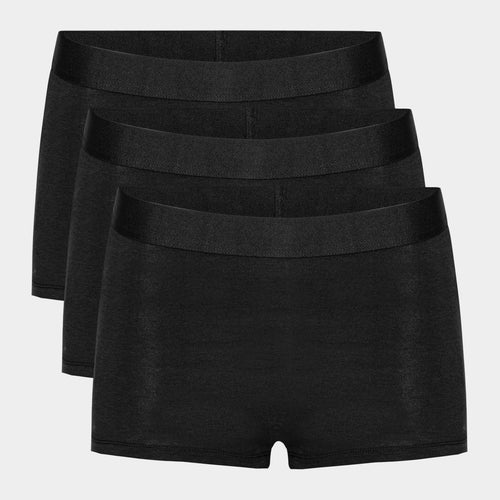
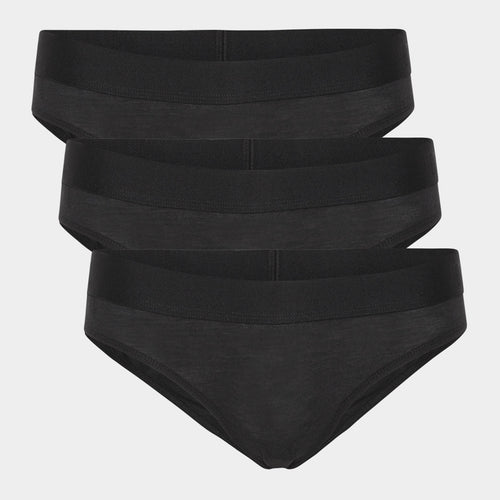
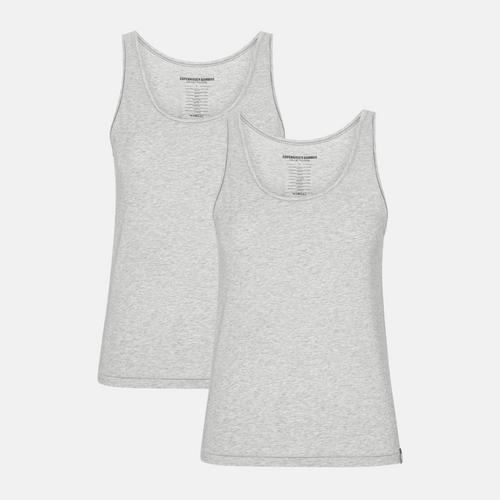
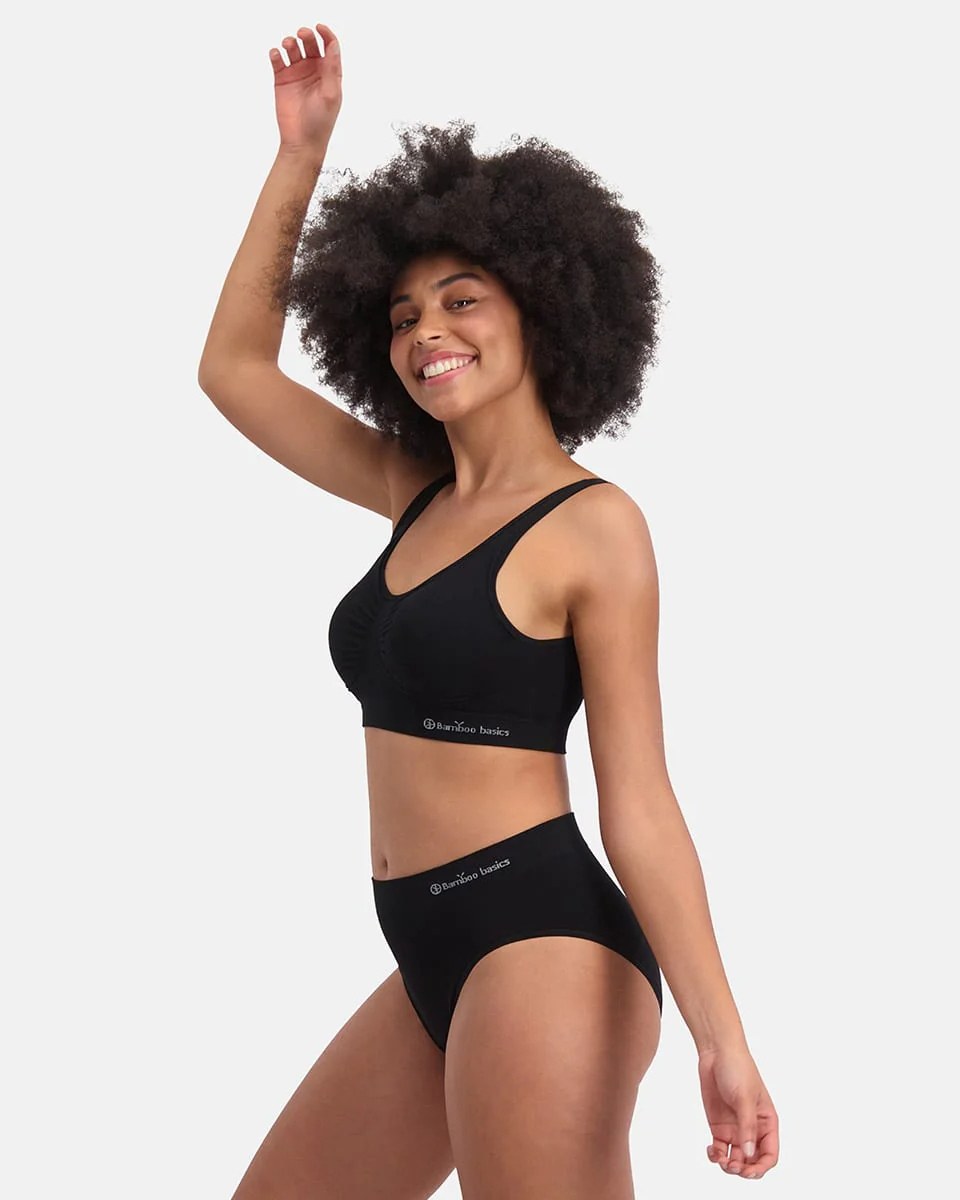
Underwear is where softness and moisture transport matter most. That is why we built our range on bamboo viscose. You will find it in men's bamboo underwear and in women's bamboo underwear, where the fabric is often blended with a little elastane to hold its shape.
Viscose in bedding
In bedding, what counts is the feel against the skin and the ability to move moisture away. Bamboo viscose makes smooth and cool bedding that many appreciate if they easily get warm at night. Take a look at the range of bamboo bedding if you want to try the difference yourself.
Washing and care are the same
Because the fibres are nearly identical, bamboo viscose and wood-based viscose are cared for the same way. Wash at 30 to 40 degrees on a gentle programme, use a mild detergent and let the clothes air dry. Viscose is slightly weaker when wet, so avoid hard spinning and the tumble dryer.
How to choose
If the fabric feels good and suits your needs, both types are fine choices. If you want to choose based on the raw material, the fast growth and modest needs of the bamboo plant speak for bamboo. Also look at how the garment is sewn and whether it can handle daily wear and many washes. See also the whole truth about bamboo textiles and the honest guide to bamboo and the environment.
Frequently asked questions
Is bamboo viscose better than regular viscose?
In the finished fabric the difference is small. The advantage of bamboo lies mainly in the raw material, which grows quickly and usually manages without irrigation or pesticides.
Is bamboo viscose a natural material?
The raw material is natural, but the fibre is made by dissolving and respinning cellulose. That is why it is called a regenerated fibre rather than a purely natural material.
Does bamboo viscose need different washing from other viscose?
No, the care is the same. Wash gently at a low temperature, use a mild detergent and let the garment air dry to keep its shape and softness as long as possible.
You can find the full range at Bamboo-Clothing.com.