Closed Loop Production – How Lyocell Is Made
Short answer: A closed loop means the solvent used in production is captured and reused rather than discharged. In lyocell, up to 99 per cent is recovered, and that is the main difference between lyocell and classic viscose.
What a closed loop is
In an open system the auxiliary substances leave the factory as waste water or vapour. In a closed system they are captured, cleaned and returned to production. That requires a plant built for it from the start, which is why it costs more.
The solvent
Lyocell is made with an organic solvent that can be evaporated and condensed back into liquid. The cellulose dissolves directly in it and does not have to be chemically converted on the way, which is precisely why the solvent can be used again.
What happens with viscose
Classic viscose uses caustic soda and carbon disulphide, and the cellulose is chemically converted before it is spun. Those substances cannot simply be returned in the same form, which is why viscose production requires more cleaning of what leaves the factory.
How much is recovered
For lyocell, between 95 and 99 per cent of the solvent is typically reported as recovered. The figure depends on the plant, and a figure from one factory cannot simply be applied to another, even where the process is the same.
What it means for the fibre
Because the cellulose is not broken down and rebuilt, the long molecular chains are preserved. That is why lyocell is stronger than viscose, including when wet, and it follows directly from how the process is built.
What it means for the price
The plant costs more to build and run, so the fibre costs more. The price difference on a finished garment is typically twenty to forty per cent, and it shrinks the longer the garment is worn.
Where you meet it
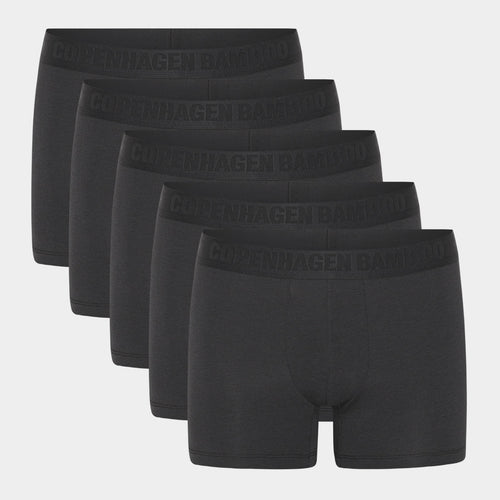
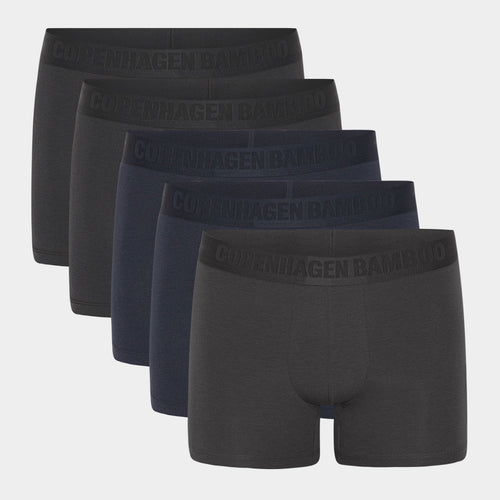
You meet lyocell in bedding and in underwear, where strength matters most, because both are washed often. See bamboo bedding and bamboo underwear for men for the qualities we carry.
What the figure does not cover
A closed loop says something about the solvent and nothing about energy, dyeing or transport. Those three sit outside the loop and are assessed separately, and they can easily weigh more in the overall picture.
How to wash the two
Lyocell takes 40 degrees and a short run in the dryer on low heat. Viscose should be washed at 30 and hung to dry. Both are washed without fabric softener, which settles into the fibres and makes them less absorbent.
What you can read on the item
The material composition is stated on the individual item, and if it says lyocell, that is the process the fibre was made with. If it says viscose, it is the classic one, and the two need slightly different washing. See also bamboo lyocell vs. bamboo rayon and the guide to bamboo viscose and the environment.
Frequently asked questions
What does closed loop mean?
That the solvent is captured and reused rather than leaving the factory. In lyocell, typically 95 to 99 per cent is recovered.
Does that make lyocell better than viscose?
On that one point, yes. But energy, dyeing and transport sit outside the loop and are assessed separately.
How do I know what I have bought?
The material composition is on the item. If it says lyocell, it is the closed process. If it says viscose, it is the classic one.
You can find the full range at Bamboo-Clothing.com.