Grams per square metre explained in practice
Short answer: The number tells you how heavy the fabric is. Under one hundred forty is thin, around one hundred eighty is a normal t-shirt, and over two hundred fifty is sweat fabric.
What the number measures
Grams per square meter is the fabric's weight relative to its area, meaning how much one square meter of it weighs. It says something about thickness and therefore about warmth, sheerness, and durability. It says nothing, however, about how soft the fabric feels, since that depends mostly on yarn fineness and knit type.
The common levels
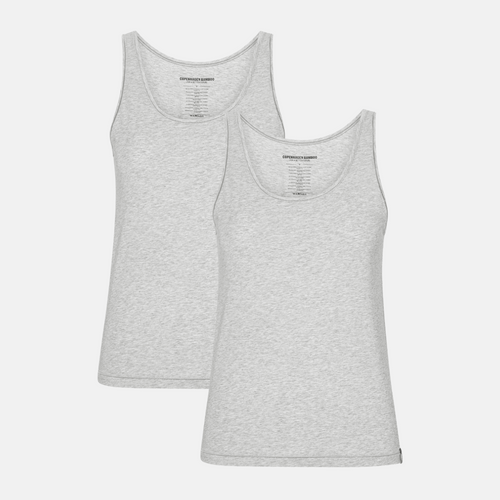
Under one hundred forty is typically used for thin tops and summer sleepwear. One hundred fifty to two hundred is standard for ordinary t-shirts and underwear. Over two hundred fifty is often used for sweatshirts and joggers. See bamboo t-shirts for men. The higher the number, the more fabric was used per area.
Heavy is not the same as good
A heavy fabric is warmer and less see through, but that does not automatically make it better than a light fabric. For summer and for underwear worn close to the skin, a light fabric is often the right choice. Pick based on purpose rather than a high number, which many mistakenly associate with better quality.
Sheerness
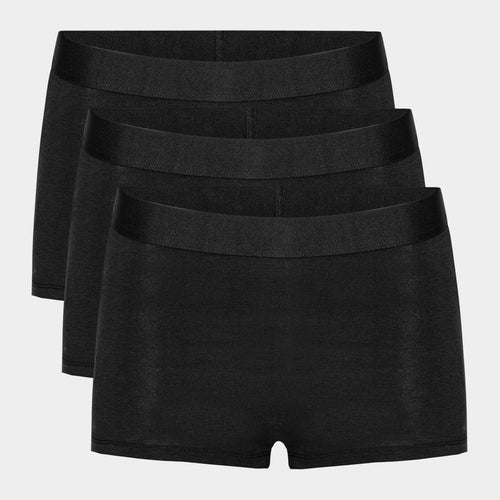
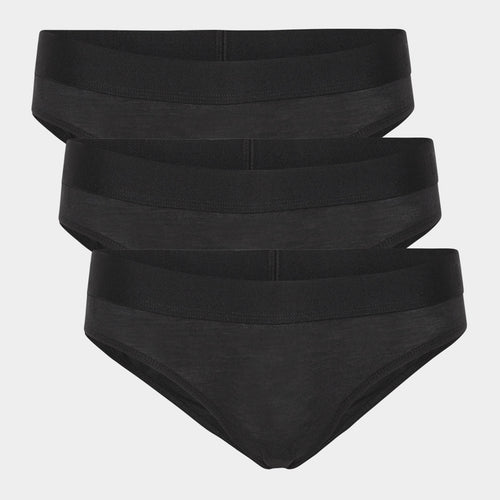
Light colors in thin fabric can turn see through, especially white and pastel shades. If a white t-shirt needs to work without a layer underneath, choose at least one hundred eighty grams. See bamboo underwear for women. Dark colors hide thinness far better than light ones, regardless of the actual gram figure.
Link to knit type
Two fabrics with the same gram figure can behave completely differently depending on whether they are knitted as jersey, interlock, or rib. A tight knit at a low gram figure can therefore feel thicker than a loose knit at a higher figure. The gram figure is only one of several numbers that together describe a fabric.
Durability over time
A higher gram figure usually gives a sturdier fabric, simply because there is more material to resist wear and stretching. That is one reason sweat fabric outlasts thin summer tops under the same use. But knit density and fiber choice matter at least as much as weight alone in how long a garment lasts.
Where to find the number
The gram figure often appears in the product description online, but rarely directly on the care label inside the garment. If it is not stated anywhere, the fabric's thickness and the garment's weight can serve as a reasonable indication. Hold two garments of the same type against each other and you will feel the difference right away.
Choosing by season
For spring and autumn, a mid range figure works well, typically between one hundred fifty and two hundred grams. For winter you can go heavier for extra warmth, while summer calls for the lightest fabric you can find. See sweatwear. The season is often the simplest guide when deciding on thickness.
Using the number in practice
Use the gram figure as a quick guide rather than a final answer. Always compare two garments of the same type, such as two t-shirts, instead of comparing a t-shirt with a sweatshirt. Combine the number with what the garment is meant for, and you will usually land on the right choice the first time.
Frequently asked questions
Where do I find the number
Often in the product description online. If it is not listed, the garment's weight and a comparison with a similar piece say almost as much about thickness.
Is thicker fabric always more durable
Often, but knit type and yarn quality matter just as much as the weight itself. A tightly knit, light fabric can easily outlast a loosely knit, heavy one.
What is best for summer sleepwear
Around one hundred forty to one hundred sixty grams, light enough to stay cool at night without the fabric feeling too thin or see through.
You can find the full range at Bamboo-Clothing.com.