How pieces are sewn together in sequence
Short answer: A garment is sewn in a fixed order, where each operation depends on the one before. Shoulders first, then sleeves, then sides, and lastly edges and labels, so all seams can be sewn while the fabric still lies flat.
The order is not random
Every seam must be sewable while the fabric still lies flat. That is why the sides are closed last, when everything else is sewn. Once a garment is closed into a round shape, it is hard to reach the seams that are missing, and the operator can no longer feed the fabric evenly through the machine.
The shoulders come first
Front and back are sewn together at the shoulders, so the pieces become one piece of fabric with a hole for the head. It is the first step because it gives the garment its shape. The shoulder seam also carries some of the weight, so it must be the same from garment to garment and lie straight.
Then come the sleeves
The sleeves are set in while the garment still lies flat and open at the sides. That makes it easier to hold the sleeve in the right position, and the fabric can be fed smoothly through the machine. If the sleeve is set in after the side seam, much more can sit crooked, and it is hard to correct.
The sides are closed last
Only when shoulders and sleeves are in place are the sides closed in one long seam from armhole to hem. Now the garment gets its round shape. The side seam decides how the garment hangs, so both sides must be equally long. See bestsellers for men.
Edges and labels last
Finally edges, hems and labels are sewn. These are the steps that lie outermost, and they build on the rest of the work. If the label is set in too early, it can sit crooked when the garment is closed. That is why the label sits where it sits and not somewhere else.
Each operation is a station
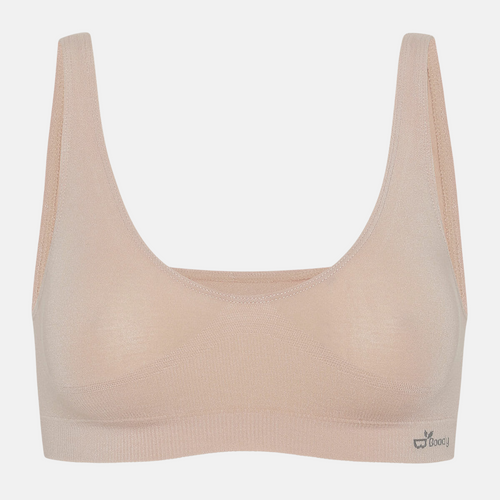
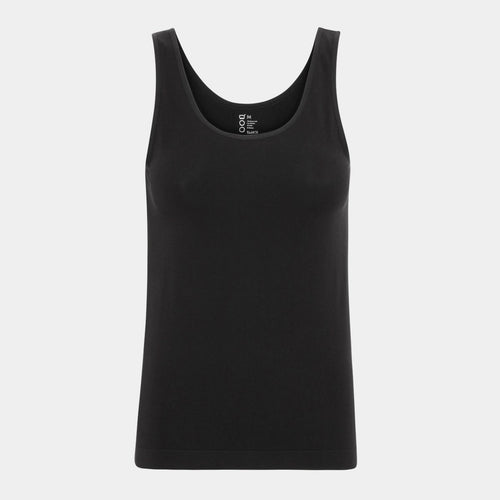
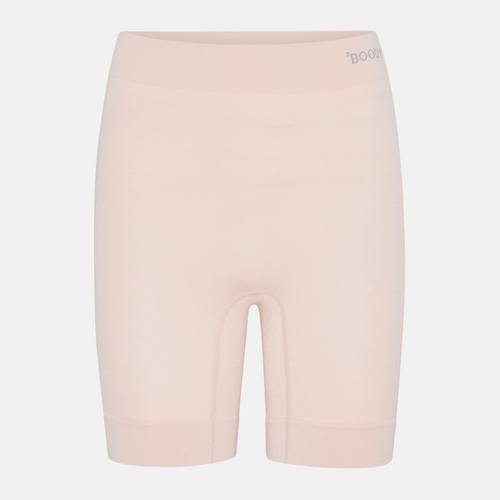
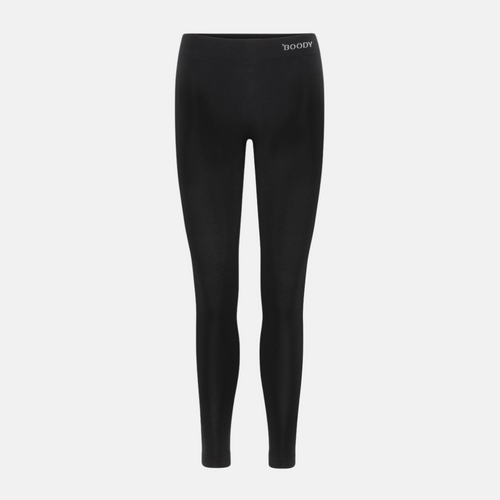
In a factory one person sits at each machine and does only one thing. That gives high speed and consistent quality, because the person repeats the same movement many times. The garment travels from station to station until it is finished. See Lindbergh and Boody for garments made on the same principle.
The pace is set by the slowest
A line can only run as fast as its slowest station. The line is therefore planned so the operations take equally long. If one operation is much longer than the others, the pieces pile up in front of it, and the rest of the line has to wait. It is a common task in planning a factory.
Why not one garment at a time
It takes much longer and requires more machines per person. Someone who has to switch between overlock, coverstitch and an ordinary sewing machine loses time every time, and the result becomes less consistent. The work is therefore divided, so each machine is used by the person who is used to it.
What you can see on the finished garment
You can see the order in the seams. The side seam runs from armhole to hem, the shoulder seam lies on top, and the edges are added last. If the seams are straight and even, the line has worked well. It is a simple way to judge quality, and all you need is your eyes.
Frequently asked questions
How many operations are there in a T-shirt?
Typically between eight and fifteen, depending on model and details, and each operation depends on the previous one being finished.
Why not just sew one garment at a time?
Because it takes much longer and needs more machines per person, and because the result becomes less consistent.
Can the order be changed?
Only a little. Some seams necessarily depend on others, so there is not much room to swap the steps around.
You can find the full range at Bamboo-Clothing.com.