Why a garment is sewn by several people
Short answer: Each operation needs its own machine and its own setting. It is faster and more consistent to let one person repeat the same seam all day than to let a single person sew the whole garment from start to finish.
Each operation has its machine
A garment consists of many small operations, and each is sewn on a machine set for that particular task. Thread type, needle type and stitch density are matched to it. If the machine is used for something else, it has to be reset, and that takes time not spent sewing.
The machines are different
An overlock machine, a coverstitch machine and an ordinary sewing machine each do their own thing. The overlock joins and trims, the coverstitch sews edges and hems, and the ordinary machine is used for details. Switching between them costs time, so they often stay each in its own place in the factory.
Repetition gives precision
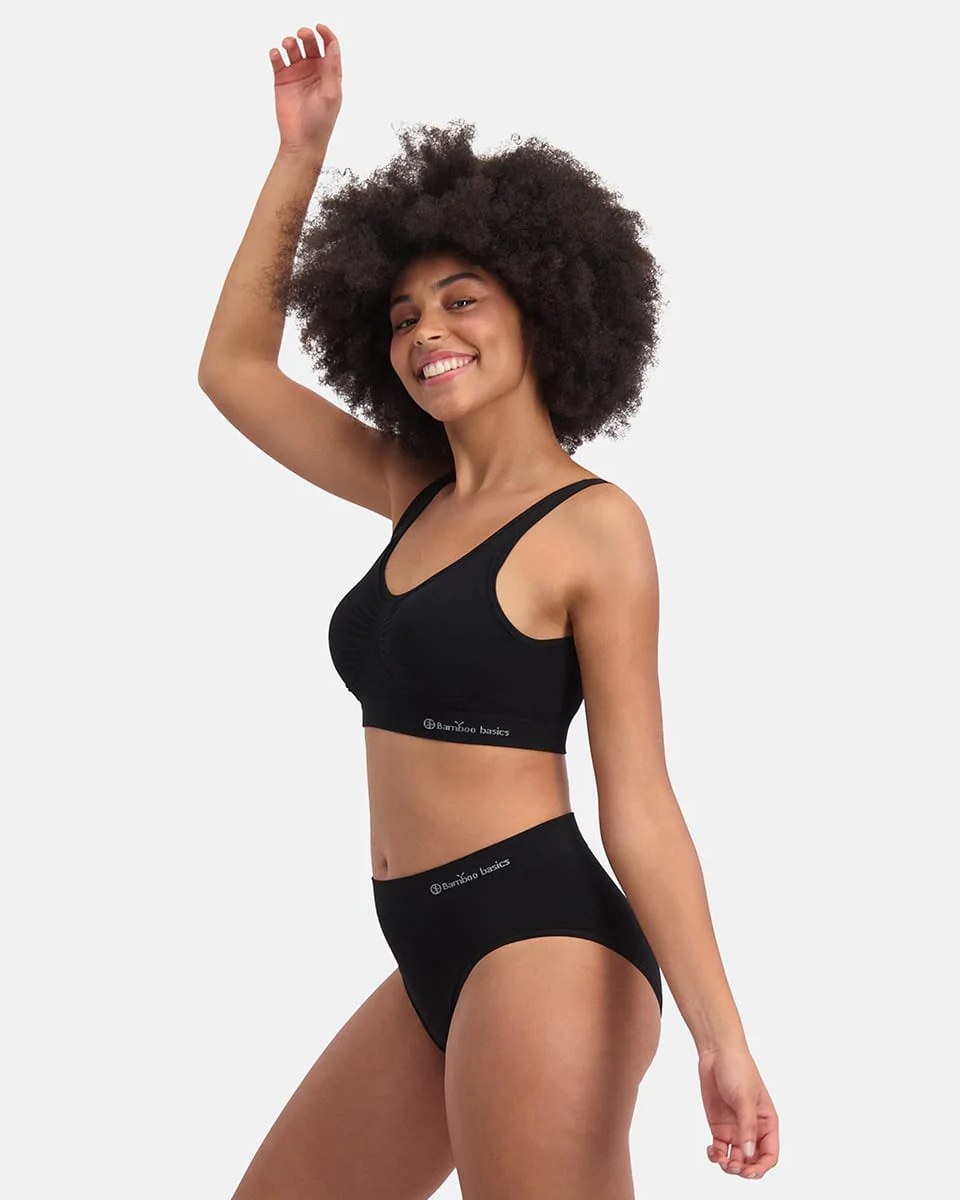
Someone who sews the same neck rib a thousand times a day does it more evenly than someone who does it once. The hands learn the movement, and the eye quickly sees if something is crooked. You can see the difference on the finished garment. See bamboo shirts for women.
Faults are caught along the way
When the garment goes from hand to hand, several people see it. A crooked seam is discovered before the garment is finished and can be corrected while it is still within reach. If only one person handled the whole garment, a fault would only be seen at the end, when it is harder to fix.
The work goes from hand to hand
After each operation the garment is put on a pile or sent on a belt to the next station. The person at the next machine sees it, picks it up and carries on. That gives a calm, even rhythm in the line, and it makes a high pace possible all day. See offers for women and Moodies.
How many people touch a single garment
Typically between eight and twenty people, from cutting to packing. The number depends on the model: a simple T-shirt has fewer operations than a dress with lining and a closure. Each person has their part of the work, and nobody knows everything about the whole garment, but everyone knows their own operation very well.
Is hand sewn better
Not in basics. Machine seams are stronger and more even than hand seams. For everyday garments that are washed often, it is an advantage that the seams are tighter and more regular. Handwork has its place, but in basics it is the machine that gives the best durability in the seam.
Why it does not say who sewed it
Because no single person sews a whole garment. The work is divided, and each garment has passed many hands. The label therefore cannot point to one person. What you can see is the name of the factory or the country of manufacture, if it is on the label, and that is what the labelling covers.
What it means for quality
When the work is divided, each operation can be done by the person who is used to it, and faults can be fixed early. That gives more consistent garments, where seams, edges and measurements resemble each other. You can compare two garments of the same model yourself and see whether they match in those details.
Frequently asked questions
How many people touch a single garment?
Typically between eight and twenty people, from cutting to packing, and the number depends on how many operations the model has.
Is hand sewn better?
Not in basics. Machine seams are stronger and more even than hand seams, and that is an advantage in garments that are washed often.
Why does it not say who sewed it?
Because no single person sews a whole garment. The work is divided, and each garment passes many hands on the way.
You can find the full range at Bamboo-Clothing.com.