How the smoothness of a fabric can be measured
Short answer: Smoothness is measured as a coefficient of friction. A device pulls a weight across the fabric and records how much force it takes to start the weight sliding and to keep it sliding. The lower the number, the smoother the surface feels against skin.
The force tells the story
The principle is simple. A small weight rests on the fabric and is pulled across the surface while an instrument records the force. The less force it takes to move the weight, the smoother the fabric. The measurement replaces a guess by the fingertips with a number that can be compared.
A number without a unit
The coefficient of friction is a ratio of two forces: the force that pulls, and the force pressing the weight down onto the fabric. Because both use the same unit, the unit cancels out and a plain number remains. That makes comparison between laboratories easy.
Two numbers instead of one
Two forces are measured: the one needed to get the weight moving and the one needed to keep it moving. The two numbers are rarely the same, and the starting figure is usually the higher one. See bamboo shorts for women, where smoothness against the skin matters in daily life.
What the weight slides over
The result depends on what the fabric is measured against. Some tests use a smooth surface, others a second piece of fabric, and sometimes the aim is to resemble skin as closely as possible. A number only means something when you know which combination it covers.
The conditions must match
Humidity, temperature, the size of the weight and the pulling speed all affect the result. If two fabrics are measured under different conditions, the numbers cannot be compared. Tests therefore typically run in a room with stable air, and samples rest first so they share one starting point.
Why it is useful
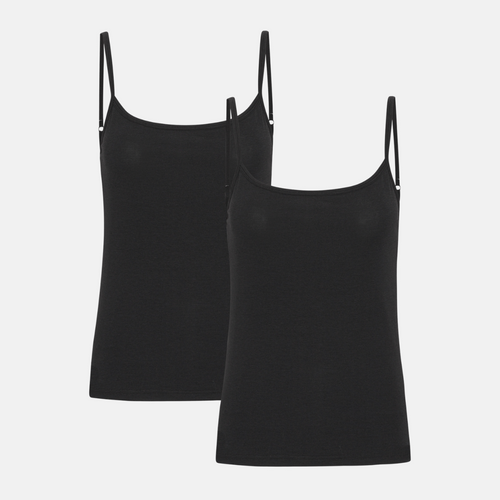
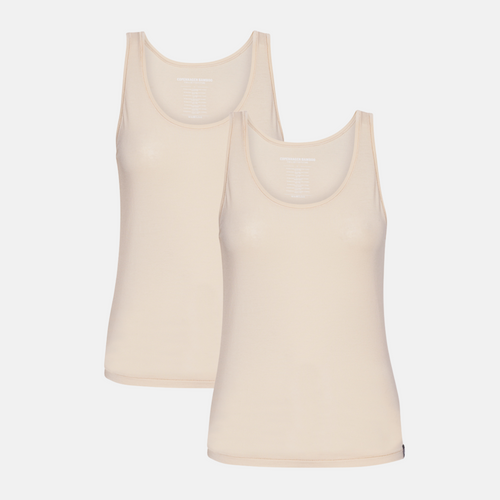
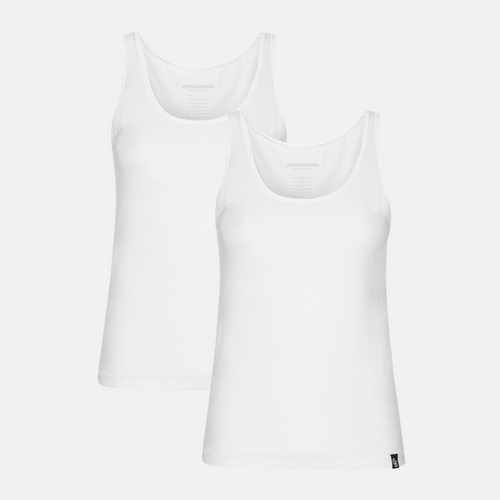
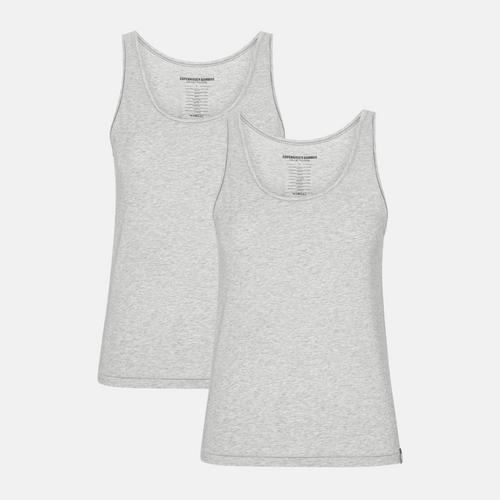
A smooth fabric glides over skin instead of pulling at it. That is why the number is used when underwear and sportswear are developed, where fabric moves against the same skin for hours. See also bamboo training shorts for women and bamboo undershirts for women.
Feeling the difference yourself
You do not need an instrument to get a first impression. Drag a fingertip across two fabrics with the same pressure and speed, and notice which one offers more resistance. It is a rough version of the same test and often shows clear differences between fabrics that look alike.
Smoothness changes over time
The surface of a fabric is not fixed. Pilling makes it rough and therefore less smooth, while long wear can polish it and make it smoother. Washing, drying and use also change the fibre surface. A number from a new piece of fabric is a snapshot, not a promise.
One number is not the whole story
A single number never describes a whole garment. Seams, cut, fit and the stretch of the fabric also shape how something feels on the skin. Treat the figure as one piece of information next to what you feel in your hands and how the clothes sit when you move.
Smooth is not always better
A completely smooth fabric can slip on its own. Some friction is needed so clothes stay in place, a waistband holds and a sock does not creep down into the shoe. The goal is therefore rarely the smoothest fabric, but the right balance between glide and grip.
Frequently asked questions
Can I feel the difference in smoothness myself?
Yes. Drag a fingertip across two fabrics with the same pressure and speed and notice the resistance. It is a simple version of what the device measures, though it will not give an exact number.
Does smoothness change over time?
Yes. Pilling makes the surface rough, while wear can make it smoother. Washing and drying also affect the fibres, so a number from new fabric is only a starting point that shifts with use and care.
Is smooth always better?
No. Some friction is needed so clothes stay in place. A completely smooth fabric can slip, shift and lose its fit, so the best answer is a balance between glide and grip in everyday wear.
You can find the full range at Bamboo-Clothing.com.