Why damp fabric chafes more
Short answer: Water increases the friction between fabric and skin, and at the same time the skin becomes softer and more vulnerable. It is the combination that makes damp fabric far harder on you than dry. Sweat, rain and long days on the move strengthen the effect.
Water grabs hold
A thin film of water between two surfaces creates adhesion instead of lubrication. The fabric therefore clings to the skin with every movement, and the small resistance repeats hundreds of times an hour. The result is growing irritation, felt most where fabric and skin move the most.
The skin softens
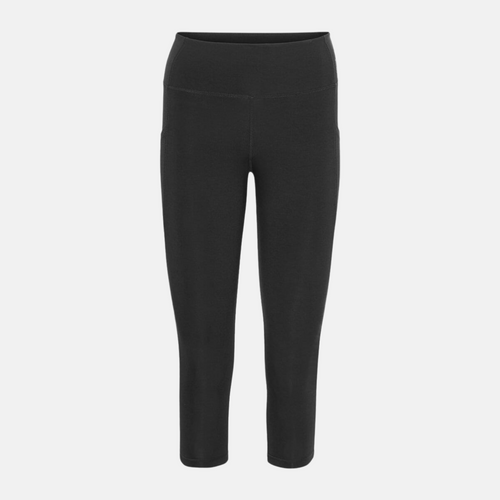
Skin that has been damp for hours loses strength in its outer layer. The same rubbing therefore does more harm than on dry skin. That is also why skin is often most tender after a long rainy day, even though the fabric is the same. See bamboo leggings for women.
The combination is the problem
It is rarely the fabric itself that causes trouble. It is the combination of moisture, movement and time. Remove one of the three and the risk of chafing drops noticeably. That is why a short walk in light rain rarely causes problems, while a whole day in clammy clothes can.
Why chafing appears in sweat and rain
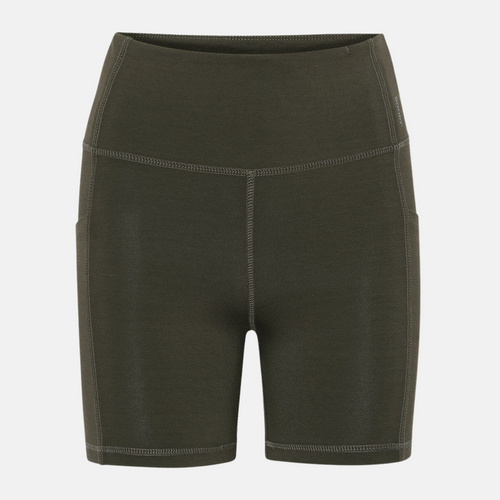
Sweat and rain lead to the same basic problem, moisture that stays between fabric and skin. The difference is that sweat keeps coming, while rain eventually stops. On long outings it is therefore often the sweat that does most. See bamboo training pants for women.
Where it happens most often
Chafing starts where two surfaces rub together and moisture gathers at the same time: inner thighs, armpits, under the bust and at waistbands. These places share folding skin and poor airflow. There is often a seam or an edge nearby as well.
Keep the layer against the skin dry
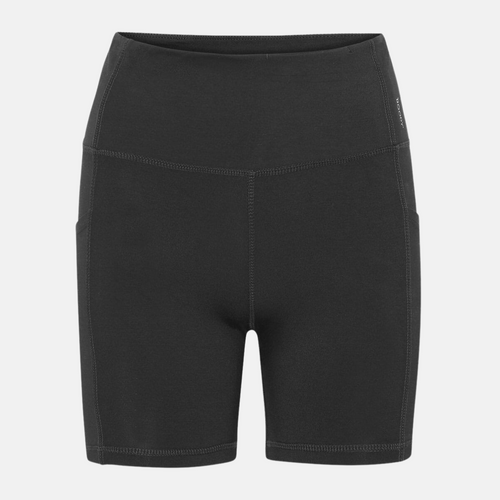
A fabric that dries quickly and does not turn clammy makes it easier to keep skin dry. Fit matters too: a little air is good, but clothes that are too loose can shift and create friction of their own. See also bamboo training clothes for women.
What helps on a long outing
Change into dry clothes when you can, wear a smooth layer against the skin and take breaks where the skin can dry. If you know a spot that tends to chafe, give it attention early. If the skin stays sore or cracked, talk to your doctor.
Fully wet or just clammy
Fully wet can actually glide slightly better than clammy, because there is enough water to lubricate. The half-damp, clammy stage is worst, since the film is thin enough to stick. The skin is still softened, though, and that does not go away just because the surface glides.
A wet bra strap
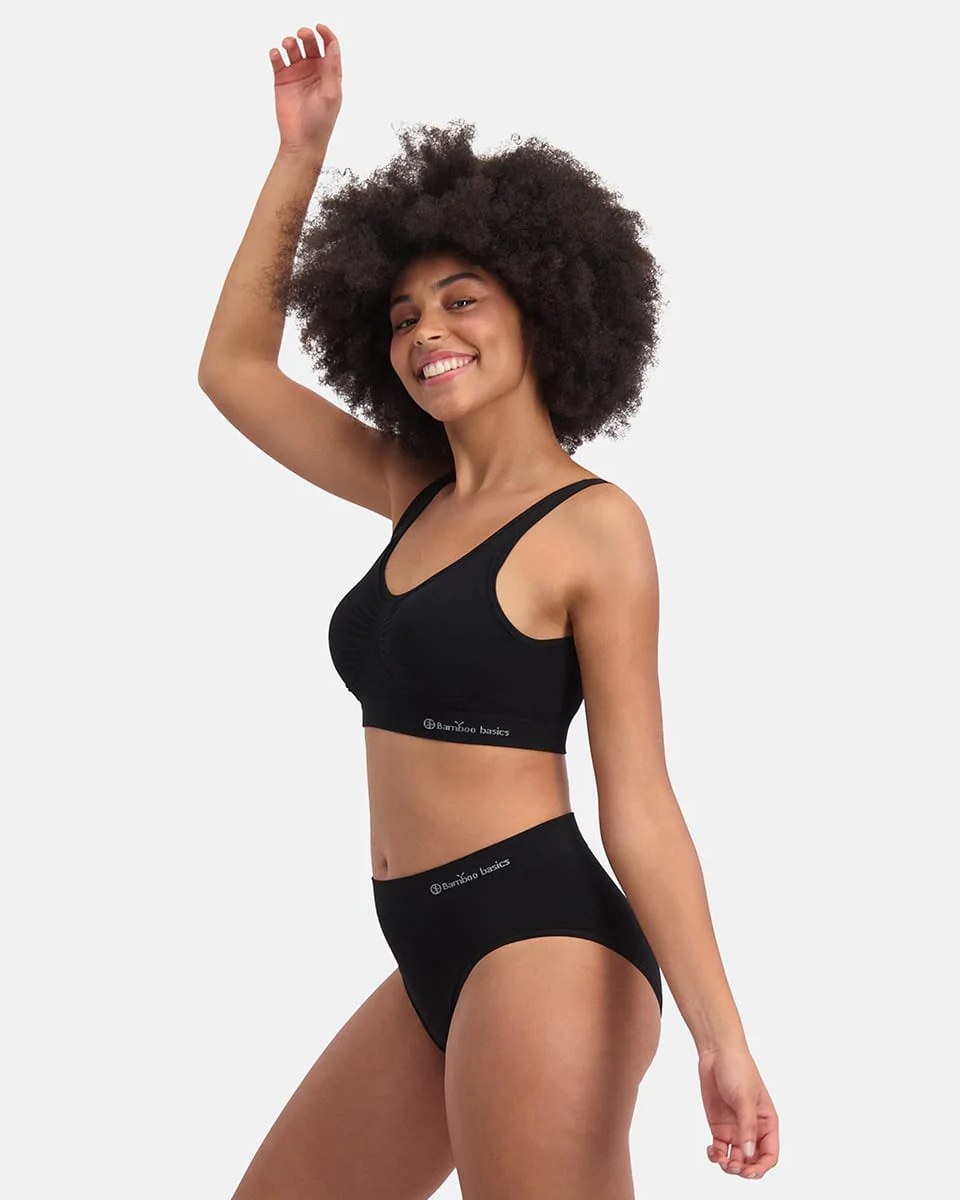
Straps and waistbands sit tight and move constantly. When they are also damp, the friction concentrates on a narrow strip of skin. That explains why a wet bra strap can chafe far more than the rest of the clothing, even though it is not harder. Adjust the tightness if you can.
After the outing
Change into dry clothes as soon as you can after a wet or sweaty outing, and let the skin dry completely. Wash the clothes after use so sweat and salt do not stay in the fabric. If the skin is red or sore, give it a break from whatever rubs.
Frequently asked questions
What helps on a long outing?
Change into dry clothes, wear a smooth layer against the skin and take breaks where the skin can dry. If the skin stays sore or cracked, talk to your doctor or pharmacist.
Is a lot of water better than a little?
Fully wet can glide slightly better than clammy, because the water lubricates. But the skin stays soft and vulnerable, so getting wet is not a way to avoid chafing on a long day.
Why does a wet bra strap chafe so much?
Because it is damp, tight and constantly moving. The friction concentrates on a narrow strip of skin, and the skin is softened by moisture, so the rubbing is felt quickly and keeps going.
You can find the full range at Bamboo-Clothing.com.