How to hand in old clothes for recycling
Short answer: Clothes do not belong in general waste. Items in good condition can be passed on, while worn out clothing goes to the textile collection offered by local councils. The key is to hand it in clean and dry.
Whole items first
If others can still wear the clothes, that is the best route. Charity shops, collection points and flea markets accept clean items without holes. You can also give clothes to friends and family or sell them online. The longer a garment is worn, the better.
Worn items in the textile collection
Even worn clothing belongs in the textile collection, not in general waste. Local councils have schemes for this, such as containers at the recycling centre or special bags for textiles. Check your council's website to see how to hand in textiles that can no longer be worn.
Wash first
Hand in clothes clean and dry. Wet or dirty clothing can spoil the rest of the collection, because moisture causes mould and odour that spreads to other textiles. Wash the clothes, let them dry fully and pack them in a closed bag before you drop them off.
Sort them
Very worn underwear and socks can be used as cloths at home before they are handed in. Put items that can still be worn in one bag, and those only fit for the textile collection in another. That makes the job easier for the people sorting them later.
Lifespan matters most
What makes the biggest difference is how many times a garment is worn before it has to go. A top worn for several years replaces many that only last a season. Read more about what affects lifespan in how long does bamboo clothing last.
Buy fewer, wear them more
A basic wardrobe with a few pieces you wear often is easier to look after and leaves less to hand in later. Choose pieces that go together and that you actually want to wear. See minimalist wardrobe for one way to build it.
Care extends use
Good care is one of the simplest ways to make clothes last longer. Wash at low temperatures, avoid the tumble dryer and turn garments inside out. Small holes and loose seams can often be fixed with needle and thread. See the washing guide for more advice.
What can be used as cloths
Worn towels and t-shirts make good cloths and last far longer than a disposable wipe. Cut them into suitable pieces and use them for cleaning, dusting and spills. When they are fully worn out, they can go to the textile collection. See bamboo towels when you need new ones.
Buy what lasts
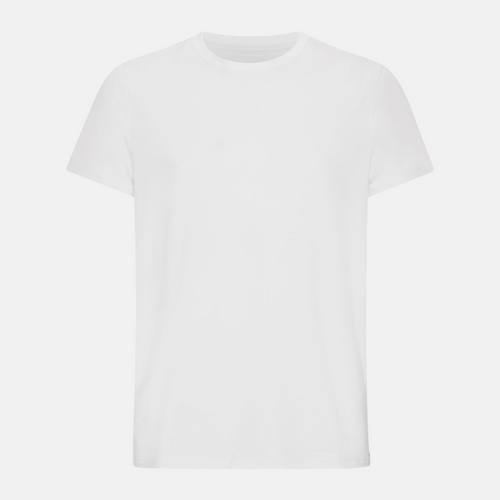
The longer a garment lasts, the less often it needs replacing. Look for dense fabrics, neat seams and a fit you are happy with. A basic t-shirt worn every week is a good place to start. See bamboo t-shirts for men for basics made for everyday wear.
What does not belong
Shoes, bags and blankets do not always belong in the regular textile collection. Some places accept them, others ask you to take them elsewhere. Check your council's rules before putting them in the container. That way they do not end up in the wrong place and have to be sorted out again.
Frequently asked questions
Can worn out clothing go in the textile bin?
Yes, most councils accept worn clothing in the textile collection. The main thing is that it is clean and dry. Check your council's rules if you are unsure.
Should clothes be washed before handing them in?
Yes. Wet or dirty clothing can spoil the rest of the collection, because moisture causes mould and odour. Wash the clothes, let them dry fully and pack them in a closed bag.
What should I do with old towels?
Use them as cloths at home for as long as they last. When they are completely worn, hand them in to the textile collection along with other worn clothing.
You can find the full range at Bamboo-Clothing.com.