Is Bamboo Clothing Sustainable? The Honest Guide to Bamboo Viscose and the Environment
Short answer: The plant is light on resources. The processing is not. Bamboo grows fast without irrigation and rarely needs pesticides, but the route from plant to soft fabric is a chemical process, and that is where the environmental account is settled. So certification and lifespan matter more than the raw material itself.
The plant is the easy part
Bamboo is a grass and one of the fastest growing plants there is. In the regions where it is grown it manages without irrigation and rarely needs pesticides. After harvest it regrows from the root, so the field does not have to be replanted. Compared with conventional cotton, one of the thirstiest crops in clothing, the raw material is therefore the easy part of the account. The problem sits further along the chain.
The processing is the hard part
The clothing you buy is almost always bamboo viscose. The bamboo is cooked into pulp, dissolved chemically and spun into fibres, and that process uses strong chemicals. How much it costs the environment depends entirely on the factory: whether the chemicals are captured and reused in a closed loop, and whether the wastewater is treated. You cannot see that in the fabric, which is why most claims on the subject fall apart here. There is also a variant, lyocell, where the solvent is milder and is reused.
What you can check
You cannot measure a factory from a product page, but you can look for certification. All our items are OEKO-TEX Standard 100 certified, which means the finished fabric has been tested for harmful substances. That says something about what goes against your skin, and that part is documented. The fabric composition is listed on every item under bamboo for women and bamboo for men, where you can see what the fabric actually consists of.
Lifespan weighs heaviest
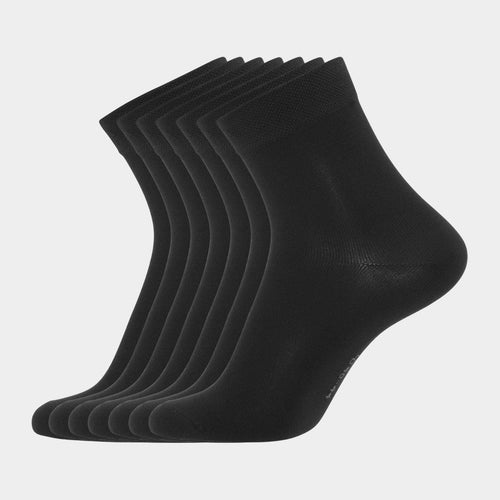
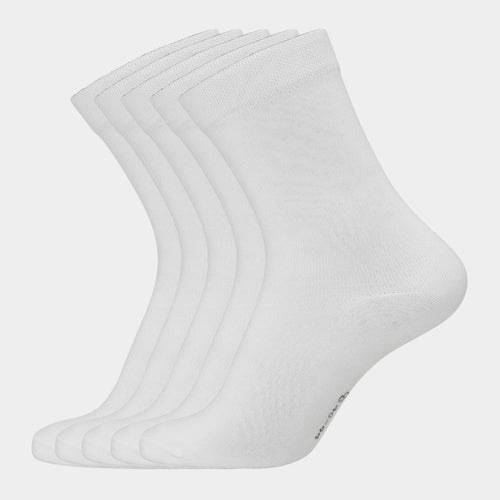
The single biggest lever is not which material you choose but how many times you wear it. A garment that lasts five years instead of one saves four purchases. That is why the washing routine matters more than the raw material: thirty degrees, mild detergent, no fabric softener and no high heat in the dryer. That goes especially for what is worn daily, such as bamboo underwear for women, bamboo underwear for men and bamboo socks for women.
Buy fewer and wear them longer
The short answer to whether a garment is light on the planet is how long it stays in the wardrobe. Buy what you are short of, not what occurs to you, and replace things when they are worn out rather than when the season turns. That applies to a basic such as bamboo t-shirt for women as well. If you are replacing something anyway, the reduced items sit under offers. See also bamboo and temperature regulation and guide to washing and caring for bamboo clothing.
Frequently asked questions
Is bamboo viscose a natural material
The raw material is natural, but the fibre is made chemically. It is called a regenerated cellulose fibre, like viscose from wood pulp.
What is the difference between bamboo viscose and lyocell
The solvent. In lyocell it is milder and is reused in a closed loop, while the viscose process uses harsher chemistry.
What does OEKO-TEX Standard 100 mean
That the finished fabric has been tested for harmful substances. It says something about the fabric against your skin, not about how the factory handles wastewater.
See our range of Copenhagen Bamboo.