Moisture wicking underwear in practice
Short answer: Moisture transport means that moisture is moved away from the skin and into the fabric, where it can evaporate. It is the property that decides whether underwear feels dry or clammy over a long day.
What happens
The fibre takes up moisture from the skin and passes it on into the fabric. The skin stays dry even when the fabric is not completely dry. From the fabric, the moisture slowly evaporates into the surrounding air. This path from skin to air is what is called moisture transport, and it goes on all day.
Cotton does not
Cotton soaks up moisture and stays wet against the skin. That is why cotton underwear turns cold and clammy when you stand still after moving about. Cotton is soft and durable, but it releases moisture slowly, and that is exactly what you notice in underwear.
Synthetics do it differently
Polyester and other synthetic fibres move water along the surface of the fibre rather than inside it. It dries quickly, but many people find that it smells sooner and feels less soft. Bamboo viscose absorbs moisture into the fibre itself and sits somewhere between cotton and synthetics.
Where it matters most
The property matters most in clothing that lies directly against the skin all day: underwear, socks and base layers. There is no air in between, and moisture needs somewhere to go. For men, briefs and boxers are in bamboo underwear for men.
The fit
Underwear needs to sit close enough for the fabric to touch the skin, or it cannot take up moisture. But it must not be so tight that it presses or chafes. The waistband should lie flat without digging in. The right size gives both comfort and good moisture transport.
Washing
Fabric softener coats the fibres and reduces exactly this property. Wash without softener at 40 degrees and let the underwear air dry. The tumble dryer wears the elastic. More advice on washing and caring for bamboo clothing is in the washing guide.
In everyday life
You notice the difference most on days with many changes between indoors and outdoors, on the bike, on the train and at work. Moving from cold to warm and back, it helps that moisture does not stay against the skin. The same goes for long travel days.
See also
Moisture transport is a term often used in clothing descriptions but rarely explained. If you want to know more about how it works in the fibres and how the materials differ, there is a longer explanation in moisture transport.
How many sets you need
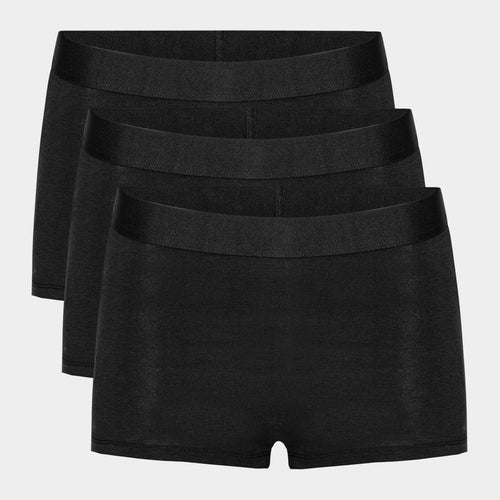
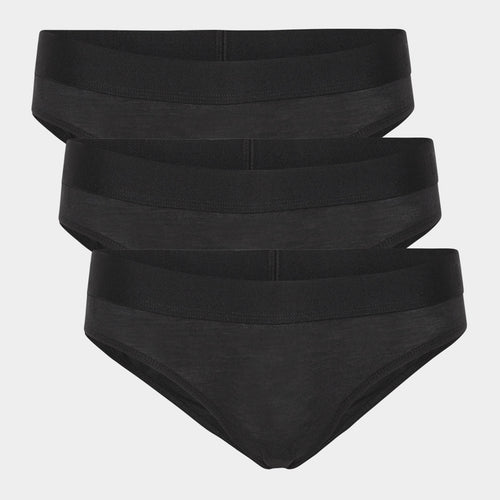
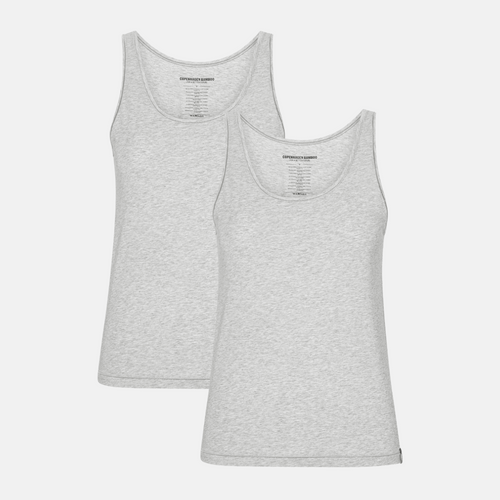
If you change underwear daily and wash once a week, you need seven sets. With fewer, you have to wash mid week, and the items wear faster. For women, briefs and tops are in bamboo underwear for women.
In short
Good everyday underwear moves moisture away from the skin and stays soft to wear all day. Choose the right size, wash without fabric softener and have enough sets for a whole week. That way your underwear lasts longer, and you notice sweat less during the day.
Frequently asked questions
What does moisture wicking mean?
That the fabric moves moisture away from the skin and into the fabric, where it can evaporate. The skin stays dry even though the fabric itself absorbs moisture.
Does cotton wick moisture?
Not very well. Cotton soaks up moisture and stays wet against the skin, which is why cotton underwear can feel cold and clammy when you stand still.
How do I keep the property?
Wash at 40 degrees without fabric softener, which coats the fibres. Let the underwear air dry, so the elastic also lasts longer.
See our range of Boody underwear.